Lifetime Citizen Portal Access — AI Briefings, Alerts & Unlimited Follows
Board flags wetlands, stream discharge and wastewater alternatives for Clinton project
Loading...
Summary
Planning Board consultants identified DEC‑jurisdictional wetlands tied to Crum Elbow Creek and an estimated 0.56 acres of potential disturbance; engineers described a wastewater treatment plant with a potential effluent discharge to the creek, and the board requested an alternatives analysis plus DEC/Health Department input.
The Town of Clinton Planning Board and its consultants flagged several wetlands‑and‑water quality questions during a Part 2 EAF review of a proposed development, asking the applicant to provide clearer wetland delineation and consider alternatives to a proposed discharge to Crum Elbow Creek.
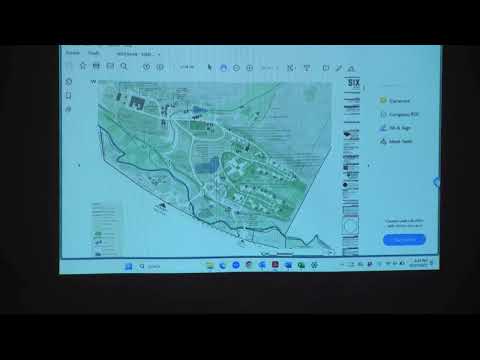
Planning staff summarized that the site contains several DEC‑jurisdictional wetlands associated with Crum Elbow Creek and that proposed work — including entrance and emergency access driveways, a wastewater treatment plant and two bridge crossings — could involve regulated wetland buffers. The applicant submitted an estimate of about 0.56 acres of wetland disturbance inclusive of the 100‑foot buffer; the board asked for confirmation of Wetland F’s boundaries.
An engineer for the project described a wastewater treatment plant and noted the applicant had obtained effluent discharge limits from the DEC for the proposed design. The engineer said a discharge option to the stream had been considered. Several board members and nearby residents questioned why subsurface disposal or other alternatives had not been fully evaluated before proposing any stream discharge; one attendee warned of past local system failures and operator errors.
Board members instructed the applicant to provide:
• A re‑delineation and clear mapping of Wetland F and any local wetland flags that affect the development footprint.
• An alternatives analysis describing why subsurface disposal, connection to off‑site systems, or other non‑discharge options were not feasible, and the regulatory pathway if stream discharge remains the proposed method.
• Documentation from the New York State Department of Health and DEC describing likely permitting constraints and effluent limits.
The board marked multiple Part 2 wetlands and water‑quality questions as potentially Moderate/Large to signal the need for detailed part‑three responses; no final permits or approvals were issued at the meeting.