Get Full Government Meeting Transcripts, Videos, & Alerts Forever!
Get email alerts on the Pupil Personnel Services topic
No spam. Unsubscribe anytime.
Port Jervis PPS reports jump in Medicaid billings, rising special-education graduation rate
Summary
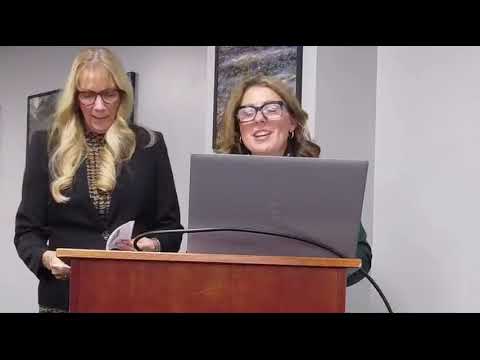
Assistant superintendent Tanya Duryea and Peggy Fitzgerald told the Port Jervis board that special-education graduation rates have climbed toward 80% and that efforts to collect parental consents and capture counseling reimbursement have significantly increased Medicaid billings for related services.
Port Jervis City School District’s Pupil Personnel Services leaders reported a multi-part update on special education, transition planning and Medicaid reimbursement that the board described as a positive sign of expanded services and stronger revenue capture.
Assistant Superintendent for Pupil Personnel Services Tanya Duryea and Peggy Fitzgerald said the district has strengthened its special-education continuum — adding resource programs at the middle and high school levels and planning consultant-teacher services — and emphasized the district’s use of multi-tiered systems of supports (MTSS) to identify students who may need special-education referral. The presenters said the district’s special-education graduation rate has increased substantially in recent years, moving from the low-50% range to nearly 80%.
On finances, PPS staff described a substantial rise in Medicaid claims submitted and collections compared with prior years. Presenters attributed most of the increase to a district effort to obtain initial parental consents, increased billing for counseling (which yields higher per-session reimbursement when billed as individual services), and administrative improvements that allowed the district to perform back-billing where appropriate. PPS said nursing services and students covered only by Section 504 plans are not automatically billable to Medicaid; only Medicaid-eligible students with an IEP may generate Medicaid reimbursement for covered services.
The board asked for and received clarifications about the retroactive billing window (PPS said typical look-back is about six months, depending on documentation and consent timing), and asked staff to provide a claims analysis for selected historical years to show per-service reimbursements. PPS also described partnerships to support student transitions to postsecondary life and work, including work-based learning sites in the community and a partnership with AccessVR for preemployment services and placement assistance.
What’s next: PPS will continue training and pilot programs tied to consultant-teacher services, provide the requested claims analysis to the board, and proceed with the ongoing indicator-13 audit on transition planning.