Get Full Government Meeting Transcripts, Videos, & Alerts Forever!
Get email alerts on the Public Participation topic
No spam. Unsubscribe anytime.
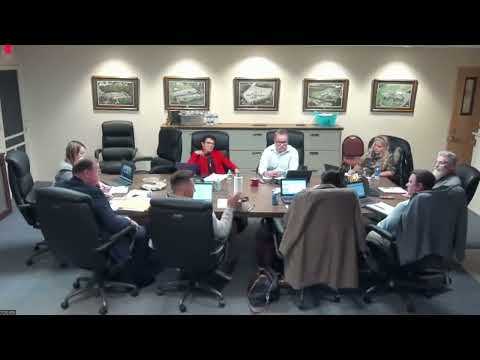
Ocean Township board debates ending virtual public comment, members call for research and compromise
Summary
Board chair proposed removing virtual public comment (keeping live streaming), citing inappropriate chat behavior and staff burden; several board members urged caution, proposed hiding Zoom chat or preserving raise‑hand options, and requested data on access implications before any policy change.
During a lengthy work‑session discussion, the board debated whether to continue allowing members of the public to submit comments virtually. The board chair proposed removing virtual public comment while maintaining live streaming and recordings, saying the move would reduce staff burden and curb inappropriate chat messages.
The chair framed the proposal as preserving public observation while removing typed or spoken virtual comments, saying the board would continue to post recordings and livestream meetings but would “remove an opportunity for individuals to chat and we would moderate that.” The chair also listed staff time and moderation responsibilities as a cost and urged the board to consider the change before the chair’s term ends.
Several board members pushed back. Some described virtual participation as a COVID‑era accommodation that improved accessibility and noted that hiding a Zoom chat might address concerns without eliminating remote comment. One member said the district once had more than 200 virtual attendees at a meeting and cautioned that removing virtual comment could cut off participation for people unable to attend in person at night.
Members proposed a range of alternatives: hiding the chat, retaining a virtual raise‑hand function, preserving livestreaming while limiting typed chat, and conducting further research on how peer districts handle remote comment. Multiple board members asked administrators to compile pros and cons and legal/policy precedents before the board considers a policy change.
No policy change or vote occurred at the work session. The board chair said the item was being raised for discussion and that any formal action would be brought back for public input and possible inclusion on a future regular meeting agenda.
The exchange highlighted a recurring governance tension: balancing staff workload and meeting decorum against public access and equitable participation. Board members asked for additional data, precedent, and legal guidance before making any binding decision.