Get Full Government Meeting Transcripts, Videos, & Alerts Forever!
Get email alerts on the Academic Operations topic
No spam. Unsubscribe anytime.
Board reviews attendance, behavior, budget carryover and SOL changes; approves comprehensive and strategic plans
Summary
Board heard data showing increased behavior incidents in some categories and high overall attendance, received a budget update including an $844,000 capital carryover estimate, discussed proposed SOL cut‑score increases at the state level, and approved the district's comprehensive and strategic plans.
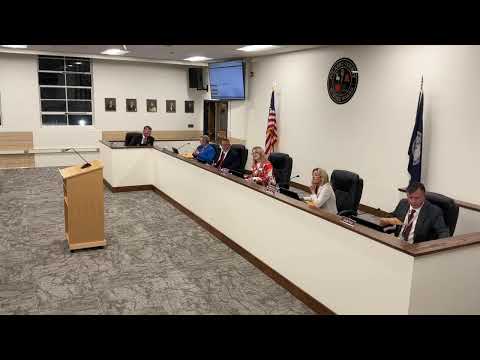
At its Oct. 14 meeting, the Pulaski County School Board reviewed a series of operational items including attendance and behavior data, a budget update, and state assessment changes — and approved its comprehensive and strategic plans.
Attendance and behavior: District staff reported a rise in disciplinary incidents in several categories compared with last year (staff cited a roughly 63% increase in certain behavior incident counts), with specific issues described as refusal to comply, reckless behavior with risk of injury, throwing objects and minor altercations. The district said those incidents were distributed across levels—some behavior categories were higher at elementary schools and others at the high school. At the same time, staff highlighted strong overall attendance percentages (above 94% in many areas) and a decrease in chronic absenteeism.
Budget and carryover: The district’s budget analyst said preliminary reconciliations show approximately $844,000.05 will carry forward into the capital fund, and that roughly $12,000,000 in county funds remains available for the fiscal year after accounting for scheduled debt service. Staff noted technology expenditures are high early in the year due to annual software subscriptions.
SOL cut scores: Staff briefed the board on pending changes proposed by the Virginia Department of Education to raise Standards of Learning (SOL) cut scores. The presentation described possible phase‑in models under consideration (4‑ or 5‑year options and other combinations) and noted a statewide VDOE vote was scheduled Oct. 24. Staff expressed support for higher expectations but cautioned that implementing new cut scores mid‑year could create misalignment between local benchmarks and state assessments and urged a phased approach.
Tutoring and intervention: Board members and staff discussed tutoring, night‑school options and how to target early elementary intervention to reduce later remediation needs. Staff said night school and in‑school tutoring continue where funding allows and said they are tracking use to count toward attendance where applicable.
Plan approvals and votes: The board voted to approve the district’s comprehensive plan (motion and second recorded; roll‑call affirmative votes recorded) and then approved the strategic plan (date updated to 2025–2026) by unanimous voice/roll call as recorded in the transcript.
Next steps: Staff will continue to monitor behavioral trends, pursue tutoring and intervention strategies, coordinate with VDOE on SOL implementation timelines, and implement adopted plans as presented.