Get Full Government Meeting Transcripts, Videos, & Alerts Forever!
Get email alerts on the Ceqa Workshop topic
No spam. Unsubscribe anytime.
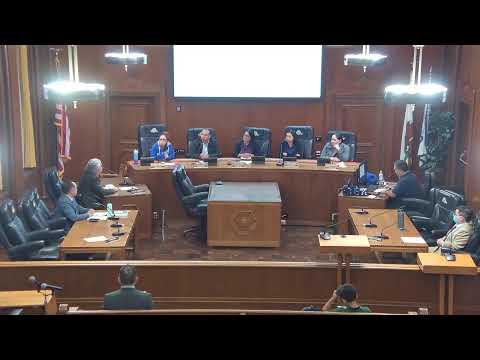
South Gate planning commission holds CEQA workshop; staff opens scoping on JB Hunt project
Summary
At its Nov. 4 meeting, the South Gate Planning Commission received a workshop on the California Environmental Quality Act (CEQA) that outlined recent state reforms (AB 130, SB 131), exemptions including Class 32 infill rules, and EIR procedures; staff said the JB Hunt NOP scoping comment period ends Nov. 20 and the commission voted to receive and file the presentation.
The South Gate Planning Commission on Nov. 4 received a staff-led workshop on the California Environmental Quality Act, focusing on recent state reforms and how the rules apply to local projects, including the recently issued Notice of Preparation for the JB Hunt project.
Associate Planner Joshua Valdez led the presentation, describing CEQA as the state’s environmental-review law that informs decision makers and the public about potential environmental effects of projects. Valdez highlighted June 2025 legislation, including Assembly Bill 130 and Senate Bill 131, which created new statutory exemptions and streamlining mechanisms aimed at expediting housing and infrastructure approvals for qualifying urban infill projects.
Valdez said the 2018 guideline updates and subsequent state policy shifts have changed how transportation impacts are measured, moving from levels of service (LOS) to vehicle miles traveled (VMT), and that procedural requirements now require filing Notices of Determination and Notices of Exemption with the county clerk and the state clearinghouse to improve transparency. "CEQA is intended to create a public process and inform decision makers and the public of the potential environmental effects of a proposed activity," Valdez said.
Why it matters: The reforms are intended to shorten permitting timelines for some housing and infrastructure projects, but local staff and counsel told commissioners these exemptions often still require technical studies—traffic, air quality, noise, biology or cultural resources—to demonstrate that impacts are less than significant under categorical exemptions such as Class 32 (infill) or statutory exemptions.
Staff noted local practice and applicant responsibilities. Planning staff said applicants pay consultant fees and a 25% administrative charge under the city fee schedule. "We have consultants working on MNDs right now" for residential projects, a staff member said. For the JB Hunt project staff confirmed the Notice of Preparation has been released; scoping comments were solicited and staff set the comment deadline as Nov. 20. Staff said notices were sent to property owners and residents within a 1,000-foot radius, and scoping comments will inform the scope of the EIR if one is prepared.
Commissioners asked how to participate without compromising impartiality. City counsel advised commissioners to act as impartial decision makers: they may attend scoping or outreach meetings for education but should avoid commenting in a way that signals support or opposition. Counsel outlined appeal paths and remedies: parties can appeal to the city council, and if council upholds a decision the next step for an aggrieved party is typically litigation.
The commission moved to "receive and file" the CEQA workshop; the chair seconded the motion and a roll-call vote recorded five "yes" votes, carrying the motion. Staff announced related administrative items including harassment-prevention training due Nov. 6 and upcoming commission meeting dates.
What’s next: Staff will collect NOP scoping comments for the JB Hunt project through Nov. 20 and, if an EIR is required, will manage the draft EIR preparation and public review phases per CEQA timelines.