Get Full Government Meeting Transcripts, Videos, & Alerts Forever!
Get email alerts on the Energy Land Use topic
No spam. Unsubscribe anytime.
Evergy pitches 500‑MW solar project in Osage County; residents urge moratorium be honored
Summary
Evergy representatives and local developers outlined a roughly 500‑megawatt, two‑phase solar project proposing about 2,000 acres of panels and an estimated $5 million in county tax revenue; public commenters were sharply divided, with opponents citing the county’s 25‑year moratorium, water, erosion and property‑value concerns and proponents pointing to jobs and stable tax dollars.
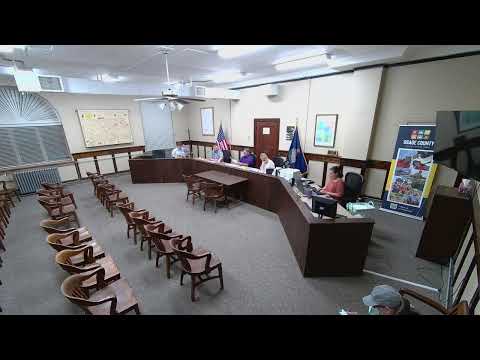
Evergy representatives and a local developer presented plans for a large‑scale solar power plant to the Osage County Commission and heard more than two hours of public comment Tuesday night from residents on both sides of the proposal.
The developer and Evergy described the project as a two‑phase, roughly 500‑megawatt installation that, as presented, would place about 2,000 acres of panels in the county and — if fully built — could produce roughly $5 million a year in tax revenue for local government and school districts. A company presenter said there were no current plans to include battery storage or wind turbines in this project and that construction could begin as early as 2027, subject to permitting and interconnection studies.
Why it matters: supporters say the project would inject long‑term, stable tax revenue into a county facing falling population and stressed infrastructure; opponents say the county’s existing 25‑year moratorium on industrial wind and solar should bar discussion and warned of damage to farmland, erosion, wildfire risk and higher electricity rates passed to customers.
‘‘Evergy is disrespecting our citizens,’’ Diane Denham told commissioners in public comment, alleging company leasing activity after the moratorium and that ratepayers ultimately pay for utility investments. ‘‘The county is not for sale,’’ she said. Several residents cited press coverage and public filings to argue that corporate profits would not translate into lower household electric bills.
Developers and utility representatives countered with safety and siting details and economic arguments. Local developer Joe Arnold, who identified himself as a sixth‑generation farmer and a developer with prior projects, said he and other local landowners initiated the project and that solar ‘‘can inject the kind of money into these communities to keep them alive.’’ An Evergy presenter emphasized working with state and federal wildlife and environmental agencies, described setbacks intended to keep residences out of the immediate project polygon and noted the company’s interconnection and permitting processes.
Residents raised a mix of technical and local concerns: possible long‑term soil disturbance and erosion from maintenance roads, impacts to local water supplies and hunting and tourism, susceptibility of panels to hail and storm damage, the adequacy of volunteer fire departments to respond to panel or battery fires, and whether promises of local hiring would materialize. Opponents also questioned why agricultural land would be used rather than lower‑value land.
Commissioners did not take formal action on the Evergy proposal. During a post‑presentation exchange one commissioner said they had ‘‘no intention of changing my position’’ on the moratorium; other commissioners said they wanted additional public discussion, regulatory information and working sessions before any policy change.
What’s next: commissioners suggested further public meetings or a working session to let industry experts and county staff answer outstanding questions. No vote to lift or change the moratorium occurred at the meeting.