Get Full Government Meeting Transcripts, Videos, & Alerts Forever!
Get email alerts on the Mail In Voting topic
No spam. Unsubscribe anytime.
Public testifies in large numbers: many oppose rollback of mail‑in voting while demanding audits and USPS records
Summary
Hundreds of public speakers filled the commission’s virtual meeting with competing views: many urged preserving mail‑in voting for accessibility and turnout, while a substantial group demanded transparency, independent audits and production of USPS business‑reply mail receipts to reconcile a reported 19,042‑ballot discrepancy.
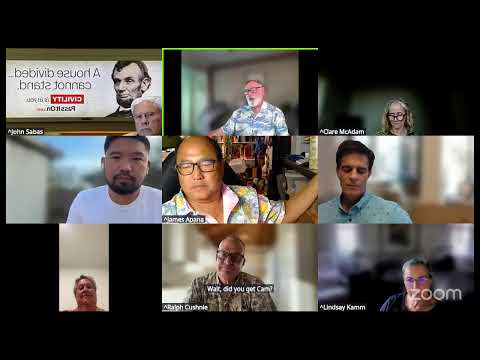
Public testimony dominated the Elections Commission’s Oct. 29 session, producing sustained, often emotional exchanges across more than 200 speakers who joined by phone and video.
Support for mail‑in voting: A steady stream of speakers — including longtime election observers, disability‑rights advocates, the League of Women Voters and Common Cause Hawaii — described mail‑in ballots as essential for seniors, voters with disabilities, caregivers, military and working families. Several speakers recounted personal experiences of relying on mail‑in ballots and said there is no credible evidence that the system has generated widespread fraud. “Mail‑in balloting is fantastic, and we should be making no efforts to do anything that restricts it,” one testifier said.
Calls for audits and records: Other speakers, including observers and members of permitted interaction groups, pressed the commission to obtain USPS business‑reply mail (BRM) receipts and county transfer manifests to explain apparent mismatches between county envelope counts and state certified totals. Testimony from Tara Malia Gregory and others cited county records showing a gap of 19,042 ballots on the Big Island that they said must be reconciled. Multiple testifiers urged the commission to seek an independent, statewide audit and to subpoena records if necessary (the deputy attorney general later cautioned that subpoena power requires an evidentiary hearing).
Tone and scope: The public record included sharply different views and some heated personal exchanges. Several veterans, election observers and civic‑association representatives urged a return to precinct‑based, in‑person voting; others condemned that proposal as voter suppression that would reduce turnout and harm rural and disabled voters. Commentators and commissioners repeatedly returned to questions of chain‑of‑custody, whether USPS billing receipts are reliable audit materials, and the limits of the commission’s legal authority.
Representative quotes: James Raymond, a retired deputy attorney general, said he spoke as a private citizen “in strong support of mail‑in voting.” Tara Malia Gregory cited UIPA records and asked, “Where did those 19,042 ballots come from?” Scott Nago, chief election officer, told the commission the Office had requested records from county clerks and that use of Zoom transcripts for verbatim minutes is a no‑cost option but not perfectly accurate for Hawaiian names.
Next steps: Commissioners voted to request an outside audit from the Legislature and to ask county clerks and the Office of Elections to produce records; staff were asked to republish attachments and to reconvene the meeting the following Wednesday to continue testimony and consider outstanding reports.