Get Full Government Meeting Transcripts, Videos, & Alerts Forever!
Get email alerts on the Fire Station Site Plan topic
No spam. Unsubscribe anytime.
East Clinton Fire District’s proposed 11,000‑sq‑ft firehouse draws historic‑preservation and screening concerns at planning board hearing
Summary
The Town of Clinton Planning Board opened a public hearing on a proposed East Clinton Fire District firehouse described by engineers as just over 11,000 sq ft and featuring roughly 65 parking spaces. Neighbors and the Clinton Historical Society pressed for clearer siting, lighting and screening plans and asked for SHPO archaeology findings; the hearing remains open and the board requested additional plans and a site staking before the next hearing.
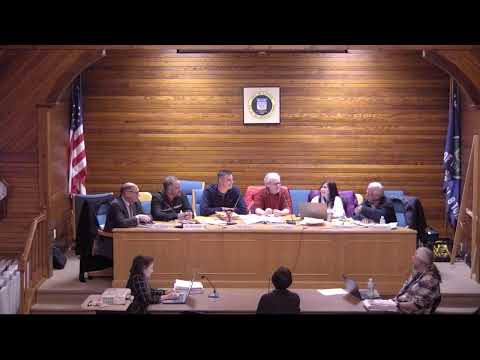
The Town of Clinton Planning Board on an evening meeting opened a public hearing on a site plan for a new East Clinton Fire District firehouse, hearing a presentation from engineers and a string of detailed questions and objections from neighbors and the Clinton Historical Society.
Joseph Berger of Berger Engineering and the project architect described a single‑story, steel‑framed building of "a little over 11,000 square feet" with five vehicle bays and associated offices and community spaces, a loop drive, stormwater infiltration basins and roughly 65 parking spaces (49 for routine use, with additional 19 places held in reserve). Berger said subsurface sewage disposal and infiltration systems are proposed and that the existing on‑site well and gravel conditions support the stormwater approach.
The proposal prompted sustained public comment focused on historic‑preservation, lighting, landscaping and construction staging. Cynthia Cook, president of the Clinton Historical Society, said she was concerned about impacts to the Creek Meeting House — an 18th‑century stone building on the National Register — and its surrounding cemetery, requesting a view of the meeting house on the submitted plans and tighter controls on lighting and screening to preserve the historic site’s setting. "I had asked before what plans there were to screen the facility from the Creek Meeting House," Cook said, urging the board to "investigate all possible aspects of possible harm to the appearance, the siting, and the operation of the activities in the Creek Meeting House." (Cook: SEG 1303–1339.)
Several nearby residents asked the applicant to show the meeting house and graveyard on plan sheets and to stake the four corners of the proposed building on the ground so neighbors can see the footprint in relation to existing features. Berger and the team agreed to add the Creek Meeting House and cemetery to the plan set and to stake the building roughly on site before the next hearing.
Representatives also described archaeological work undertaken for the project. The project team said they commissioned Hartshood/Hartskin Archaeology and have completed phase 1 and phase 2 fieldwork including ground‑penetrating radar and test pits; a draft report is with the State Historic Preservation Office (SHPO) and the applicant will provide the final SHPO submission and report to the board when available. The applicant identified the archaeologist as David Hartskin (SEG 1980–1982) and said SHPO is handling the formal review; the board pledged to post any SHPO response when received.
Fire district and project representatives stressed the station’s operational needs: better truck access, modern bays and long‑term service to the community. Fire district commissioner Russ Tompkins, a longtime resident and former active member, told the board the existing firehouse is inadequate for modern equipment and supported replacement (Tompkins: SEG 1546–1573). East Clinton Fire District vice chair Howard Shapiro said the district wants to be a "good neighbor" and will tailor landscaping and lighting to fit the hamlet’s character (Shapiro: SEG 1584–1619).
Board members and consultants pressed the applicant to clarify wetland buffer boundaries, contractor staging areas, the location and screening of parking adjacent to neighbors, exterior lighting specs and the timing of SHPO findings. The applicant said lighting will be dark‑sky compliant with very low spill (no more than five foot‑candles at source, reduced on the plan), that the infiltration test results were strong in field tests and that staging and contractor parking remain under review for the next submission.
The board voted to open the public hearing and, after public comment, agreed to leave the hearing open to allow the applicant to revise plans. The board requested: plan sheets showing the Creek Meeting House and cemetery relationship to the new building, an updated landscaping and screening plan (evergreen buffers were proposed), the SHPO/archaeology report when available, and approximate staking of the building on site. The board and applicant discussed returning on Dec. 17 and the applicant committed to providing revised materials ahead of that meeting.
What’s next: the public comment period remains open; the applicant will provide revised plans showing the historic resources and proposed screening, submit the SHPO/archaeological report when finalized, and stake the building so board members and neighbors can observe the footprint before the continued hearing on or around Dec. 17.
Sources: Presentation and public comments at the Planning Board meeting, including project presentation by Joseph Berger and the architect, public statements from Cynthia Cook and other nearby residents, and project team comments on archaeology and stormwater (transcript segments referenced in provenance).