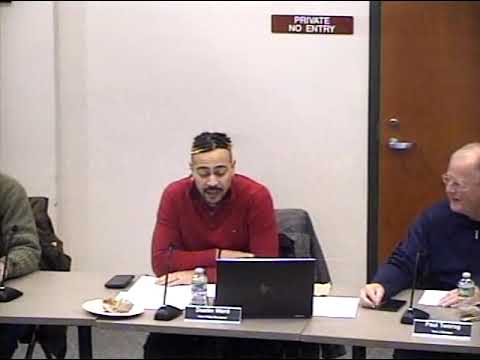
Cumberland County finance panel hears sheriff on rising cruiser costs, staffing shortfalls and a proposed in-house computer-forensics role
Loading...
Summary
Sheriff Kevin Joyce told the Finance Committee that rising vehicle prices and contracted services are pushing the Sheriff—s Office budget higher and proposed funding a half-year computer-forensics investigator by reducing one vehicle from the rotation; commissioners pressed for timing, alternatives and revenue offsets.
Sheriff Kevin Joyce told the Cumberland County Finance Committee that the Sheriff—s Office budget will rise this year as vehicle prices, a union wage increase and new benefit costs take effect, and he urged the committee to fund a half-year criminal-forensics investigator to reduce extremely long wait times at outside labs.
Joyce said the department originally budgeted $45,000 per patrol vehicle but that recent dealer quotes push the realistic figure closer to $48,00090$50,000, and that absorption of those costs could add roughly $40,00045,000 per vehicle to the current plan. County Manager Jim Gailey told the committee those vehicle adjustments would increase the sheriff—s office request by about $711,000, raising the office—s year-over-year increase from about 8.2% to roughly 8.7% and nudging the countywide increase toward 5%.
"We're probably gonna be shy of that," Gailey said in previewing the vehicle quotes, and the sheriff later emphasized lead times: "About a year and a half," Joyce said when asked how long it takes a cruiser to go from order to frontline service.
To address a growing need for digital evidence processing, Joyce proposed converting one vehicle from the planned rotation to fund a half-year criminal-investigator position (approximately $53,000 for six months) that would be trained and equipped through a Secret Service program. "I still need, in my opinion, the forensic investigator for half a year," Joyce said, describing long waits at regional labs and a mix of cases90missing-persons, geofencing work in theft investigations, identity/financial crimes and other investigations90that increasingly depend on phone and computer data.
Joyce told the committee that having an in-house capability would shorten evidence turnaround and reduce reliance on outside favors. He said the Secret Service has offered training and equipment under a program that would require reciprocal assistance to neighboring agencies.
Committee members pressed for alternatives and timing. Commissioner concerns centered on whether the position could be staffed by reassigning an existing officer or whether it required a new CID position; Joyce said converting an existing post would take someone off patrol and create coverage gaps, so he planned a new position starting half-year into the budget with a view to full funding the following year.
Members also questioned the county manager and finance staff about other line items tied to jail operations, including vehicle repairs and inmate medical costs. Finance staff explained that contract special services in the corrections budget largely reflect inmate medical and nursing contracts and that some prior-year spikes were one-time items or reallocated to different accounts.
On jail operations, Joyce reported current in-custody counts around the low- to mid-200s (capacity about 570), roughly 4,000 annual bookings, a transport unit handling nearly 1,000 transports a year, and active programming such as medication-assisted treatment for people in custody. He said the jail carries vacancies and that county leaders have frozen a set of previously budgeted but unlikely-to-fill positions; the sheriff characterized the immediate hiring target as 23 budgeted positions while noting a larger number of total openings exist but are unfunded.
Revenue and staffing were tied repeatedly in committee discussion. Joyce and the county manager said federal or out-of-county housing can produce revenue if staffing levels permit; Joyce said he had an inquiry from ICE about adding detainees but cautioned the committee not to rely on unconfirmed placements. Finance staff noted the county can only raise property taxes within statutory limits and needs to consider revenue offsets and multi-department tradeoffs.
The committee asked staff to return with options that could offset vehicle and personnel costs before the final wrap-up session scheduled for Feb. 20. The meeting adjourned after scheduling follow-up and giving staff latitude to explore potential offsets and partnerships.
The only formal committee action recorded in the transcript was approval of the Jan. 16 minutes by voice vote earlier in the meeting; no budget votes were taken at this session.
What happens next: Finance staff and the sheriff—s office will refine the vehicle-cost figures, explore funding offsets, and present a game plan for the Feb. 20 wrap-up meeting. Speakers urged caution about relying on unconfirmed federal inmate revenue and emphasized the committee—s preference to avoid late changes after the finance committee process.