Get Full Government Meeting Transcripts, Videos, & Alerts Forever!
Get email alerts on the Accountability And Special Education topic
No spam. Unsubscribe anytime.
Parents and advocates press Board of Education on accountability, English learners and special education
Summary
Dozens of public commenters urged the Board of Education to refine its new school accountability reporting and to address persistent special‑education failures; speakers included higher‑education, parent and advocacy representatives and members of the SEAC.
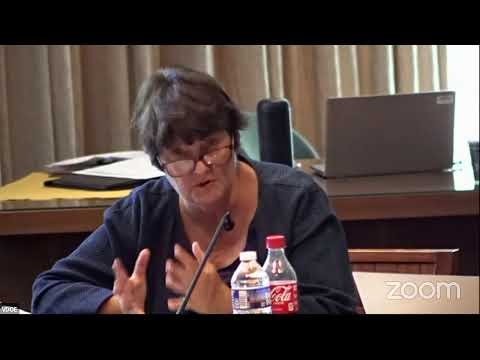
The Virginia Board of Education spent a sustained portion of its meeting hearing public comment on the new school performance and support framework and on systemic problems in special education.
Speakers expressed contrasting views. Scott Fleming, director of the State Council of Higher Education for Virginia, urged higher expectations and highlighted rising remedial course enrollment in public higher education. Parents and advocates delivered more critical testimony: some said the new accountability framework finally increases transparency and will bring more English learners into accountability, while others warned it risks labeling schools as failing and disproportionately harming students with disabilities.
Several parents and disability advocates delivered emotional testimony about Individualized Education Program (IEP) implementation and due‑process delays, alleging local districts and the department had failed to follow court or hearing‑officer decisions in particular cases. One commenter said VDOE is under federal civil‑rights investigation; VDOE staff acknowledged ongoing federal activity and described staffing and compliance efforts but did not concede systemic wrongdoing in the meeting.
Board members repeatedly asked staff how SEAC recommendations and public complaints would be translated into actionable steps, with requests for improved data access (including annual complaint summaries) and for a future board work session to clarify the board’s authority and possible interventions. VDOE staff said some recommendations are already underway, pointed to grants and planned technical assistance, and offered to provide modeling and rollout timelines for the new accountability system.
Several public commenters also raised concerns about religiously exempt childcare inspections and the potential reach of early‑childhood initiatives; other speakers urged that VDOE make the Virginia IEP materials and newly developed literacy screening tools more accessible to higher‑education faculty and local practitioners.
The board accepted the range of public comments for the record and asked staff to follow up on several requests, including more detailed data for local divisions and a possible future work session on the board’s role in enforcing FAPE (free and appropriate public education).