Get Full Government Meeting Transcripts, Videos, & Alerts Forever!
Get email alerts on the Code Enforcement topic
No spam. Unsubscribe anytime.
Winchester commission outlines neighborhood task force to address recurring code and service complaints
Summary
Commissioners agreed to form a resident-centered task force to hold neighborhood meetings, prioritize recurring code-enforcement problems (weeds, large-item pickup, accessibility) and recommend updates to outdated ordinances; members' names are due by the second week in September.
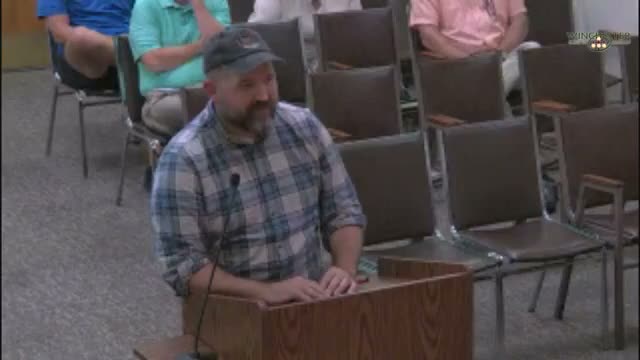
Speaker 1 on the commission opened a work-session discussion about frequent resident calls and invited the commission to form a task force to take those concerns into neighborhoods and report back.
The task force would be a small, neighborhood-focused group. "Has 4 or 5 people that are basically this is the task force and then they would lead open discussions in several different areas of the community," Speaker 3 said, describing meetings at libraries, churches and neighborhood sites so local residents can set priorities rather than the commission identifying individual properties.
Commissioners and staff described several functions for the task force: identify the top recurring issues that generate code-enforcement calls (Speakers suggested compiling a top-10 or top-15 list), explain what the city can and cannot enforce, invite subject-matter experts (building officials, nonprofits) for focused meetings (for example, on wheelchair ramps or handicap accessibility), and coordinate outreach with city departments. Multiple speakers recommended recruiting primarily residents who live in the neighborhood where a meeting is held and engaging landlord associations and nonprofits where relevant.
Speakers discussed outreach strategies to boost attendance. Speaker 3 proposed inserting flyers in utility bills (water and electric) so residents learn about upcoming meetings and how to request large-item pickup. The group also discussed clarifying existing service rules: Speaker 3 said a prior ordinance anticipated large-item collection on garbage day by a claw truck as part of the service agreement; Speaker 6 described a practice in which belongings placed in public areas after evictions may remain on site for a set period (about 72 hours) so owners can retrieve them.
The commission asked for a concrete next step. Speaker 1 requested a list of proposed task-force members and asked that names be delivered "by our second week in September" for review so the commission could formally begin the effort. Speaker 2 agreed to follow up.
The discussion to form the task force is a direction to staff and commissioners to recruit members and schedule neighborhood meetings; no formal ordinance or regulatory change was adopted during the session. Staff and commissioners repeatedly emphasized the limits of the task force: it is intended to gather resident priorities and recommend actions, not to exercise regulatory powers over property aesthetics or to unilaterally change code without formal action by the commission.