Get Full Government Meeting Transcripts, Videos, & Alerts Forever!
Get email alerts on the Ethics Campaign Finance topic
No spam. Unsubscribe anytime.
Senate advances bill clarifying ban on soliciting campaign contributions from government email; critics warn of 'gotcha' risks
Summary
The Senate voted to advance House Bill 160, clarifying that soliciting campaign contributions from a government email account is prohibited at any time; sponsors said it codifies existing practice, while some senators warned the lack of an intent requirement could criminalize inadvertent errors.
The Utah Senate took up and advanced House Bill 160, a bill clarifying that using a government email account to solicit campaign contributions is prohibited. Sponsors said the change simply codifies an existing expectation; some senators said the language as written could be problematic.
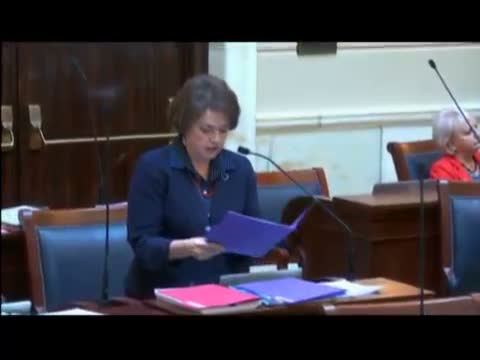
Senator Dayton described the bill as a clarification: "This bill ... prohibits a person from using their email, their government email for campaign solicitations," he said on the floor. Dayton said the measure applies to subdivisions and elected officials and is intended to remove ambiguity about the rule.
Several senators asked how the statute would treat inadvertent transmissions or technical defaults in email clients. One senator raised the possibility that default settings in Exchange or Outlook might cause an address to appear as a government account without intent. Senator Thatcher urged caution and said criminal intent matters: "We should not be criminalizing mistakes. We should be criminalizing decisions," he said, explaining he would oppose the bill unless intent were required in the statute.
Sponsor and supporters said the bill was prompted by counsel's recommendation and that it makes an existing rule explicit; they also noted internal training and instruction could reduce accidental violations. The Senate recorded the measure's third-reading tally on the day of debate; the bill received 20 yeas, 5 nays and 4 absent on the record.
Next steps: the bill will continue through the legislative process; supporters indicated they would clarify implementation guidance and internal instructions to address inadvertent transmissions.