Get Full Government Meeting Transcripts, Videos, & Alerts Forever!
Get email alerts on the Cannabinoid Research topic
No spam. Unsubscribe anytime.
Senate advances bill to authorize IRB-approved cannabinoid research, not legalization
Summary
The Utah Senate passed a measure to authorize and structure state-level cannabinoid research, creating a board to review IRB-approved studies and report findings to the Legislature; supporters say it opens research opportunities while opponents warned it could delay access for patients. The bill passed third reading 27–1.
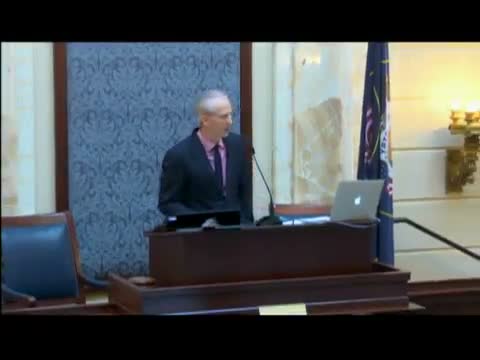
The Utah Senate on the floor advanced a bill to authorize structured research into cannabinoids, creating a board to review Institutional Review Board-approved studies and to make recommendations to lawmakers.
Senator Vickers, sponsor of the second substitute of House Bill 130, said the measure does not change what is legal in the state but instead "opens a door for study to take place" and would allow qualified research at Utah institutions. "This opens the opportunity for additional qualified research in the state of Utah," Vickers told colleagues, stressing that the bill focuses on research and not on immediate policy changes.
Opponents pressed that the measure could function as a delay for patients seeking access. "This is simply a delaying tactic for them," Senator DeBackus said, arguing that many constituents want access now and that substantial studies already exist. Others pressed on technical questions about study scope, patient inclusion and whether the state would require special funding or federal approvals.
Supporters responded that the bill limits research to studies that meet federal IRB standards and would not permit anecdotal evidence or unvetted foreign studies as the basis for recommendations. Senator Andrigh noted the distinction that the bill would create a pathway to associate the term 'medical' with cannabinoids only after rigorous study; "I for 1 support the bill," the senator said during debate.
The bill includes provisions to put researchers and physicians on the proposed board and contemplates coordination with existing advisory committees. Senate debate acknowledged federal constraints — including cannabis's Schedule I status — and the sponsors said the legislation was designed to work within those constraints to attract grant funding and allow Utah-based investigation.
Second substitute House Bill 130 as amended was read for a third time and recorded as passing the Senate by a roll-call tally of 27 yay, 1 nay and 1 absent. The bill will be enrolled and transmitted according to Senate procedure.
The next procedural step is enrollment and transmittal to the House for its consideration or concurrence, consistent with standard legislative processing.