Get Full Government Meeting Transcripts, Videos, & Alerts Forever!
Get email alerts on the Utility Demand Response topic
No spam. Unsubscribe anytime.
Senate rejects bill making 'Cool Keeper' demand-response opt-out default for consumers
Summary
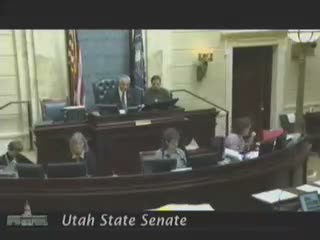
Senate defeated First Substitute SB47, a measure that would have automatically enrolled customers in a utility demand-response thermostat program with opt-out, after extended debate on consumer choice and an unsuccessfully proposed surcharge for opt-outs.
The Utah Senate defeated First Substitute Senate Bill 47, an electrical utility amendment that would have expanded a demand-response program (referred to in debate as 'Cool Keeper') by enrolling customers by default and allowing them to opt out. The measure failed in final floor votes; the transcript records a failure on first substitution (13 yeas, 16 nays) and a subsequent tally that left the measure defeated and filed.
Sponsor Senator Van Tassel described the program as a tool to reduce peak electricity demand by allowing utilities to make short (15–30 minute) thermostat adjustments, usually less than one degree, in exchange for participation benefits. He said the measure would opt customers in and permit opt-out. Supporters argued it would help manage peaks and avoid costly capacity expansion; opponents raised concerns about automatic enrollment, consumer consent, and fairness in cost distribution.
Senator Valentine offered an amendment to allow the Public Service Commission to impose a surcharge on customers who opt out so those who decline would not receive a “free ride.” The amendment failed after floor debate. Opponents of the bill and the amendment contended that automatic enrollment shifts the burden to consumers who may miss notices or lack clear opt-out instructions. Supporters argued broad participation is needed for the program to achieve its demand-management benefits and that participants typically receive small seasonal bill credits.
Floor discussion included questions about whether municipal electric utilities and rural cooperatives fall under the bill’s definition and concern that the lack of an opt-in requirement could produce high participation rates by default rather than deliberate customer choice. The sponsor and several supporters said they had negotiated many provisions in committee and emphasized opt-out availability and consumer education.
The bill did not pass; the first-substitute vote failed (13–16) and subsequent proceedings recorded the substitute as failing 12–17 and the measure filed. The transcript records the detailed debate, the failed amendment on a surcharge for opt-outs, and multiple senators' explanations for their votes.