Get Full Government Meeting Transcripts, Videos, & Alerts Forever!
Get email alerts on the Budget topic
No spam. Unsubscribe anytime.
Kalamazoo County previews a balanced FY26 budget with roughly $4.9 million to allocate
Summary
Administrator Dr. Catlin presented a FY26 budget preview showing general fund revenue of about $97.1 million and expenditures of $93.5 million, leaving roughly $2 million for operating and, with other adjustments, about $4.9 million total available for operating and capital requests. Commissioners probed vacancies, fringe costs and prioritized law enforcement, fleet and housing projects.
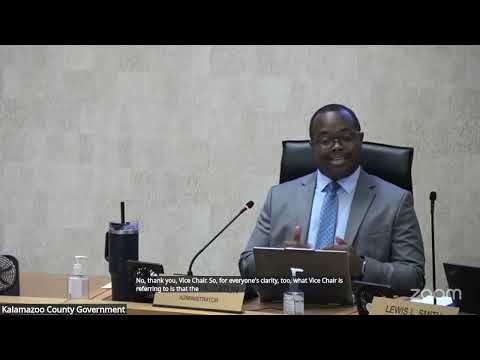
Kalamazoo County Administrator Dr. Catlin on Sept. 2 delivered a preview of the recommended fiscal 2026 operating budget and the board’s available dollars for new requests.
Catlin told commissioners the general fund revenue forecast sits at roughly $97.1 million while general fund expenditures are about $93.5 million, leaving just over $2 million for new operating requests. The administrator also said the county increased projected dividend income by $1.5 million—earmarked to address capital needs—bringing total discretionary funding for operating and capital to about $4.9 million.
Why it matters: The preview establishes the starting point for commission decisions that will shape hiring, law enforcement budgets, capital improvements and one-time projects. Catlin framed the budget as balanced but cautioned that federal and state funding reductions remain a risk.
Major allocations proposed in the presentation included: staffing and operating requests in the public safety bucket (animal services staffing, court clerk positions and a range of sheriff’s office increases including jail medical expense and two technology analyst positions); law enforcement fund activity (roughly $18 million revenue vs. $17 million expenditures, leaving about $721,000 for new law‑enforcement requests); a $297,000 capital request for the Eighth District Court’s on‑base docket system; and a range of employee‑focused investments (IT administrative assistant, HR performance specialist, reclassifications and training). Catlin said position requests in the packet include fringe benefits and startup costs.
On vacancies and overtime: Commissioners pressed administrators on the sizable vacancy assumptions embedded in the $93.5 million expenditures. Catlin confirmed the expenditure total includes approximately $4.5 million of vacancy savings and said departments have prepared job descriptions and evaluation steps so positions could start early in the calendar year if approved, helping to avoid the common mid‑year hiring lag. Commissioners also urged the county to budget overtime where appropriate so departments are not reliant on keeping positions unfilled to manage overtime.
Fleet and central stores: Deputy Administrator Cole described fleet funding needs and drivers: law enforcement vehicle replacement (~$400,000 annually) plus enterprise lease costs (~$450,000). He said a $1 million annual allocation into the central stores/fleet fund is a reasonable long‑term target because of vehicle replacements, accidents and enterprise leasing program ramp up; commissioners asked for regular fleet‑program reporting and analysis, especially on leasing vs. purchase decisions for specialized equipment such as plow‑capable trucks.
Community and capital priorities: Catlin highlighted a proposed increase of $1.24 million in a BNG capital account, plus $260,000 for parks and the expo center, and proposed using a cautious 25% fund balance (the county’s “golden ratio”) approach when planning one‑time spending. He said the county will present a CIP recommendation at the Sept. 16 meeting.
Next steps: The budget book will go live Sept. 16, with additional discussions Oct. 7 (public hearing likely) and a targeted approval on Oct. 21, enabling payroll and HR changes to take effect Jan. 1, 2026. Catlin warned that one chamber of the state legislature has proposed steep revenue sharing reductions; staff said they will model scenarios for the board at coming meetings.
Speakers quoted in this account are identified in the meeting record and cited where they appeared in the board packet and discussion. The budget remains a discussion item; final allocations and any vote will follow later hearings and the formal adoption process.
Ending: The administrator and commissioners agreed to refine priorities and asked staff to return with more detail at the Sept. 16 meeting, including CIP recommendations and any options that change with shifts in state revenue assumptions.