Get Full Government Meeting Transcripts, Videos, & Alerts Forever!
Get email alerts on the Consumer Travel Credits topic
No spam. Unsubscribe anytime.
Committee hears bill to prevent airline electronic travel credits from expiring
Summary
Senate Bill 553 would prevent electronic travel credits from expiring, treat the credit's value as belonging to its possessor (not the issuer), and allow transferrable redemption; the bill was presented as a constituent measure and committee members queried enforceability and scope, including an optional $1 per ticket fee for human‑trafficking prevention.
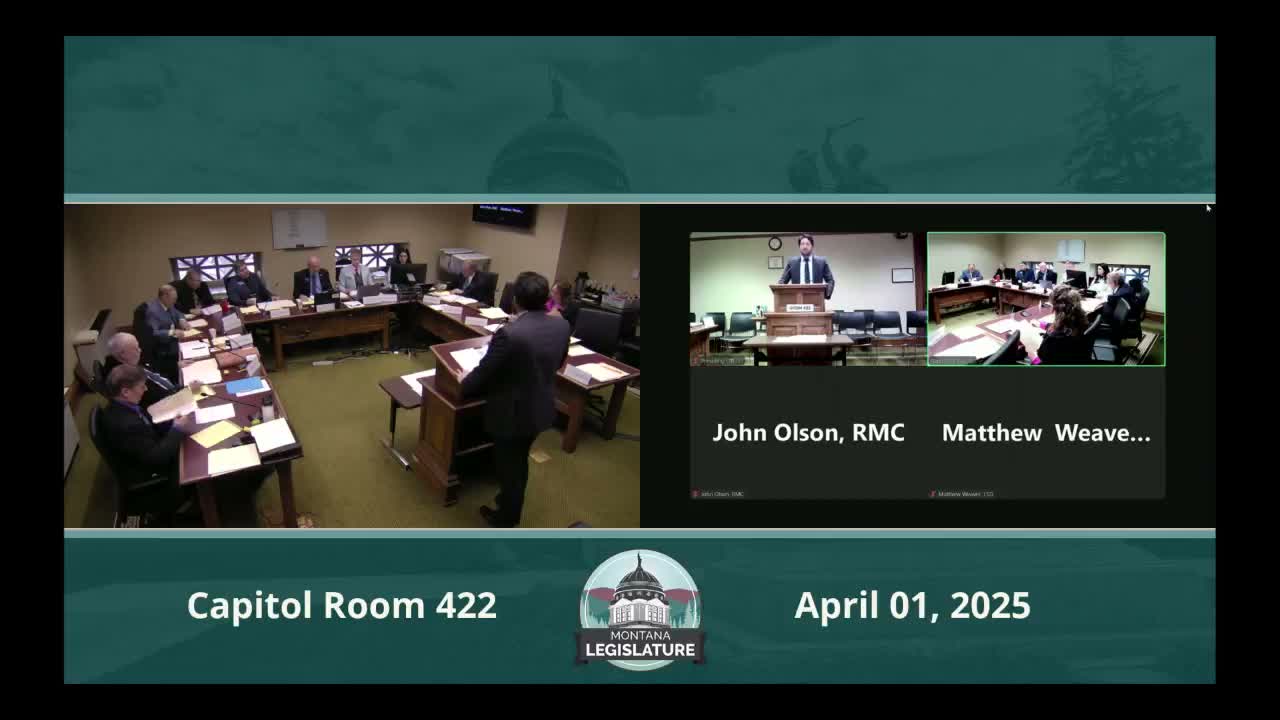
The Senate Business and Labor Committee heard Senate Bill 553, a constituent bill that would make electronic travel credits non‑expiring and treat the represented value as owned by the possessor rather than the issuer.
Sponsor Senator Daniel Zolnicoff described common consumer problems with low‑cost economy fares: customers who receive e‑credits after cancellations often must use them within a year and sometimes struggle to redeem or extend them. "The heart of the bill is your e credit expires in a year... this bill... says, e credits do not expire," the sponsor said.
The bill would allow travel credits to remain valid until redemption and states that the "value represented by the travel credit belongs to the possessor, not the issuer." It also permits redemption by a holder whose name does not match the name on the credit, a change the sponsor likened to treating credits like gift cards. The sponsor said an added $1 fee per airline ticket could be dedicated to anti‑human trafficking efforts, although he acknowledged that fee might be removed later in the House.
Committee members raised enforcement and scope questions: whether the bill would reach credit‑card rewards and frequent‑flyer miles (the sponsor said it was not intended to), how airlines might respond and whether airlines or airports had been consulted, and the practical application of a statutory carve‑out mirroring the Montana gift‑card rule that leaves remaining values under $5 treated differently. A bill drafter explained the $5 reference derives from existing gift‑card statute language.
The sponsor closed by emphasizing the bill’s consumer fairness aim and noting it was a constituent request; the committee closed the hearing without a recorded vote in the transcript.
What happens next: The committee may schedule the bill for executive action; if it advances, amendments could change the proposed fee or clarify scope.