Get Full Government Meeting Transcripts, Videos, & Alerts Forever!
Get email alerts on the Online Gambling Fantasy Sports topic
No spam. Unsubscribe anytime.
Montana Senate committee hears competing views on bill to legalize online fantasy sports
Summary
Senate Bill 551 would license and tax online fantasy sports platforms, give the Department of Justice rulemaking authority, set a $5,000 initial license fee and an 18+ age limit, and is opposed by Montana gaming and tavern groups who say it effectively legalizes online sports wagering and could harm in‑state businesses. The DOJ provided a fiscal estimate of roughly $2 million in start‑up costs and about $27,000 in early annual revenue.
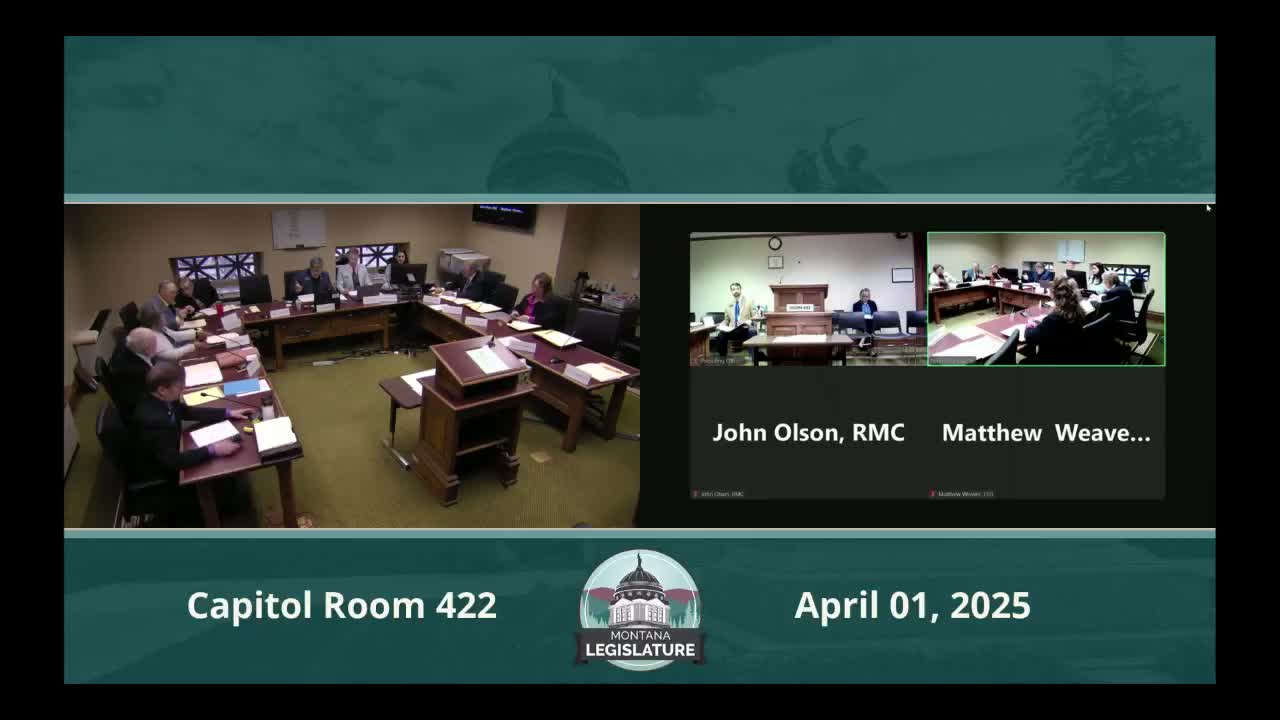
Senators on the Montana Senate Business and Labor Committee heard sharply divided testimony on Senate Bill 551, a measure that would allow online fantasy‑sports participation in Montana and set a licensing and tax framework for vendors.
Sponsor Senator Forrest Mandeville said the bill treats fantasy sports as a "game of skill" rather than gambling and pointed senators to statutory definitions in the draft. He described features including a requirement that prize values be "established and made known in advance," an initial license fee of $5,000, an 18‑year age minimum, and rulemaking authority for the Department of Justice to determine eligibility, licensing, investigations, fines and revocations.
Opponents urged caution. Shauna Helfert of the Gaming Industry Association said the bill goes beyond fantasy sports and "launches all sports betting online," creating direct competition with Montana casinos and the state lottery. Helfert warned of consumer harms tied to online access, enforcement challenges for offshore operators, and lower proposed tax rates for online platforms than for some in‑state gaming. John Iverson of the Montana Tavern Association raised integrity and confidentiality concerns and cited examples from other states in which regulatory and enforcement problems emerged.
An informational witness from the Department of Justice, Jason Johnson, told the committee the fiscal note estimates about $2,000,000 in one‑time expense to add new license and tax account types to the state's Gentax system and projected early annual revenues of roughly $27,000 (based on an Iowa comparison adjusted for population). Johnson said the fiscal note was under review at the governor's budget office.
Committee questions focused on enforcement of out‑of‑state and offshore platforms, the practical meaning of statutory phrases such as "reasonable methods," how adjusted revenue would be calculated for taxes, age‑verification measures, and whether regulated in‑state platforms would reduce scams. Opponents said normalization of online gambling increases exposure and could be difficult to police; the sponsor and some senators countered that licensing and state oversight would afford protections and tax revenue.
The hearing closed without a committee vote recorded in the transcript. No amendments or formal actions were taken during the session covered by the record.
What happens next: The committee closed the hearing and will decide whether to schedule executive action at a later date. If the bill advances, further committee work could amend tax rates, confidentiality provisions or enforcement language.