
UN warns cash-flow limits could force activity withholding; reporters press on unpaid assessments and UNIFIL future
Get AI-powered insights, summaries, and transcripts
Subscribe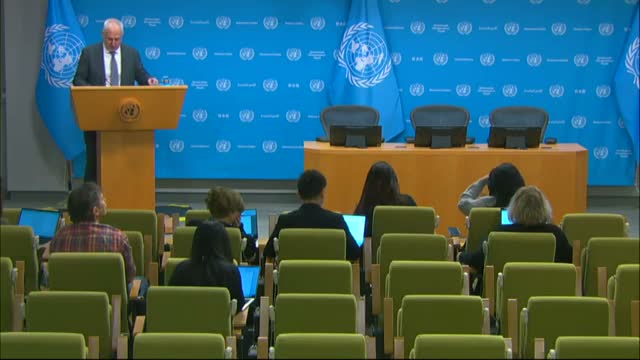
Summary
Reporters asked whether arrears and a reported 1% spending cut will affect UN operations; the spokesperson warned cash-flow constraints "will limit our ability" to spend and confirmed troop reductions and planning are underway for peacekeeping presences such as UNIFIL.
During the briefing's question-and-answer period, journalists pressed the UN spokesperson on the secretary-general's comments about spending and a potential 1% reduction tied to arrears. Asked whether the 1% cuts were different from previously forecast measures and whether any member states had paid arrears, the spokesperson said, "the cash the issue of cash flow will limit, our ability, obviously, to spend money, which will require some, some withholding of our activities." When asked directly whether the United States had paid into the regular budget, the spokesperson answered, "No."
Reporters also raised whether China, the United States and Russia had indicated they would make payments in the coming weeks; the spokesperson said there was not much indication but that the UN hopes for member-state contributions. On UNIFIL and other peacekeeping presences, the spokesperson said reductions of troops are already occurring "due to the budget cuts" and that senior UN officials visited Lebanon to assess what the UN presence would look like after the Security Council's resolution spelled out next steps; detailed plans were not yet available.
On the Golan Heights and UNDOF, the spokesperson emphasized the UN "operate[s] in the Golan Heights under a mandate given to us by the Security Council" and said any change to that mandate would have to come from the Council. The spokesperson reiterated the secretary-general's strong support for maintaining UN presences where authorized.
Why it matters: unpaid assessments and cash-flow constraints can have immediate operational consequences for the UN's humanitarian and peacekeeping activities. The spokesperson's confirmation that troop reductions are occurring and that some activities may be withheld underscores near-term risks to ongoing missions and aid delivery.