Get Full Government Meeting Transcripts, Videos, & Alerts Forever!
Get email alerts on the Subdivision Tax Prepayment topic
No spam. Unsubscribe anytime.
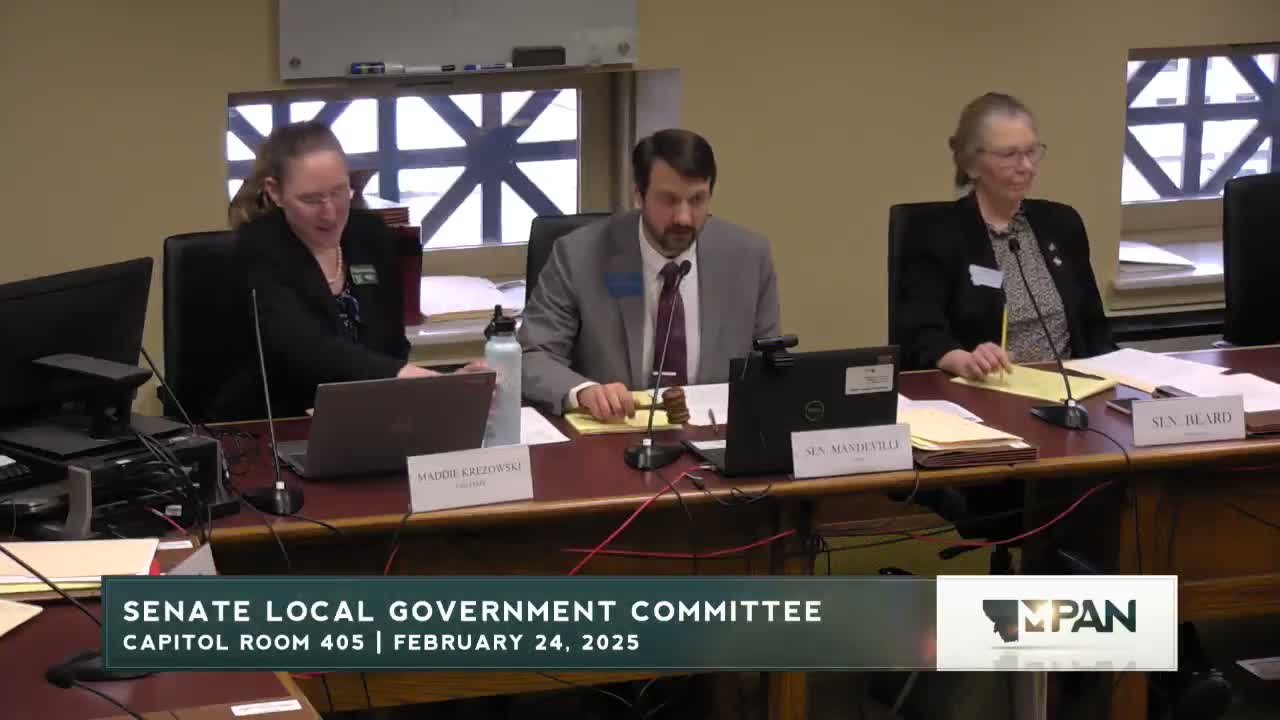
Committee hears bill offering temporary tax prepayment to ease subdivision carrying costs
Summary
SB 337 would let developers apply for a temporary property‑tax exemption during subdivision development if they prepay five years of current taxes; sponsors said the measure lowers carrying costs and protects local revenue while opponents did not appear. Committee sought fiscal note.
Senate Bill 337, presented to the Senate Local Government Committee, would create a temporary property‑tax exemption for land undergoing subdivision development if the developer submits a timely application and a five‑year prepayment of the existing tax liability.
Sponsor Senator Greg Hertz said the provision would help developers by reducing carrying costs while ensuring local governments receive revenue via the prepayment, which would be split among taxing jurisdictions. Under the draft, the exemption would end for a subdivision once 95 percent of lots have habitable homes and would require a timely application and up‑front prepayment within 30 days of exemption approval.
Proponents — including representatives of the building industry and the Montana Association of Realtors — described the bill as a balanced tool to encourage housing development while preserving local tax revenues. The Montana Building Industry Association called the prepayment mechanism a “win” for local governments and developers, and the Realtors also supported the idea.
Committee members asked administrative questions about how the prepayment would be calculated and whether the Department of Revenue or county treasurers would need additional staff; the Property Assessment Division said a fiscal note and a request for up to one half FTE (ramping to a full FTE in a later biennium) were expected. The sponsor said the dollar savings for a given project depend entirely on the property’s current classification and market value; agricultural valuations converted to residential subdivision lots can produce large tax increases that the prepayment mechanism would smooth.
The bill drew no organized opponents in committee testimony, and informational staff were available to answer technical questions. Committee members left the matter for further work and requested fiscal/drafting follow‑up before taking final action.
Status: Hearing held; committee did not take a final vote and asked for supplemental fiscal information and drafting work.