Get Full Government Meeting Transcripts, Videos, & Alerts Forever!
Get email alerts on the Impact Fees Inflation Index topic
No spam. Unsubscribe anytime.
Committee adopts amendment swapping CPI for producer-price index in impact-fee bill
Summary
Senate Bill 133 was amended to use a producer price index by commodity (an input-cost measure) rather than the consumer price index to adjust certain impact fees; supporters said the change better reflects construction costs while opponents warned it could undercut needed infrastructure funding.
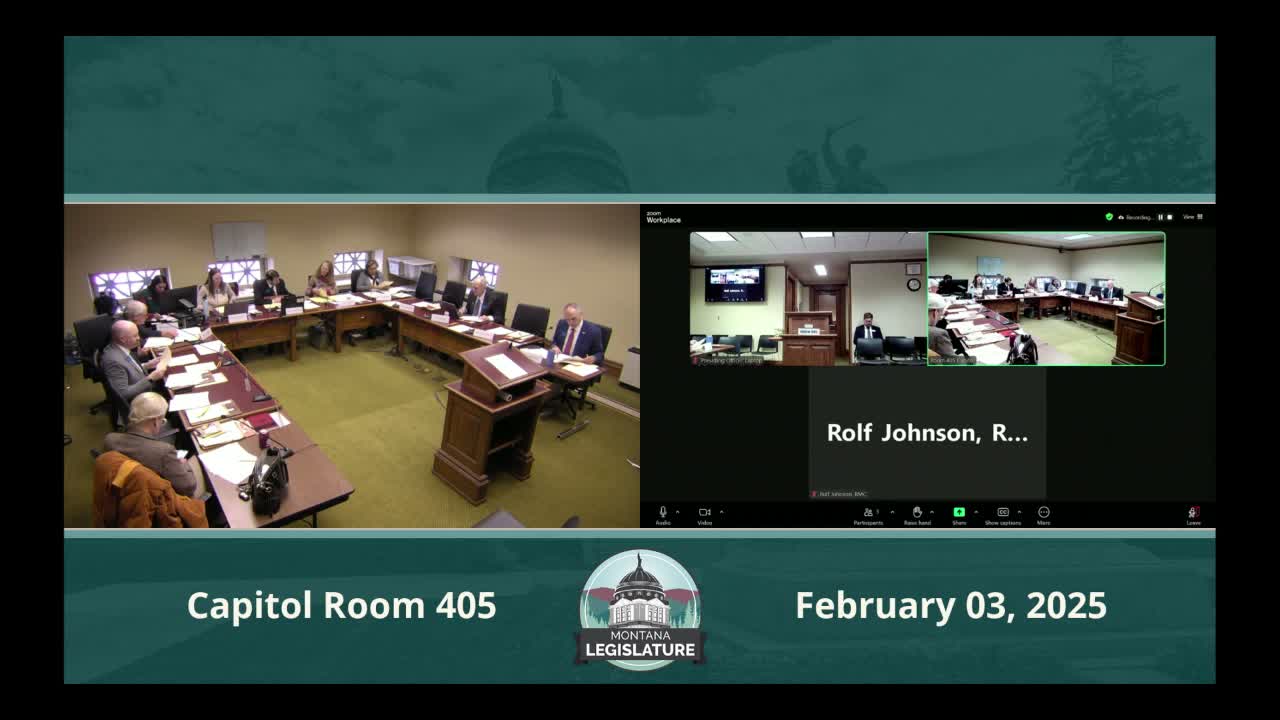
The Senate Local Government Committee passed Senate Bill 133 as amended after adopting an amendment that replaces a consumer price index reference with a producer price index by commodity to adjust certain impact fees.
Senator Hertz, who moved the amendment, said the producer price index better reflects input costs for construction and materials than the consumer price index. "This amendment's pretty simple… the producer price index is basically input cost," he said, summarizing testimony that raised concerns about inflation’s effect on building costs.
Opponents warned that capping or limiting how impact fees rise could shift costs to existing residents or leave municipalities unable to fund heavy infrastructure such as wastewater treatment and underground utilities. Senator Pope described growth pressures in communities like Bozeman and Belgrade and said protecting local infrastructure funding is crucial.
The bill’s sponsor noted SB133 came from the housing task force and that the measure does not eliminate impact fees; rather, it creates predictable indexing to help developers and local governments plan. The committee held a roll-call vote and approved SB133 as amended, 7 ayes to 4 nays.
Next steps: SB133 will move forward in the legislative process after committee passage.