Get Full Government Meeting Transcripts, Videos, & Alerts Forever!
Get email alerts on the Homicide Procedures topic
No spam. Unsubscribe anytime.
Committee backs stiffer penalties for tampering with human remains in homicide cases
Summary
House Bill 44 would raise penalties for tampering with or fabricating physical evidence in connection with a homicide when such acts prevent a coroner or medical examiner from determining cause or manner of death; prosecutors and law‑enforcement supported the change as a tailored tool for violent‑death investigations.
Representative Denise Baum presented House Bill 44 as a targeted response to cases where suspects take extraordinary steps—dismembering, burning or otherwise destroying remains—to prevent determination of cause or manner of death. "Adding the language that this bill proposes ... would provide a sense of justice and closure for those families," Baum said, outlining an example investigation in which evidence destruction prevented a deliberate‑homicide charge.
Ed Zink, Chief Criminal Deputy for the Yellowstone County Attorney's Office, and law‑enforcement witnesses described the investigative and emotional toll when remains are desecrated or destroyed, and urged the committee to provide prosecutors with a stronger tailored penalty. Dan Smith (MPPA) and Kevin Wade (Montana Sheriffs and Peace Officers Association) also supported the proposal.
Committee members asked how prosecutors and judges would distinguish between varying degrees of culpability — for example, between a deliberate effort to conceal a homicide and a noncriminal, misguided act of disposal. Witnesses, including Zink and Representative Baum, said sentencing would remain case‑specific and that the bill's "not to exceed 40 years" language preserves prosecutorial and judicial discretion.
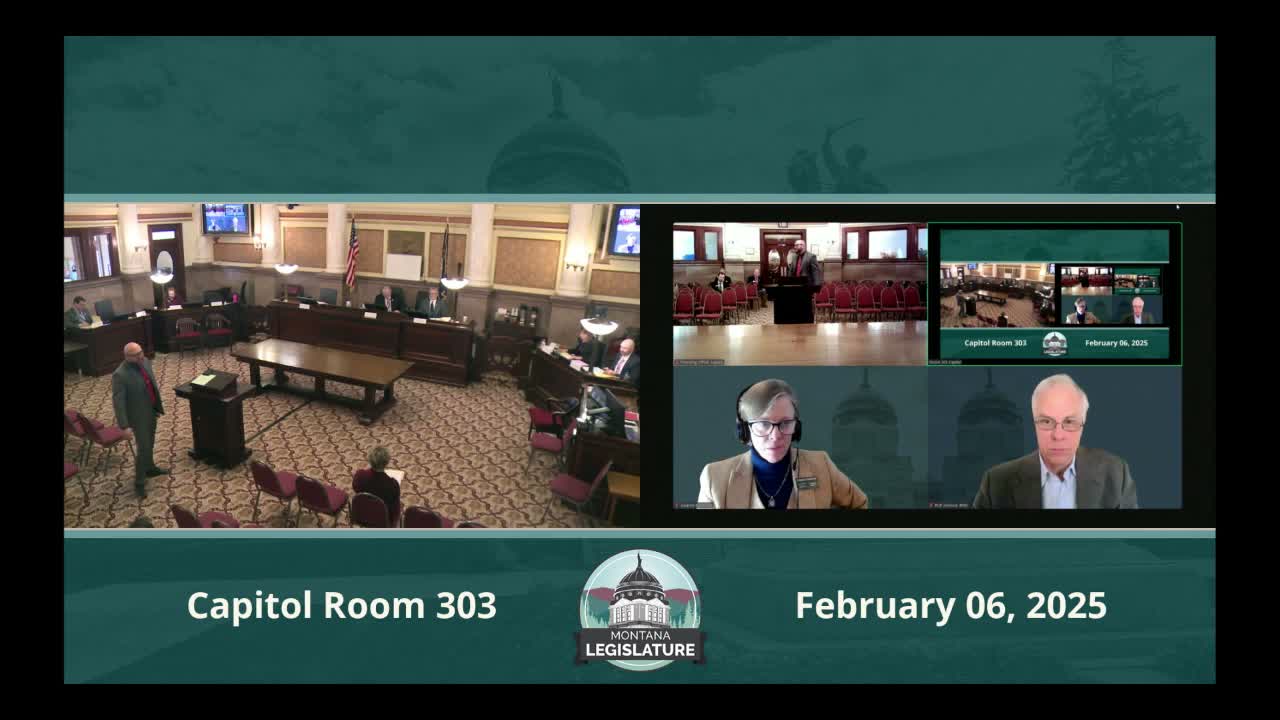
The committee took executive action to concur in House Bill 44. Senator Ricky moved the concurrence and the committee approved the motion on a voice vote; Senator Amherich was recorded as a dissenting 'nay.' Senator Newman volunteered to carry the bill forward.
The sponsor said the bill is meant to be fair and allow discretion while ensuring accountability in the most extreme cases of concealment that frustrate homicide investigations.