Get Full Government Meeting Transcripts, Videos, & Alerts Forever!
Get email alerts on the Active Transportation topic
No spam. Unsubscribe anytime.
BPAC backs bike-lane alternative for downtown US 53/1461 after review of surveys and designs
Summary
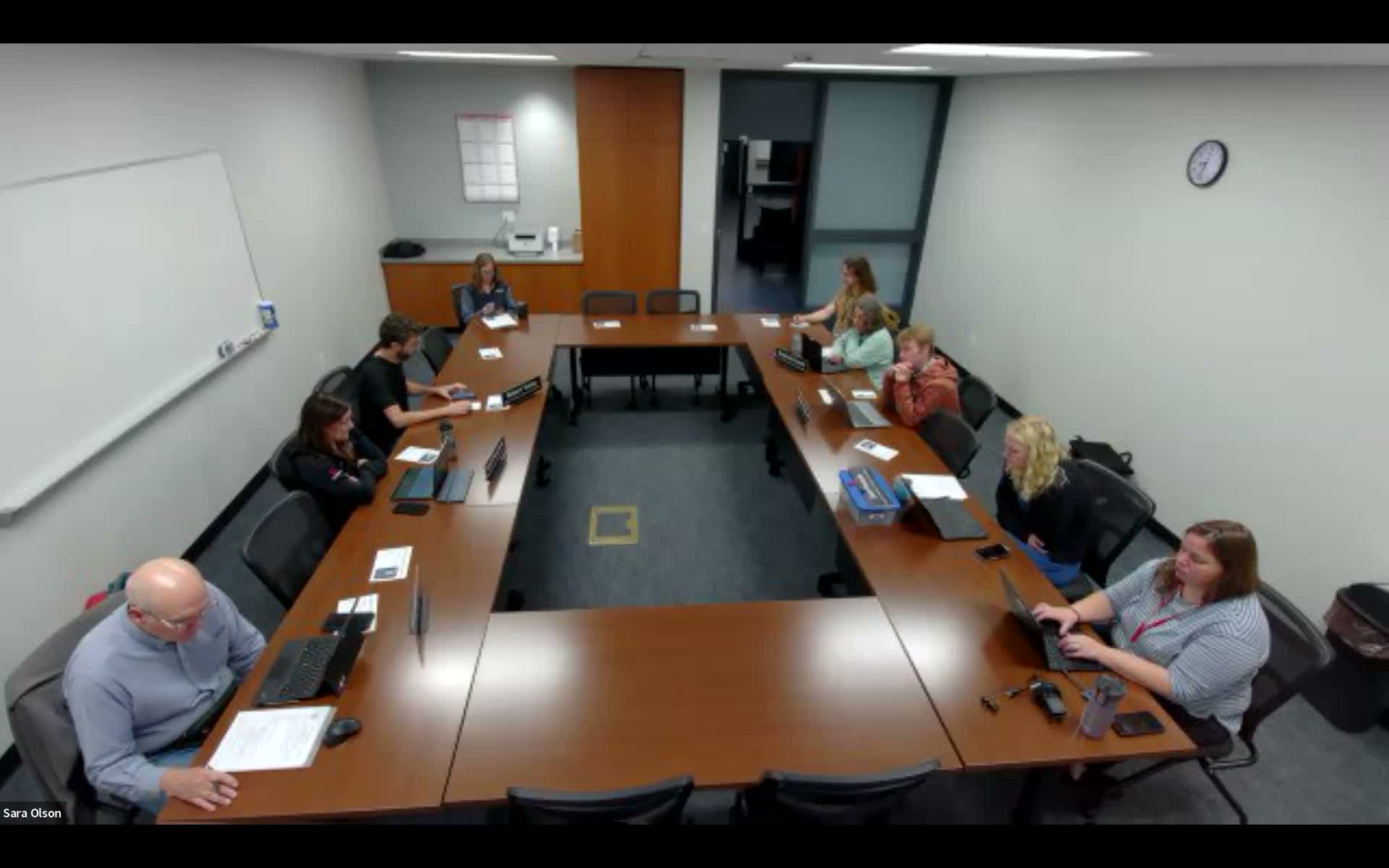
After a presentation from WisDOT on four design alternatives for Third and Fourth streets, the Bicycle and Pedestrian Advisory Committee signaled unanimous support among those present for the option that adds separated bike lanes (alternative 1) and retains widened sidewalks in parts of the corridor.
Michael Richardson, project manager with the Wisconsin Department of Transportation'(WisDOT) Southwest Region, told the Bicycle and Pedestrian Advisory Committee on Oct. 14 that the US 53/1461 corridor study covers roughly 4.3 miles from State 35 to I-90 and includes safety, multimodal and infrastructure upgrades with a focus on the downtown King Street to La Crosse Street segment.
Richardson described four alternatives for Third and Fourth streets, including street-level and sidewalk-level bike lanes and options that would retain parking or remove it from one side. He summarized outreach results: the technical advisory responses in the downtown block favored alternative 1; the community advisory committee and general public responses were more dispersed; and a targeted business-owner survey (120 respondents; 108 answered the downtown section) overwhelmingly favored alternative 2, which preserves parking and widens sidewalks.
Richardson said WisDOT'staff recommended removing alternatives labeled 1a and 2a from further consideration and presented alternative 1 (right-side, parking-separated bike lanes with widened sidewalks) versus alternative 2 (maintain parking and expand sidewalks) as the main choices for the committee.
Committee member Andrew said pedestrian comfort was his primary concern: "I think probably the most important part of this project is expanding sidewalk space," he said, adding that sidewalks need physical separation from traffic to feel safe when buses and semis use the corridor.
Richardson and other members clarified planned cross-section dimensions, describing 7- to 8-foot sidewalks with 3- to 6-foot paved terraces that would locate poles and planters away from the curb. Staff also noted the project has been routed through the committee for people with disabilities and will proceed to Board of Public Works and Common Council for later review.
After questions about transitions north and south of downtown, retrofitability and winter maintenance, BPAC members present indicated a clear preference for alternative 1 in a show-of-hands vote. The chair recorded that those present voted unanimously in favor of alternative 1; two members were excused from the meeting.
Next steps: staff will forward BPAC's recommendation to subsequent review bodies and WisDOT will bring remaining corridor segments (including the shared-use path north of the river) back to BPAC for further presentation and comment.