Get Full Government Meeting Transcripts, Videos, & Alerts Forever!
Get email alerts on the Tort Apportionment topic
No spam. Unsubscribe anytime.
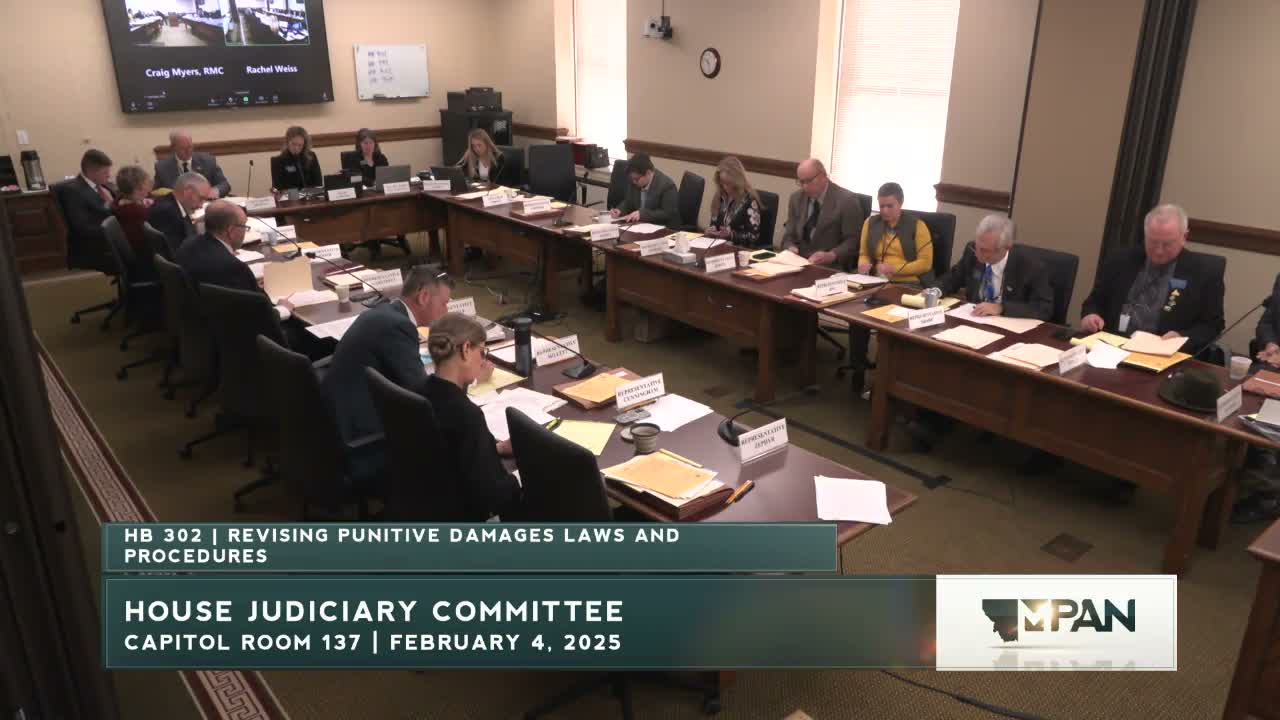
Judiciary takes up apportionment changes; insurers and trial lawyers spar over 'empty‑chair' defense
Summary
House Bill 303 clarifies apportionment law so defendants can argue that a non‑party was the sole cause of injury without that defense being treated as apportionment; proponents say it clears judicial confusion, opponents say it undermines strict‑liability protections in asbestos and other toxic‑exposure cases (Libby example).
Representative Anthony Nicastro opened House Bill 303, saying the statute clarifies when a defendant may present a ‘‘someone else did it’’ defense without converting the argument into an apportionment claim. He told the committee the change aims to harmonize divergent judicial interpretations about whether a defendant may defend by pointing to an absent third party as the sole cause of harm.
Supporters, including the Montana Chamber of Commerce, said HB303 helps ensure those actually responsible pay their share and removes ambiguity that has produced inconsistent rulings. Brian Thompson said the change ‘‘is going to ensure that those responsible are the ones that are paying the correct amounts.’’
Opponents — notably attorneys who represent victims of asbestos exposure and other mass‑harm cases — warned the bill would allow defendants to shift blame to absent, bankrupt, or out‑of‑state non‑parties (the ‘‘empty chair’’), undermining strict‑liability doctrines. Roger Sullivan, who cited Great Falls and Libby asbestos verdicts, said HB303 ‘‘would undo the principles of strict liability’’ and permit defendants to point at absent parties without giving them the opportunity to defend.
Committee questioning examined whether HB303 would have altered past asbestos cases and whether it effectively requires plaintiffs to bring additional defendants in order to preserve full remedies. The sponsor said the bill does not prevent claims against responsible parties and is intended only to remove confusing limits on defenses that some courts have interpreted narrowly.
What’s next: The hearing concluded; the committee will consider executive action in the coming days.