Get Full Government Meeting Transcripts, Videos, & Alerts Forever!
Get email alerts on the Banking Regulation topic
No spam. Unsubscribe anytime.
Heated hearing on 'debanking' bill exposes split between business groups and civil-rights advocates
Summary
Senate Business and Labor heard testimony for and against SB 240, which would restrict large banks from terminating services for customers based on political or religious views and require written explanations; proponents cited examples of 'debanking,' opponents warned of regulatory conflict, litigation risk, and danger to law-enforcement investigations.
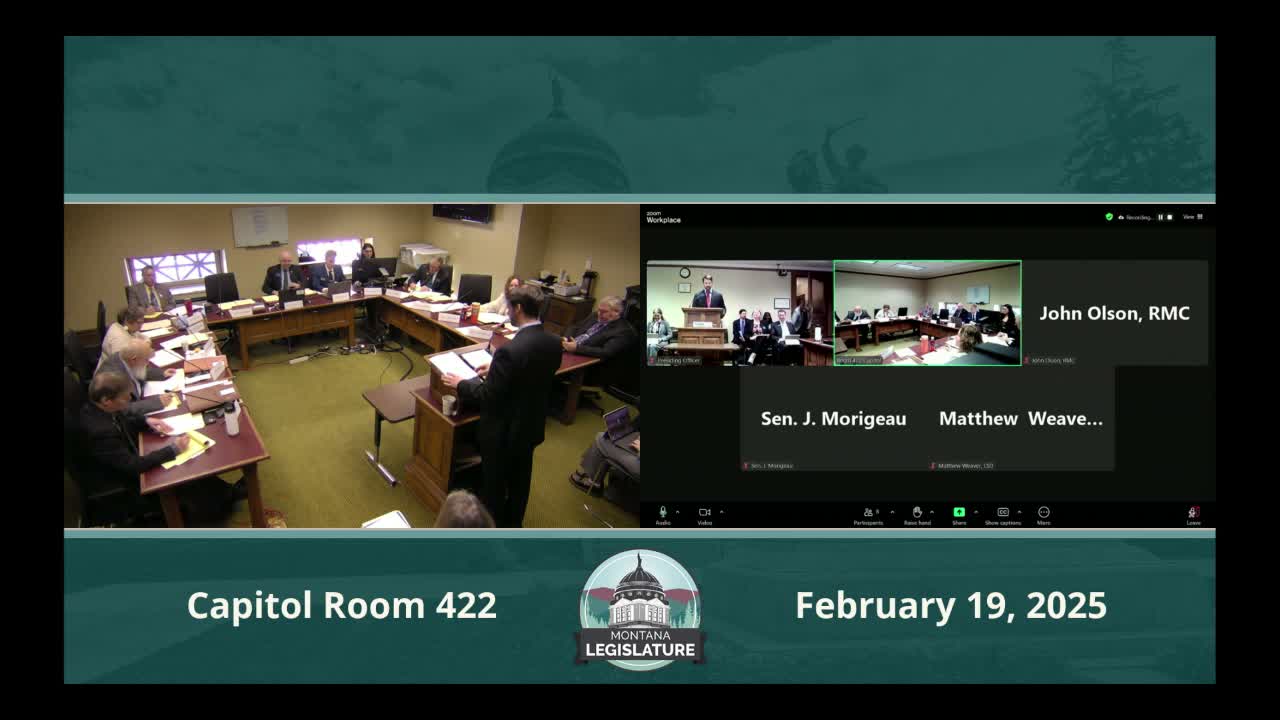
The committee heard several hours of testimony on Senate Bill 240, the "Equality and Financial Services Act," introduced by Senator Forrest Mandeville to limit certain large banks and payment processors from denying services on the basis of political views, religion, or industry category and to require written explanations when accounts are closed.
Supporters included allied legal groups and conservative advocacy organizations. Matt Sharp of Alliance Defending Freedom said recent closures amount to modern-day redlining and described clients who lost accounts or payment processing, arguing "no one should fear losing a bank account...because of their free speech" and urging protections and transparency. Other proponents, including the Montana Family Foundation and a representative of the National Rifle Association, stressed cases where nonprofit or firearm-related accounts were closed without clear explanations.
Opponents — led by Sam Sill of the Montana Bankers Association, Charles Robison of the Montana Chamber of Commerce, and representatives of credit unions and insurers — argued the bill would interfere with federally required bank risk management, create costly private litigation, and could force institutions to disclose information that would harm criminal investigations. Sam Sill told the committee banks are "required by the regulators to manage risk" and cautioned that forced disclosures could impede suspicious-activity reporting to federal authorities.
Committee members questioned how the bill would interact with existing federal rules, including the Bank Secrecy Act and Regulation B under the Equal Credit Opportunity Act, and probed how the bill’s asset threshold (institutions with more than $100 billion in assets) would apply in practice. Senators expressed sympathy for businesses that run into payment-processor blacklists and asked about remedies; opponents urged federal enforcement channels and warned of unintended consequences for anti-money-laundering work.
No committee vote on SB 240 was recorded during the hearing. The exchange surfaced policy trade-offs between consumer protections and banking regulators’ enforcement obligations, and some senators suggested amendments to narrow the bill’s scope around criminal activity and to clarify definitions of "social credit score" and covered entities.
Next steps: The sponsor indicated willingness to consider amendments; the committee will decide on executive action or referral later in the session.