Get Full Government Meeting Transcripts, Videos, & Alerts Forever!
Get email alerts on the Short Term Rentals topic
No spam. Unsubscribe anytime.
Health officials warn bill clarifying 'tourist home' could remove licensing protections
Summary
SB 363 would tighten the statute defining 'tourist home' for public-health licensing, but public-health witnesses warned changing 'not occupied' to 'never occupied' could strip many existing homes of licenses and jeopardize basic health protections.
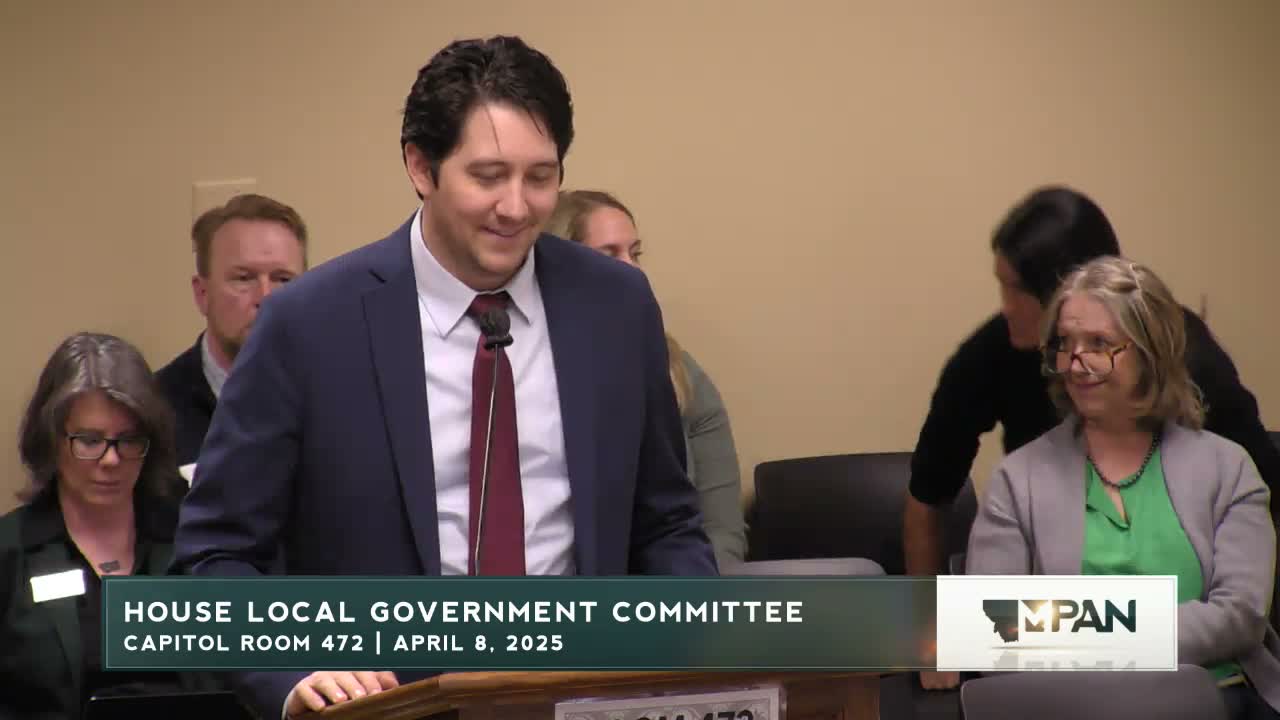
Senate Bill 363 aims to clarify the public-health licensing term "tourist home" by specifying that a tourist home is an entire private home or condominium that is never occupied by an owner or manager and is rented in its entirety to guests. Sponsor Daniel Zolnicoff said the change is meant to remove ambiguity in enforcement and to distinguish tourist homes from owner-occupied or partially rented properties.
Proponents — including property owners and legal advocates — said the clarification would reduce inconsistent interpretations and avoid cases where county or city rules mistakenly required licensure. Several witnesses gave personal examples of lost income or enforcement confusion and urged the committee to pass the change.
Health officials, however, argued the proposed wording could unintentionally remove licensing eligibility for many presently licensed tourist homes. Jeanna Miller, the health officer at Missoula Public Health, warned that replacing "not occupied" with the absolute "never occupied" could be read to exclude properties that had at any time been owner occupied, potentially stripping nearly 5,000 currently licensed tourist-home operators of oversight and the modest public-health protections those licenses confer. Daryl Barton of DPHHS told the committee the department interprets the current definition to mean whole-unit rentals without an on-site owner and that the proposed change could constrain the agency's ability to license and inspect properties for basic public-health standards.
Committee members asked whether the change would have retroactive effect and how it would interact with other short-term rental definitions in state code. The sponsor said the change was intended only to clarify and narrow the statutory category so that traditional short-term rentals and owner-occupied arrangements would be treated separately; he also noted that licensing and tax obligations would remain governed elsewhere.
After testimony and informational comments, the committee tabled SB 363 during executive action.