Get Full Government Meeting Transcripts, Videos, & Alerts Forever!
Get email alerts on the Finance Governance topic
No spam. Unsubscribe anytime.
SBOE and TEA press Fort Worth STEAM Academy on finances, fundraising and board capacity
Summary
State Board of Education members and TEA finance staff questioned the applicant on fundraising commitments, contingency budgeting and board experience after noting charter closures in the area; applicants reported $296,000 secured and final rounds for $450,000 in grants but said the grants were not yet committed.
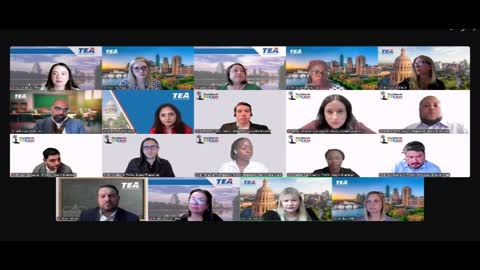
During the Texas Education Agency capacity interview, State Board of Education members and TEA finance staff focused on financial sustainability, fundraising commitments and board capacity after noting two recent charter closures in the Fort Worth area.
TEA asked whether the startup and annual budgets relied on firm local contributions. Eric Wilson, the proposed treasurer, said the team had budgeted $271,000 in local contributions for the startup year and had secured $296,000 to date; he also said the applicants were in final rounds for two national foundation grants totaling $450,000 but that those grants were not yet committed and decisions were expected in mid-June.
Panel members pressed the applicants on enrollment assumptions. The school's year-one enrollment target is 150 students but the budget is conservative to a 135-student projection to provide a cushion for under-enrollment. Wilson told the panel they had set aside contingency reserves (a $45,000 set-aside in year one) and built conservatism into revenue assumptions. He said the team would pursue additional fundraising, draw on reserves if available, or right-size expense lines (including personnel) if revenue shortfalls occurred.
SBOE members asked how applicants would avoid the fate of recently closed charters. Applicants pointed to three differentiators: (1) fiscal responsibility and monthly monitoring of budget versus actuals, (2) intentional enrollment work and community relationships built from more than 30 outreach events, and (3) an academic model designed to accelerate student achievement. Board members also said the governing board planned to recruit additional members with senior education or HR experience to address current skill gaps.
On transparency, the applicants affirmed compliance with open-meetings laws and said they planned to make board materials public; the board said it would evaluate livestreaming as one option to increase transparency. No formal vote or action was taken during the interview; TEA staff will incorporate interview responses into the commissioner's recommendation to the State Board of Education.