Get Full Government Meeting Transcripts, Videos, & Alerts Forever!
Get email alerts on the Synthetic Cannabinoids Hemp topic
No spam. Unsubscribe anytime.
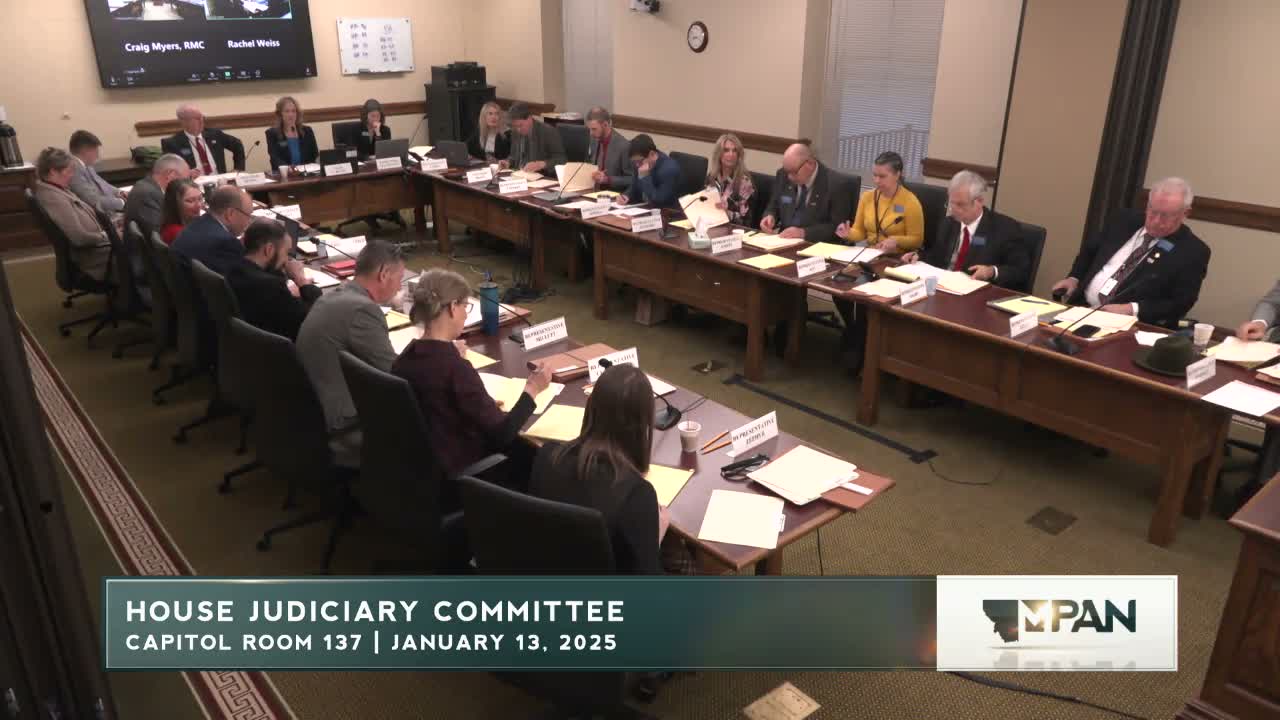
Committee hears HB 49 to tighten definitions and set milligram limits for hemp-derived THC products
Summary
House Bill 49 would broaden the statutory wording to cover 'cannabinoids' (not just 'marijuana'), maintain a ban on synthetic cannabinoids, and add milligram-per-serving and per-package limits (0.5 mg per serving, 2 mg per package) to prevent unregulated intoxicating hemp products from reaching youth, proponents said.
Representative Ron Marshall presented House Bill 49 as a technical and policy update to the 2023 law that banned many synthetic cannabinoid products. He told the committee the measure replaces references to "marijuana" with "cannabinoid" in select sections so the law covers intoxicating cannabinoid products regardless of whether they are derived from hemp or marijuana.
Kristen Barber, administrator of the Cannabis Control Division, told the committee the language reflects the work of the Synthetic Cannabinoid Advisory Council and is intended to close a regulatory gap that left some intoxicating hemp-derived products untested, unlabeled and available in retail outlets without age limits. "The advisory council determined that these terms along with the term synthetic cannabinoid are synonymous," Barber said, describing the bills milligram thresholds and the rationale that percentage-based hemp definitions can create a loophole for edibles and other non-biomass products.
Industry witnesses — including cannabis providers and the Montana Cannabis Industry Association — generally supported the bill's emphasis on testing, labeling and regulatory parity with the marijuana supply chain. Opponents and prevention advocates said they welcome the closure of synthetic markets but warned the draft language in section 5 could inadvertently allow "any person" to sell certain hemp products without age gating, increasing youth access. Coleen Smith of Youth Connections said that as written the bill could permit intoxicating hemp products to be sold at gas stations and convenience stores with no protections for minors.
Informational witnesses from CCD and the Department of Agriculture clarified that CCD regulates marijuana while hemp post-harvest oversight falls largely outside the Department of Agriculture's current regulatory remit, and that the proposed milligram thresholds align with approaches in other states to reduce the percentage-to-milligram loophole for edibles.
Representative Marshall closed by asking for a due pass. The committee heard technical and policy questions about enforcement authority, youth access and whether state regulatory structures need additional steps to control retail sales of intoxicating hemp products.