Get Full Government Meeting Transcripts, Videos, & Alerts Forever!
Get email alerts on the Youth Substance Use topic
No spam. Unsubscribe anytime.
Panel backs bill to track minors' possession of alcohol and marijuana separately
Summary
SB 132 would split minor‑in‑possession (MIP) reporting so incidents involving alcohol and marijuana are coded separately; sponsors and youth‑court officials said the change is largely technical but necessary to measure trends after marijuana legalization, while no substantive opponents appeared.
Senator Tom McIlvray opened Senate Bill 132 seeking to separate the way minor‑in‑possession (MIP) offenses are coded so that alcohol and marijuana possession by minors are recorded distinctly. McIlvray said current reporting lumps alcohol, marijuana and other intoxicants under a single offense code, making it impossible to track whether marijuana use by minors increased after legalization.
Tom Bilteen, Youth Court Services Bureau Chief, described how the JCATS case management system and offense coding currently prevent reliable reporting of the substance involved in an MIP. Bilteen said the change would enable accurate annual youth‑court reports and help local, state and national agencies track trends and plan prevention efforts.
Supporters included task‑force representatives and local residents who cited community enforcement and prevention. Committee members asked whether agencies such as DPHHS would have access to the data and whether medical exemptions exist; witnesses said annual reports and data‑requests already occur and that the separation would improve accuracy. The sponsor closed noting the bill does not change substantive penalties; it only clarifies which substance is involved to support better policy making.
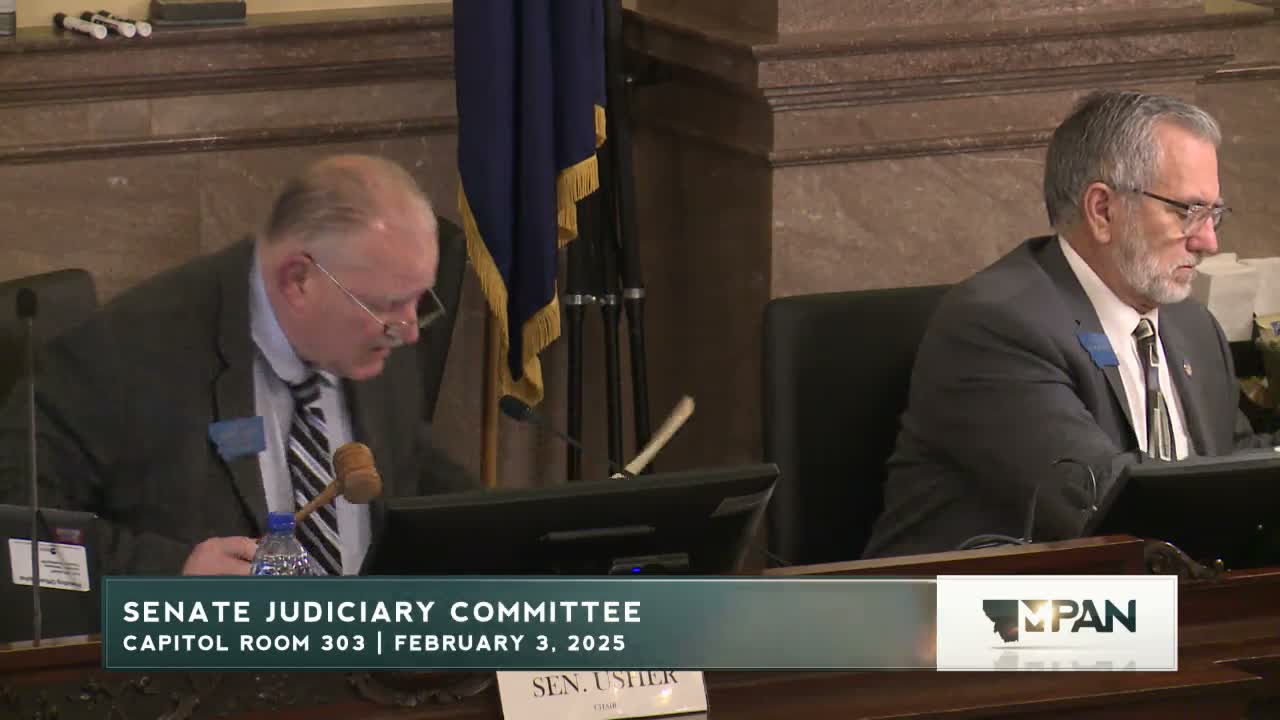
During executive action the committee moved SB 132 to do‑pass; a voice vote passed with several members recorded as nays by proxy during the roll call process, but the motion carried in committee.