Get Full Government Meeting Transcripts, Videos, & Alerts Forever!
Get email alerts on the Judiciary topic
No spam. Unsubscribe anytime.
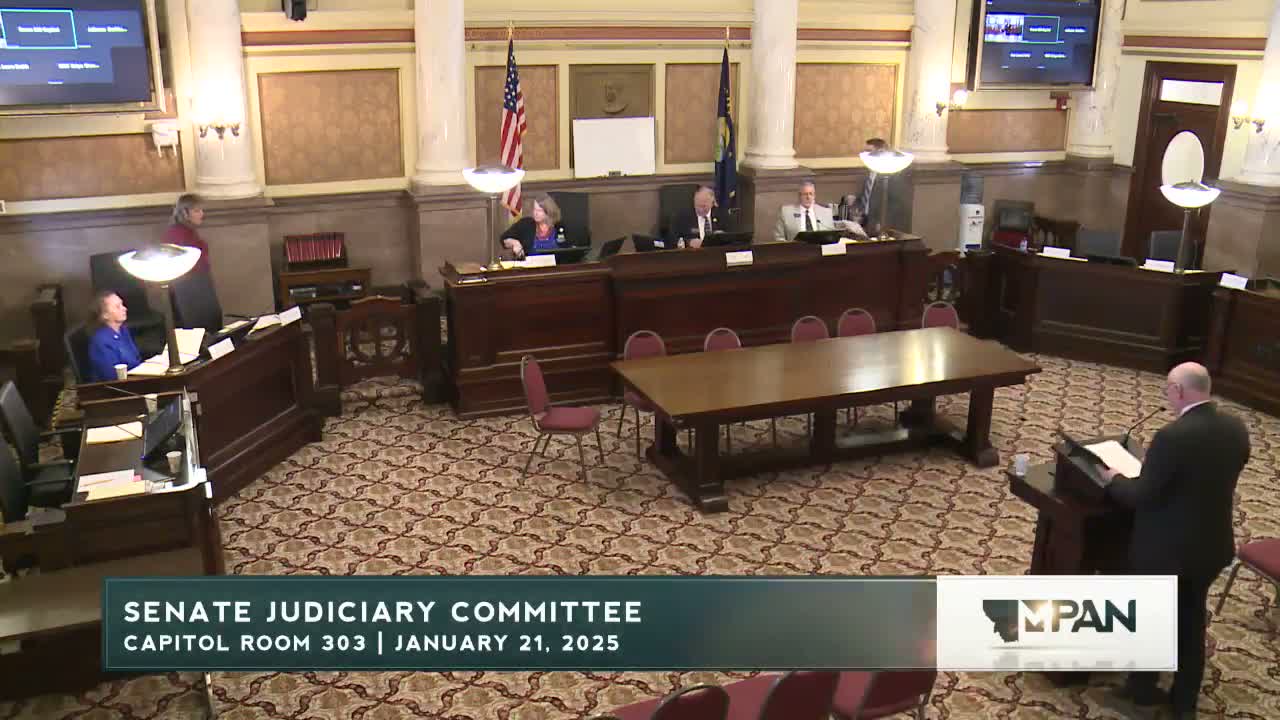
Senate Judiciary takes up bill to define judicial bias and related standards; opponents raise separation-of-powers concerns
Summary
SB66 seeks statutory definitions for bias, conflict of interest, impartiality and open-mindedness for judges; supporters said definitions add clarity, while the State Bar, judges and others warned the measure risks constitutional separation-of-powers conflicts and vague, unenforceable standards such as inferring bias from facial expressions.
Senator Mark Noland presented Senate Bill 66 to define terms related to judicial conduct — including bias, conflict of interest, impartiality and open-mindedness — and to clarify when disqualification or impeachment might be appropriate. Sponsor testimony framed the bill as a bid for clarity and accountability in the judiciary.
Proponents, including civic advocates and a sponsor of prior judicial-oversight work, said codifying definitions would help litigants, legislators and judges understand standards for recusal or disqualification. Pascal Redfern suggested the definitions would reduce ambiguity in existing practice and recommended limited amendments to address issues such as "inferable bias." Lynn Hellegard, who participated in an interim select committee on judicial oversight, urged a due-pass, saying statute-based definitions would help connect standards with consequences.
Opponents were numerous and emphatic. The State Bar and the Montana Judges Association raised separation-of-powers objections, arguing the Supreme Court is the proper regulator of judicial conduct and that statutory definitions risk usurping that role. Bruce Spencer warned that language allowing bias to be inferred from facial expressions or "prior activity" is subjective and would invite frivolous motions and appeals. Others said the bill could convert routine judicial demeanor into grounds for recusal, appellate reversal or even impeachment.
Committee members pressed proponents and opponents on how definitions would be enforced, whether video or record evidence would be required to show facial expressions, and how the bill would interact with canons of judicial conduct and existing judicial review processes. The sponsor said the goal is clarity and to provide shared expectations about judicial behavior; he indicated a willingness to consider amendments. The hearing concluded with no committee action recorded in the transcript.