Get Full Government Meeting Transcripts, Videos, & Alerts Forever!
Get email alerts on the Tenant Rights topic
No spam. Unsubscribe anytime.
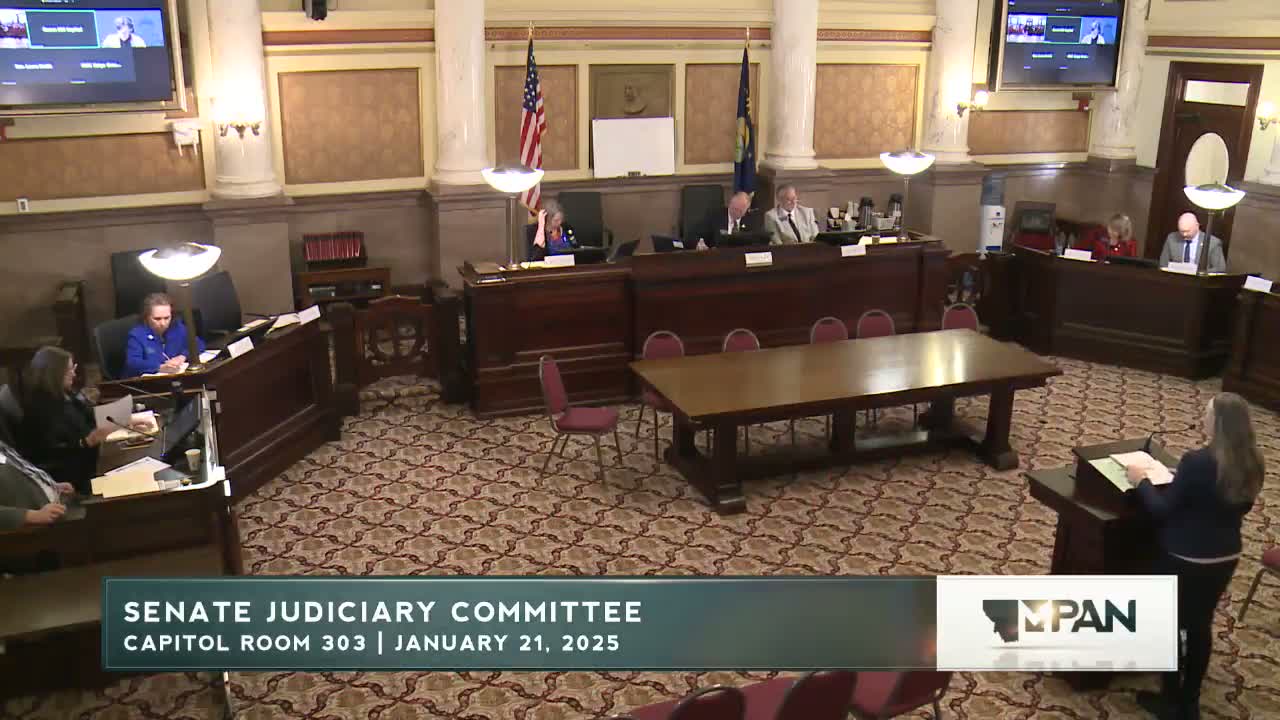
Senate Judiciary considers SB126 to define 'normal wear' and standardize move-out charges
Summary
SB126 would define normal wear and tear, limit move-out charges to prevailing costs with receipts, and standardize the security-deposit timeline; tenants' advocates supported clarity, landlords warned of vagueness and operational burdens.
Senator Mary Ann Dunwell introduced SB126 to clarify the Residential Tenants Security Deposit Act by defining "normal wear," limiting landlord move-out charges to prevailing costs (with receipts or estimates), and extending the time to return security deposits from 10 to 21 days.
Tenants, student groups and Montana Legal Services supported the measure as modest, practical clarifications that help both renters and landlords avoid costly disputes. Amy Hall, an attorney with Montana Legal Services, told the committee Montana currently has "no definition whatsoever" of normal wear and that the lack of statutory parameters leads to big variations in outcomes and often forces tenants into court.
Proponents described typical disputes—large or inconsistent deposit deductions for small nail holes or normal carpet wear—and said clearer rules would reduce litigation. Students and tenant representatives urged the committee to consider how long delays in returning deposits create acute hardship for people trying to secure replacement housing.
Opponents — including the Montana Landlord Association and individual landlords — argued the bill is overly subjective, that a 21-day return timeline may be infeasible in rural areas or where contractor estimates are slow to obtain, and that the changes could reduce landlords’ ability to recoup legitimate damage costs. John Synrude and other landlords testified that some damage (flooded floors, severe carpet damage) can require months to estimate and repair.
Committee members questioned how the bill would handle contract termination timing, prevailing-cost calculations, and whether 21 days is sufficient; the sponsor responded she would work with stakeholders on amendments and suggested reverting to a 30-day timeline if needed. The hearing closed with the sponsor asking the committee to move the bill forward with agreed-upon amendments.