Get Full Government Meeting Transcripts, Videos, & Alerts Forever!
Get email alerts on the Demolition Delay Ordinances topic
No spam. Unsubscribe anytime.
La Crosse preservation commission hears Madison, Milwaukee on demolition‑delay options
Summary
The Heritage Preservation Commission heard presentations from planners in Madison and Milwaukee about demolition‑delay ordinances, including Madison’s administrative streamlining and mitigation approach and Milwaukee’s 16‑day hold and community‑driven case studies; commissioners agreed to continue discussion next month.
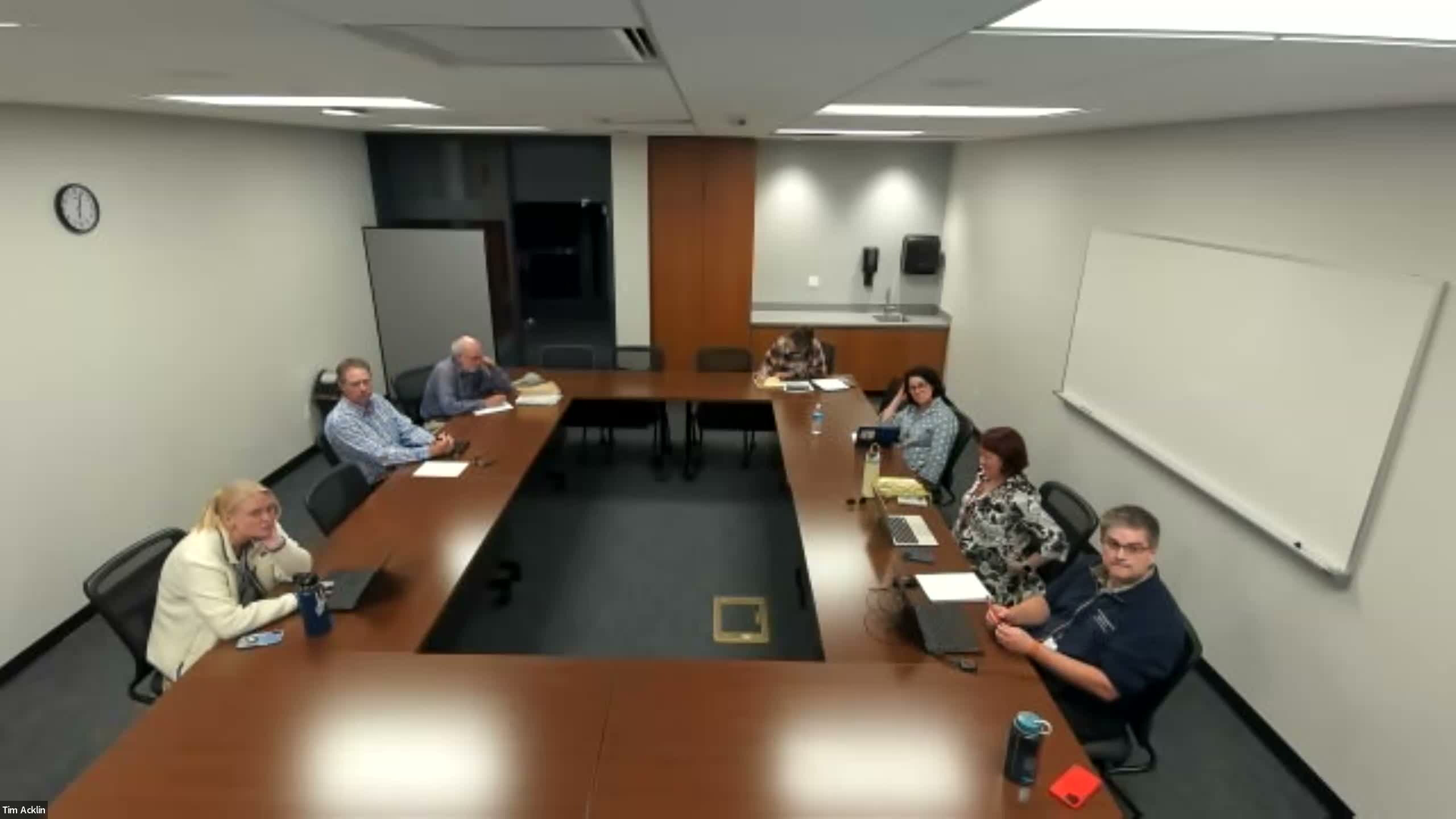
The Heritage Preservation Commission met Aug. 28 to hear comparative presentations from Heather Bailey, preservation planner for the City of Madison, and Tim Askin, senior planner for the City of Milwaukee, about demolition‑delay ordinances and whether La Crosse should adopt a similar policy.
Bailey told commissioners demolition delays are a legally vetted way for cities to “pump the brakes” on proposed demolitions so officials and the public can gather information, weigh historic value and explore mitigation such as façade retention, documentation or architectural salvage. She described Madison’s layered system: Landmarks Commission makes a public historic‑value finding and Plan Commission retains formal demolition approval authority, but many routine cases now move through an administrative process to shorten permit timelines.
“We had 144 demolitions in the city and 79% of them were listed as ‘no known historic value,’” Bailey said, explaining why Madison moved many cases to administrative approval while reserving public Landmarks hearings for cases where the public record or community testimony suggests historic significance. She said Madison requires demolition applicants to submit an application, pre‑application notification to the alder and neighborhood groups, condition photos and a recycling/reuse plan; the city charges a $600 demolition application fee. Properties listed in or eligible for the National Register trigger the state’s approximately 30‑day review, she added.
Bailey outlined a standardized motion structure for Landmarks findings so the commission’s reasons are on the record (examples include “no known historic value,” a middle “regrettable loss,” and strong historic value that may warrant mitigation or designation). She said the public hearing requirement captures information that archival records may miss and can surface historically underrepresented stories.
Askin described Milwaukee’s longer history of preservation policy and a different procedural model. Milwaukee holds every demolition permit for 16 days after legal notice publication; within that window any resident can file an application for preservation commission review and the commission will hold a hearing within 20 days. Delays can be extended — up to 180 days or longer if a permanent designation is pursued — and the city may conditionally approve demolition only when developers provide verified financing and complete construction plans.
“Every demolition of a primary structure in the City of Milwaukee is held for 16 days after legal notice publication,” Askin said, adding that many permit applications are incomplete at filing and thus not published immediately, which effectively increases the available review time. He also described case studies in which delay prompted redesign or mitigations, including a multi‑building effort that preserved buildings after the owner redesigned plans and agreed to integrate historic elements.
Commissioners asked about subjectivity in historic‑value findings, how age thresholds are used and whether demolition delays discourage reuse. Bailey said Madison does not use a fixed age cutoff; instead Landmarks Commission makes findings that must include reasons on the record to avoid arbitrary decisions. Both presenters said delays do not stop development but often change its form by bringing mitigation or community input into project planning.
Several practical details emerged in the discussion: Madison requires photographic interior and exterior documentation and a recycling/reuse plan (Bailey said the city forwards materials to the state for National Register‑eligible properties); Milwaukee charges a $25 fee for a resident to file a preservation hearing request and lacks an ordinance that can force architectural salvage. Both planners said mandatory deconstruction ordinances face legal and infrastructure constraints, including state rules governing lead and asbestos handling that complicate reuse and deconstruction programs.
The commission voted at the start of the meeting to approve the July 20, 2025 meeting minutes. Commissioners thanked the presenters and agreed to continue the conversation at their next meeting; staff said the presentation recording would be shared with absent members and that commissioners would work toward identifying which components of Madison’s or Milwaukee’s approaches might fit La Crosse.
The commission adjourned with no further business.