Get Full Government Meeting Transcripts, Videos, & Alerts Forever!
Get email alerts on the Data Centers topic
No spam. Unsubscribe anytime.
Neighbors split on proposed large data center; calls grow for extended review and independent hydrologic study
Summary
Several residents urged the Coweta commissioners to extend the data-center moratorium, require independent hydrologic studies and convene a scientific review committee before rezoning for 'Project SAIL/SALE'; supporters said strict county and state erosion controls and buffers mitigate risk and emphasized expected tax revenue.
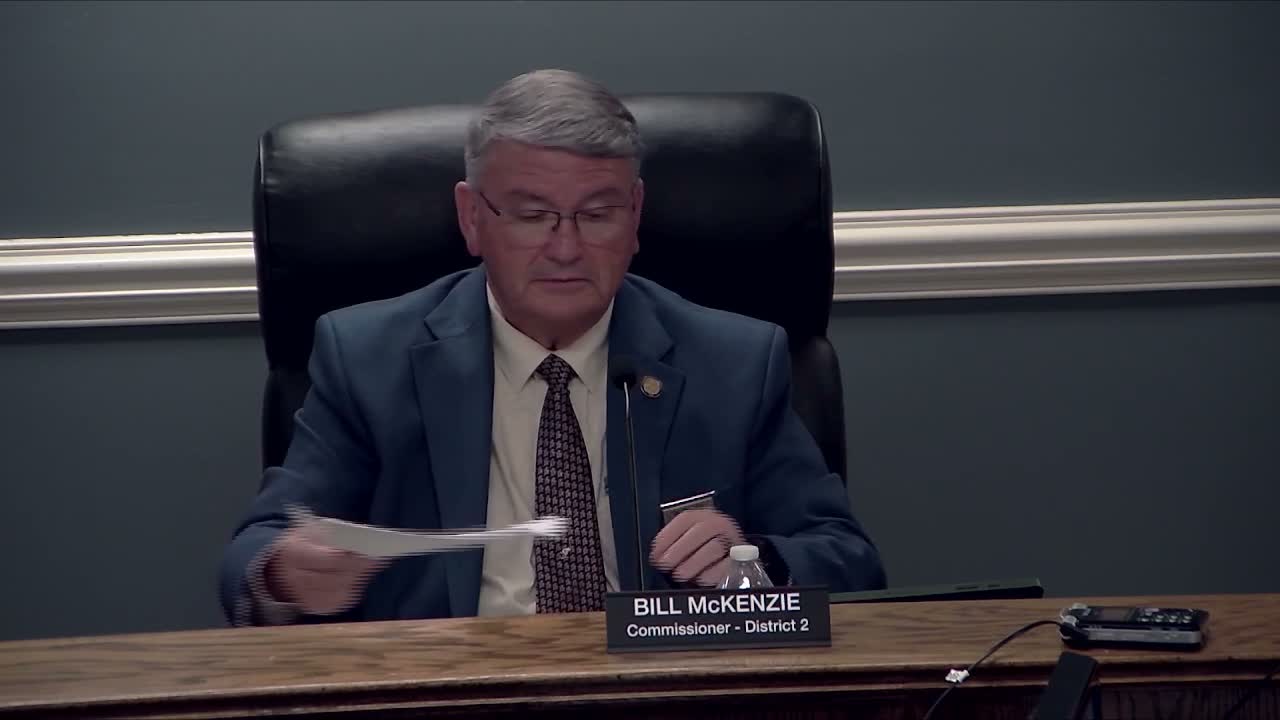
A substantial portion of the Aug. 5 meeting was devoted to public comment on proposals for a large data center often referred to in testimony as "Project SAIL" or "Project SALE." The board had previously enacted a moratorium and circulated a draft ordinance; residents used the public-comment period to press both for and against the pending rezoning.
Opponents cited groundwater and water‑use concerns, noise and air impacts, and evaporation from open‑loop cooling. Tim Ryan (District 3) urged commissioners to extend the moratorium and to appoint an independent panel of geologists and hydrologists to review groundwater recharge risks, citing case studies in Utah and Indiana where nearby wells were affected by data‑center construction. Ryan said the proposal "is proposed to be built on top of a large groundwater recharge zone" and asked for peer‑reviewed hydrologic studies before rezoning.
Engineers and other opponents quantified potential water use during testimony, with one speaker stating that a large center’s cooling system could demand on the order of millions of gallons per day; speakers expressed concern about open‑loop evaporative cooling and long‑term effects on local wells.
Proponents — including residents with development experience — described Coweta as stringent on erosion and sediment controls and said the draft ordinance would require larger buffers (the draft cited a 300‑foot buffer where appropriate) and third‑party NPDES inspections. Mitch Williams, who identified himself as a resident and development professional, called the project "a once in a generation opportunity" and said developers must meet local and state erosion and water‑quality standards.
Board reaction: Commissioners heard multiple perspectives and received documentation and field-trip observations from residents who had inspected data centers in other states. Several speakers asked for scientific, independently reviewed risk assessments, while proponents pointed to local permitting standards and economic benefits. The board did not take final action on rezoning during this meeting; the public record will inform additional ordinance drafting and any future zoning decisions.