Get Full Government Meeting Transcripts, Videos, & Alerts Forever!
Get email alerts on the Parental Access Privacy topic
No spam. Unsubscribe anytime.
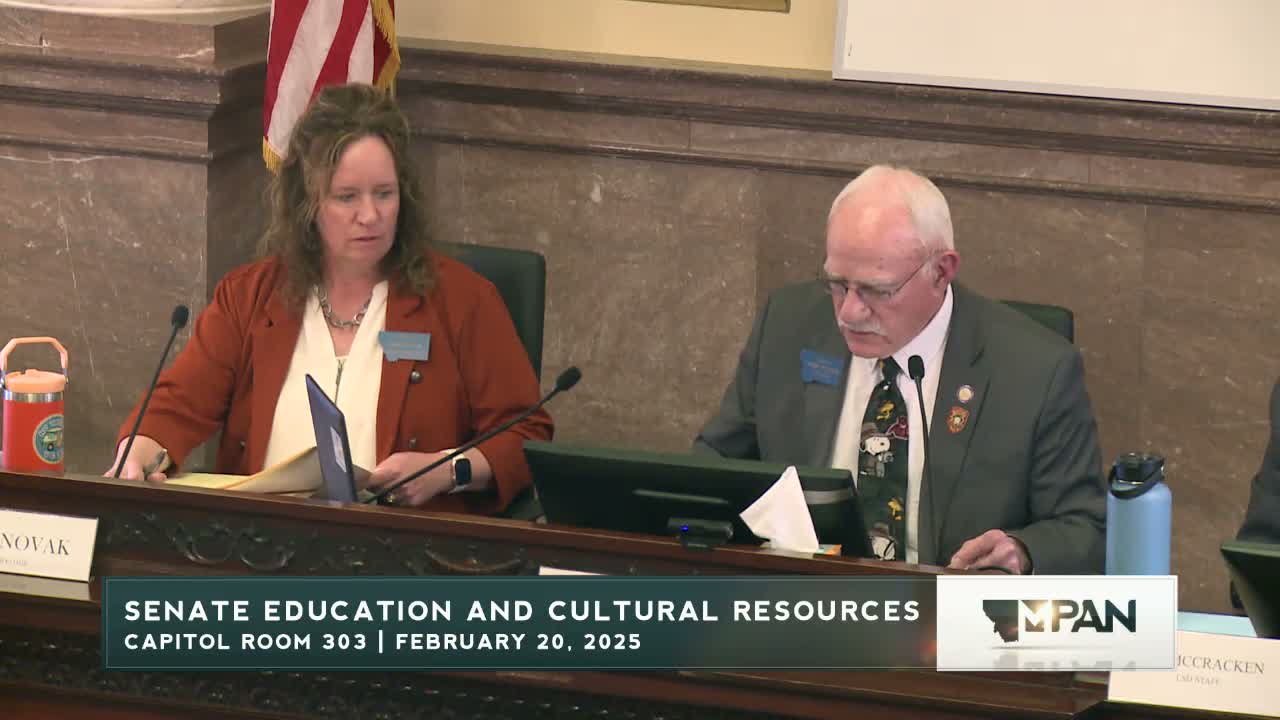
Heated hearing on 'Transparency in Education' bill pits parental-access proponents against advocates for student privacy
Summary
Senate Bill 299 would require districts to disclose curriculum, policy, and student information to parents and create complaint avenues; proponents framed it as parental‑rights protection while opponents warned it would endanger vulnerable students and complicate district operations. The committee held extended testimony but took no vote.
Senator John Fuller opened testimony on Senate Bill 299, the "Transparency in Education Act," saying "Public schools have no right to shut parents out of their child's education and development" and that the bill would give parents access to curriculum, policies and information schools keep about their children.
Proponents included Jordan Carpenter of Alliance Defending Freedom, who said the bill protects parental rights and remedies perceived gaps in FERPA enforcement, and a representative of the Montana Family Foundation who described cases in which parents later learned of counselor‑led social transitions. Carpenter argued the bill gives parents a process and recourse when they feel their rights have been violated.
Opponents described a different set of risks. Robin Turner (LegalVoice) centered opposition on minors’ constitutional and privacy rights under Article II, Section 15, saying the bill "provides for no discretion to school staff to address" cases where disclosure could harm a student. Teacher and union witnesses, including Kim Popham (Montana Federation of Public Employees), warned the bill’s language would create operational confusion (opt‑in vs. opt‑out), conflict with mandatory‑reporting duties, and add tracking and litigation risks that could worsen teacher shortages. McCall Flynn (Board of Public Education) said the opt‑in phrasing could make required content appear optional and recommended an opt‑out approach to avoid undermining state content standards.
Multiple community groups — including the Montana Coalition Against Domestic and Sexual Violence, Planned Parenthood Advocates of Montana, and grassroots and school staff witnesses — warned SB 299 could disrupt prevention and health education programs and expose transgender and questioning students to harm. Sean Reagor, who identified as a transgender man and testified for BridgerCare, described personal harms he said could follow forced disclosure. Several teachers and a local trustee described potential liability and administrative burdens; one trustee cited Helena school district liability insurance costs of $1,404,906 as an example of district fiscal pressure.
Committee members asked focused legal and operational questions about constitutional constraints, how the bill interacts with existing statutes and administrative rules, and what model district policies would change; witnesses repeatedly cautioned about conflicts with mandatory‑reporting laws and the practicalities of notification deadlines. Senator Fuller closed by reiterating the bill’s parental‑access aims and urged a do pass; the committee adjourned the hearing without taking a committee vote on SB 299. The bill remains pending and will be considered in future committee action if scheduled.