Get Full Government Meeting Transcripts, Videos, & Alerts Forever!
Get email alerts on the School Funding Inflation topic
No spam. Unsubscribe anytime.
Senate education committee advances bill to apply statutory inflation adjustment to K–12 base aid
Summary
Representative David Beatty’s House Bill 15 would apply the statutory inflation adjustment (MCA 20-9-326) to Montana’s K–12 base aid formula, carrying a 3% statutory cap; the Senate Education Committee approved the bill 12–2 and sent it to the floor.
Representative David Beatty introduced House Bill 15, saying the proposal applies the statutorily determined inflation adjustment to the K–12 base aid funding formula so school districts receive the minimum level of funding required under Article X of the Montana Constitution. "Part of that duty includes accounting for inflation," Beatty told the committee, noting the statute bases the adjustment on a three‑year CPI growth rate with a 3 percent per year cap (MCA 20‑9‑326).
The bill’s backers told the committee HB 15 is routine but essential. Lance Melton of the Montana School Boards Association said the inflationary adjustment has a bipartisan history and keeps districts able to plan. "This keeps the engine running, so to speak," Melton testified. Susie Hedalen, superintendent for the Office of Public Instruction, urged prompt executive action so OPI can send accurate budget sheets by March 1, allowing districts time to hire and set budgets.
Witnesses and lawmakers discussed how the statutory formula and cap apply to recent high‑inflation years. Beatty and informational witnesses explained the formula would have produced higher figures (5.7 percent for FY2026 and 4.8 percent for FY2027) but the statute’s 3 percent cap limits the annual adjustment. Melton noted how related legislation, including the STARS Act and guaranteed tax base (GTB) calculations, affect aggregate cost estimates; he provided an approximate figure for entitlements absent certain adjustments and said combined measures would close much of the inflation gap on a percentage basis.
Committee members debated fiscal timing and property tax implications. Senator Trevis questioned the timing of raising education spending before other property tax relief is resolved. Senator Beard stated he would vote no, saying constituents want property tax relief and questioning whether inflationary funding reaches classrooms. Beatty urged a "do pass" and rapid action so districts can prepare for the upcoming budget cycle.
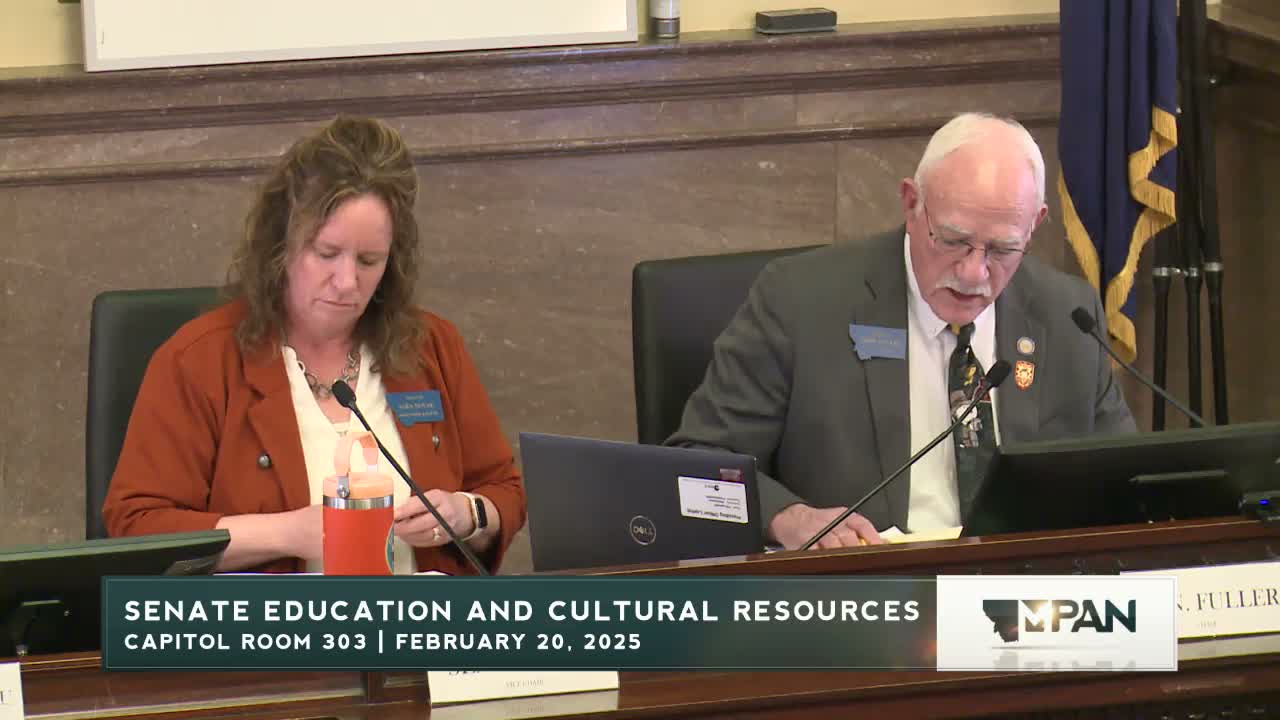
The Senate Education Committee took executive action and approved House Bill 15 on a roll‑call vote, 12 yeas to 2 nays, and directed it forward to the next Senate steps. The committee record shows several members voted by proxy as recorded during the roll call. The bill will advance to further consideration on the Senate floor and to fiscal committees for budgetary review.