Get Full Government Meeting Transcripts, Videos, & Alerts Forever!
Get email alerts on the HB 758 Ambulance Reimbursement topic
No spam. Unsubscribe anytime.
Committee rejects ambulance balance-billing bill after heated debate over reimbursement and rural services
Summary
After lengthy debate over reimbursement caps, Health Savings Account implications and rural EMS viability, the committee voted 5'6 to reject House Bill 758 as amended; members later moved to table the bill.
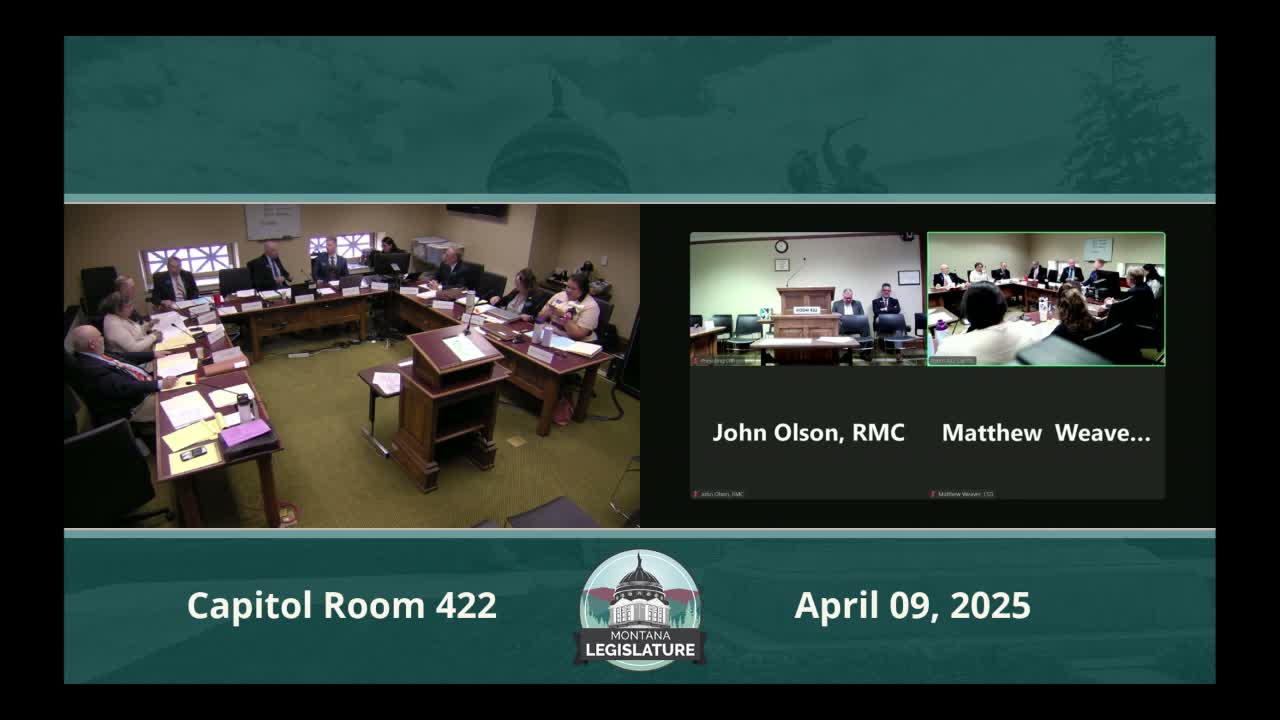
The Senate Business, Labor and Economic Affairs Committee on Friday declined to pass House Bill 758, a bill addressing balance-billing and insurer reimbursement for ambulance services, after extended debate on rural emergency medical services and reimbursement levels.
Committee staff distributed an amendment (HB0758.002.001) to address a key sticking point raised by opponents: when application of the bill would make a health savings account ineligible under Internal Revenue Code section 223. The amendment clarifies that, in such situations, the requirement would apply only after an individual has satisfied the plan deductible as required by IRC 223.
A motion was made to do pass the bill with the amendment and committee members debated multiple aspects, including the proposed 400 percent reimbursement figure for out-of-network ambulance billing. Supporters, including Senator Hunter, argued rural ambulance services are "struggling right now" and said the bill would help sustain small rural EMS operations by improving reimbursement. Hunter said distance, mileage and volunteer recruitment make rural runs especially costly.
Opponents raised concerns about the interplay with Medicaid and Medicare and the possibility that mandating higher out-of-network reimbursement could raise costs for all insured consumers. Senator Phelan said he would vote no, citing worries about Medicaid not covering certain reimbursements and objecting to mandates. Several senators urged a study or different policy approaches, pointing to other states' choices of lower reimbursement caps (250–275 percent) and the availability of grants.
The committee adopted the amendment by voice vote, then took a roll call on the bill as amended. The clerk reported five ayes and six nays; the motion to pass did not carry. A subsequent motion to table the bill passed and HB 758 was tabled. Committee members discussed options for further study and scheduling for public testimony on related bills.