Get Full Government Meeting Transcripts, Videos, & Alerts Forever!
Get email alerts on the Motorcycle Safety topic
No spam. Unsubscribe anytime.
Montana committee hears bill for specialty motorcycle plate to fund rider-education
Summary
Sponsor and safety groups urged the House Transportation Committee to approve a specialty motorcycle license plate that charges a $5 administrative fee plus an optional $20 donation to raise funds for rider training and public awareness; designers will work with DOJ/Highway Patrol on plate reflectivity and approval.
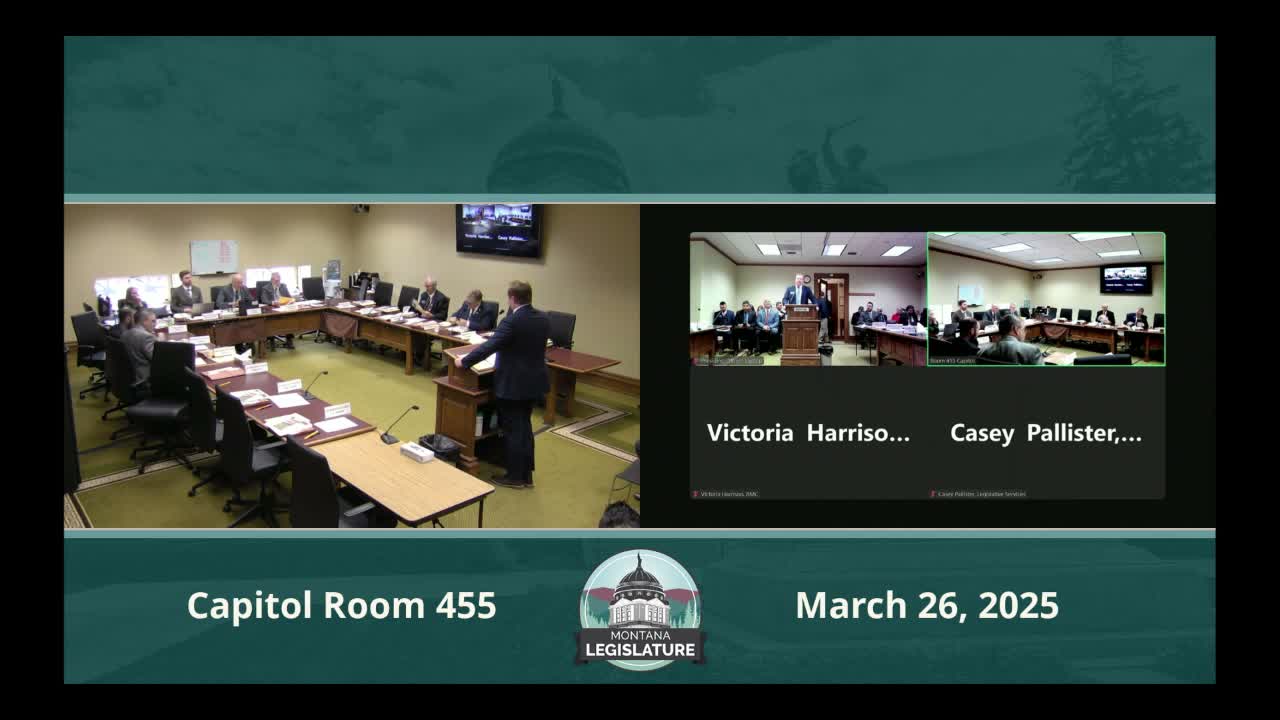
Representative Josh Sechinger, the sponsor of House Bill 849, told the House Transportation Committee that the bill would create a voluntary specialty motorcycle license plate to finance motorcycle-safety education and outreach. "This bill is straightforward and common sense," Sechinger said, describing the measure as a way to raise modest, voluntary funds and increase public awareness about motorcycles on Montana roads.
Supporters described the plate as a rider-funded, voluntary option. Tom Jacobson of the Montana Motorcycle Safety Foundation said the foundation’s work focuses on training and awareness and that the plate would provide direct funding for nonprofits that host rider-education programs. "Motorcyclists [are] 28 times more likely to die in a crash than in a passenger vehicle," Jacobson said, citing the higher risk riders face and urging the committee for a "do pass." Drew Cziok of Blue Cross Blue Shield of Montana, who said he learned to ride in an education class, also voiced support and said he would switch to the new plate if it becomes available.
Committee members asked practical questions about how the program would operate. Representative Clacken asked whether advanced and basic rider-education courses already exist; proponents said courses are currently offered and the plate revenue would fund nonprofit providers. Members also asked about the plate’s cost structure and visibility. The bill specifies a $5 administrative fee and a $20 donation tied to the specialty plate; committee members and witnesses clarified that motorcycle plates are permanent and that reflectivity/design details would be approved by the Department of Justice and Highway Patrol.
The informational witness from the Montana Department of Transportation, Rob Stapley, said MDT helps fund safety programs but does not run the rider-training program (an instructor-based class operates through Helena College in the Helena area). Sponsor Sechinger closed the hearing by reiterating that the plate is voluntary, designed to raise awareness and modest funds for training, and asked the committee to advance the bill.
The committee closed testimony on House Bill 849 with no immediate vote; the chair said executive action would be scheduled later.