Get Full Government Meeting Transcripts, Videos, & Alerts Forever!
Get email alerts on the GHG Assessment topic
No spam. Unsubscribe anytime.
DEQ seeks statutory guidance to limit MEPA greenhouse-gas analysis; opponents say bill narrows review and risks transparency
Summary
SB221 requires DEQ to define greenhouse gases, specify actions that trigger GHG assessment (with emphasis on fossil-fuel activities), narrow the scope of required analysis to emissions 'approximately caused' by a proposed action, and produce guidance. Industry proponents urged predictability; conservation groups, tribes and public-health advocates said the bill would exclude indirect or downstream emissions and risk legal and public-health consequences.
Senate Bill 221 would provide statutory sideboards for greenhouse-gas analysis under MEPA after the Montana Supreme Court’s Held decision. Sponsor Senator Gault opened the hearing, saying the bill provides certainty for agencies and regulated entities. DEQ Director Sonya Nowakowski testified that SB221 defines greenhouse gases, lists the types of actions that would require assessment (emphasizing fossil-fuel activities), limits analysis to impacts "approximately caused" by the proposed action, and directs DEQ to prepare a guidance document for use by state agencies.
A wide range of industry, labor and local-government groups supported the bill, saying it restores predictability to permitting and avoids litigation-related delays. Proponents described the bill as setting a reasonable, practical analysis scope and asked DEQ to develop guidance via public outreach.
Opponents — including the Montana Environmental Information Center, Montana Conservation Voters, the Greater Yellowstone Coalition, tribal representatives and public-health groups — said the bill artificially narrows analysis and would exclude upstream and downstream effects of fossil fuels. Derf Johnson (MEIC) told the committee the bill "creates a fence-line analysis that artificially narrows and deflates the emissions that may result from any one state action," and he urged the committee to oppose the bill. Tribal witnesses warned the bill lacks clear consultation language and could reduce tribal participation in assessments that affect off-reservation hunting and gathering rights.
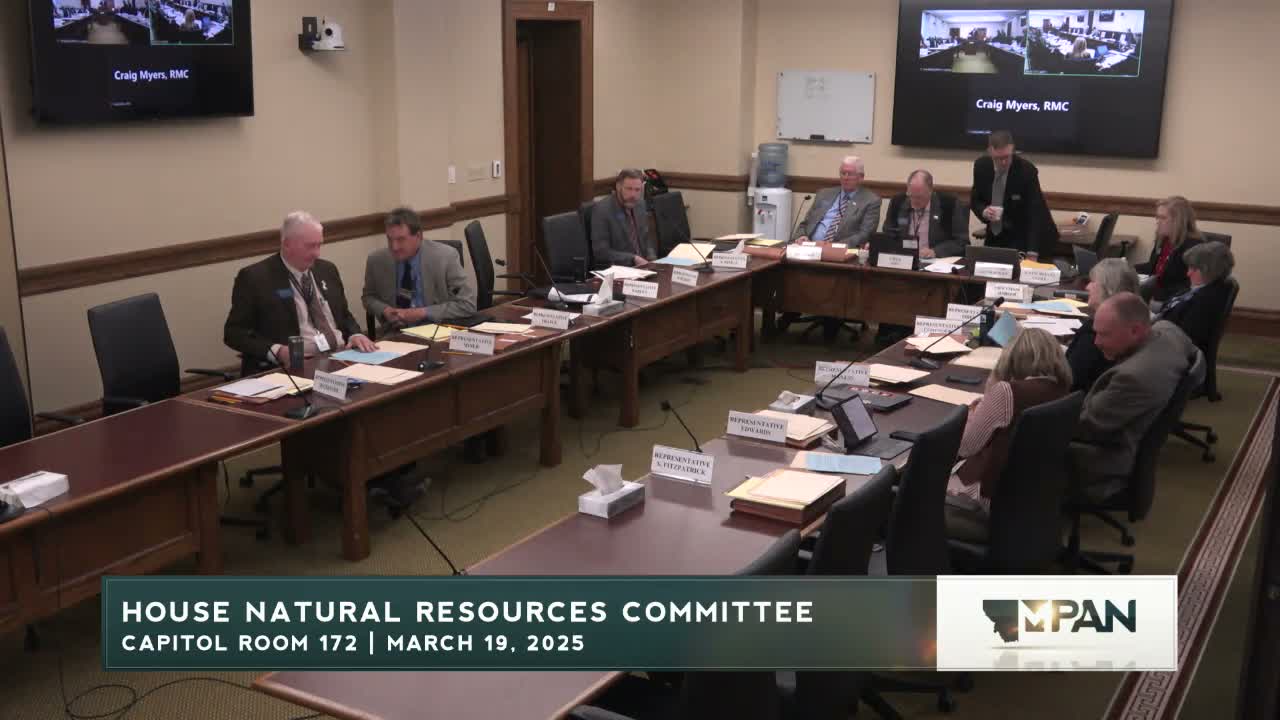
Committee members pressed DEQ on what the guidance would look like and whether the agency could calculate downstream emissions when needed. Director Nowakowski and Air Quality Bureau Chief Beau Wilkins said DEQ can calculate downstream emissions and that the guidance process is intended to set legally defensible sideboards for when and how much analysis is required. Several members suggested tribal consultation language might be added as the bill moves forward.
The hearing closed after extended questioning and testimony; committee members and the sponsor discussed whether to seek amendments to address tribal consultation and the boundary between direct and indirect impacts.