Get Full Government Meeting Transcripts, Videos, & Alerts Forever!
Get email alerts on the Water Infrastructure topic
No spam. Unsubscribe anytime.
Proposal to extend optional municipal hookup distance to 1,000 feet prompts debate over incentives and costs
Summary
HB629 would let subdivisions elect to connect to municipal water and sewer up to 1,000 feet away (up from 500) but would not require connection; supporters say it encourages hookups and denser development, opponents say it weakens incentives for cities to expand service and could shift costs.
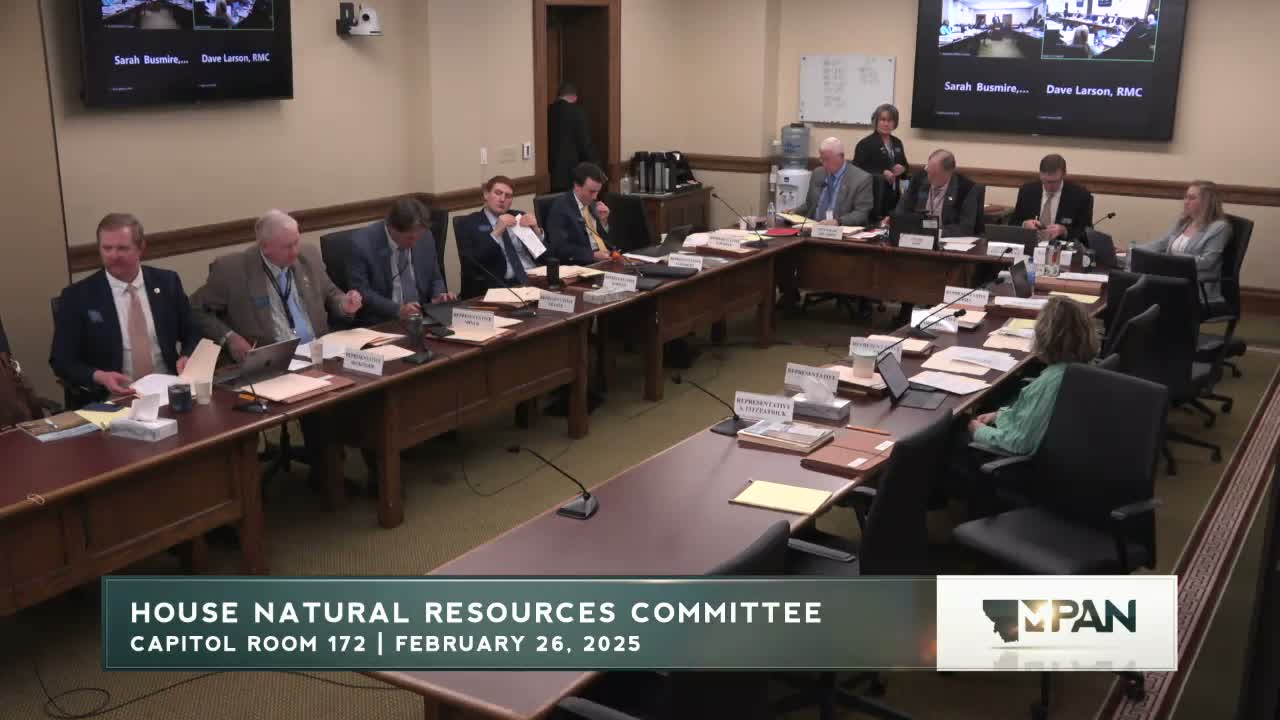
Representative Steve Fitzpatrick said House Bill 6 29 would extend the optional connection distance to municipal water and sewer from 500 to 1,000 feet, giving developers an option to hook into existing systems rather than installing septic tanks and wells and promoting denser, more affordable development.
Upper Missouri Waterkeeper and Montana Environmental Information Center voiced concern that making the connection optional at greater distance might reduce cities’ incentives to invest in infrastructure expansion and leave communities with weaker protections. Lindsey Krivaruchka, DEQ Water Quality Division Administrator, told the committee that capacity and water right requirements would still apply and that, in practice, developers typically pay the connection costs; she declined to speak for local sewer districts but noted that code and local practice generally place connection costs on the developer.
Committee members asked whether the bill would shift financial responsibility to municipalities or sewer districts; the sponsor and DEQ said the developer typically pays for connections and that permit and capacity rules remain in place. No floor vote occurred during the hearing.