Lifetime Citizen Portal Access — AI Briefings, Alerts & Unlimited Follows
Montana hearing on bill to require Legislature to approve greenhouse‑gas rules draws split testimony
Loading...
Summary
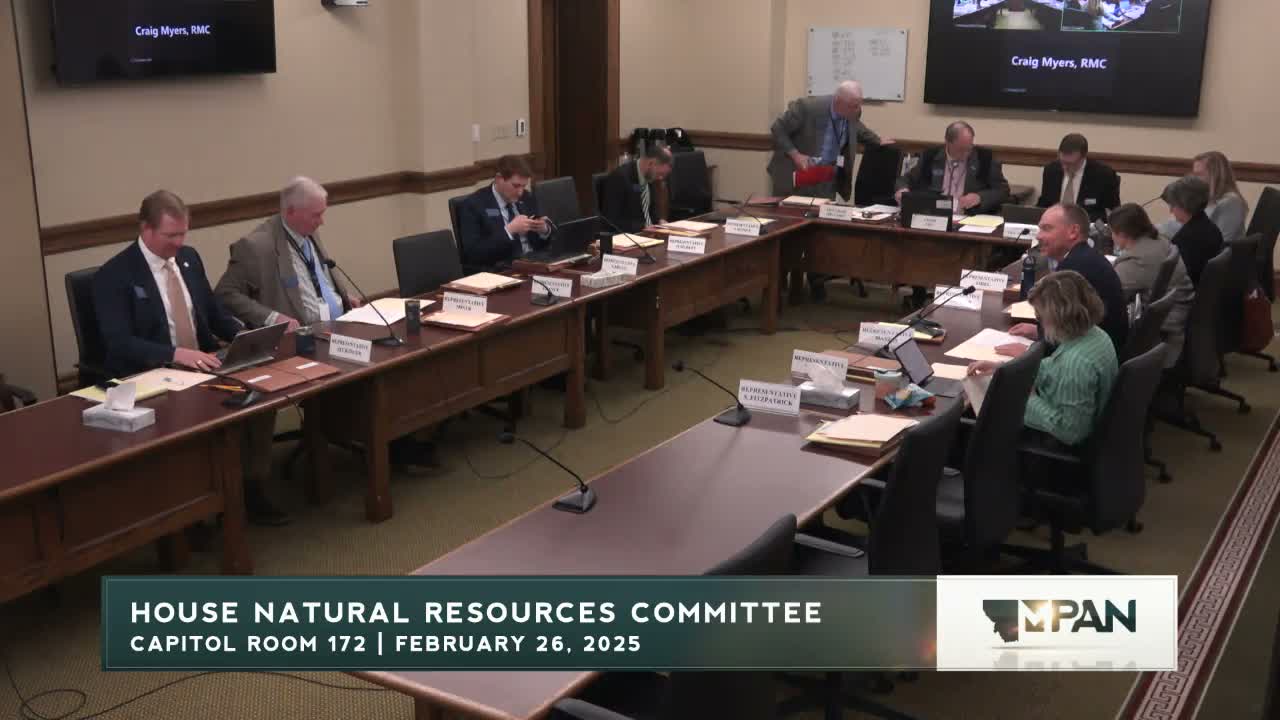
Rep. Curtis Schomer told the House Natural Resources Committee HB630 would force legislative approval of administrative rules on greenhouse gases and the social cost of carbon; environmental and climate groups warned the change would hamstring agencies and delay protections for public health and the environment.
Representative Curtis Schomer, sponsor of House Bill 6 30, told the House Natural Resources Committee that the measure would require the Legislature to approve administrative rules addressing greenhouse gas emissions and the social cost of carbon. "House Bill 6 30 is a tool to strengthen the power of the legislature," Schomer said, arguing agencies should not unilaterally adopt rules that carry the same force as laws.
Opponents countered that agencies have technical expertise and existing statutory authority to implement policies set by the Legislature. Derf Johnson of the Montana Environmental Information Center said the bill "creates more problems than it solves," warning it could leave the Department of Environmental Quality (DEQ) unable to meet its obligations and could conflict with ongoing Montana Environmental Policy Act (MEPA) work. Abbie (Abby) Huseth, Deputy Director of Climate Smart Missoula, told the committee HB630 would add "red tape and unnecessary delays" that would slow action to protect public health from climate impacts.
Director Sonya Nowakowski of DEQ and Ben Jones, administrator for the Board of Oil and Gas Conservation, appeared as informational witnesses. Nowakowski said DEQ would send any immediate regulatory changes to federal reviewers as required and noted the department has been using existing rulemaking and objection procedures. Committee members pressed the sponsor and witnesses on which specific boards and code sections would be affected; witnesses identified motor vehicle, the Public Service Commission, DEQ air quality, and the Board of Oil and Gas among those listed in the bill's codification instructions.
The hearing featured technical questions about implementation, federal approval where required, and the Montana Constitution’s allocation of duties to the Legislature and agencies. No final vote on HB630 was taken during the hearing; the committee closed the hearing after questioning and testimony.