Get Full Government Meeting Transcripts, Videos, & Alerts Forever!
Get email alerts on the Partisan School Board Elections topic
No spam. Unsubscribe anytime.
House hearing on bill to add party labels to school board ballots draws mixed testimony
Summary
Lawmakers heard conflicting testimony on House Bill 4,588, which would require party affiliation on local school board ballots; supporters said labels boost transparency and turnout, while opponents warned of increased politicization, reduced candidate diversity and legal limits on federal employees.
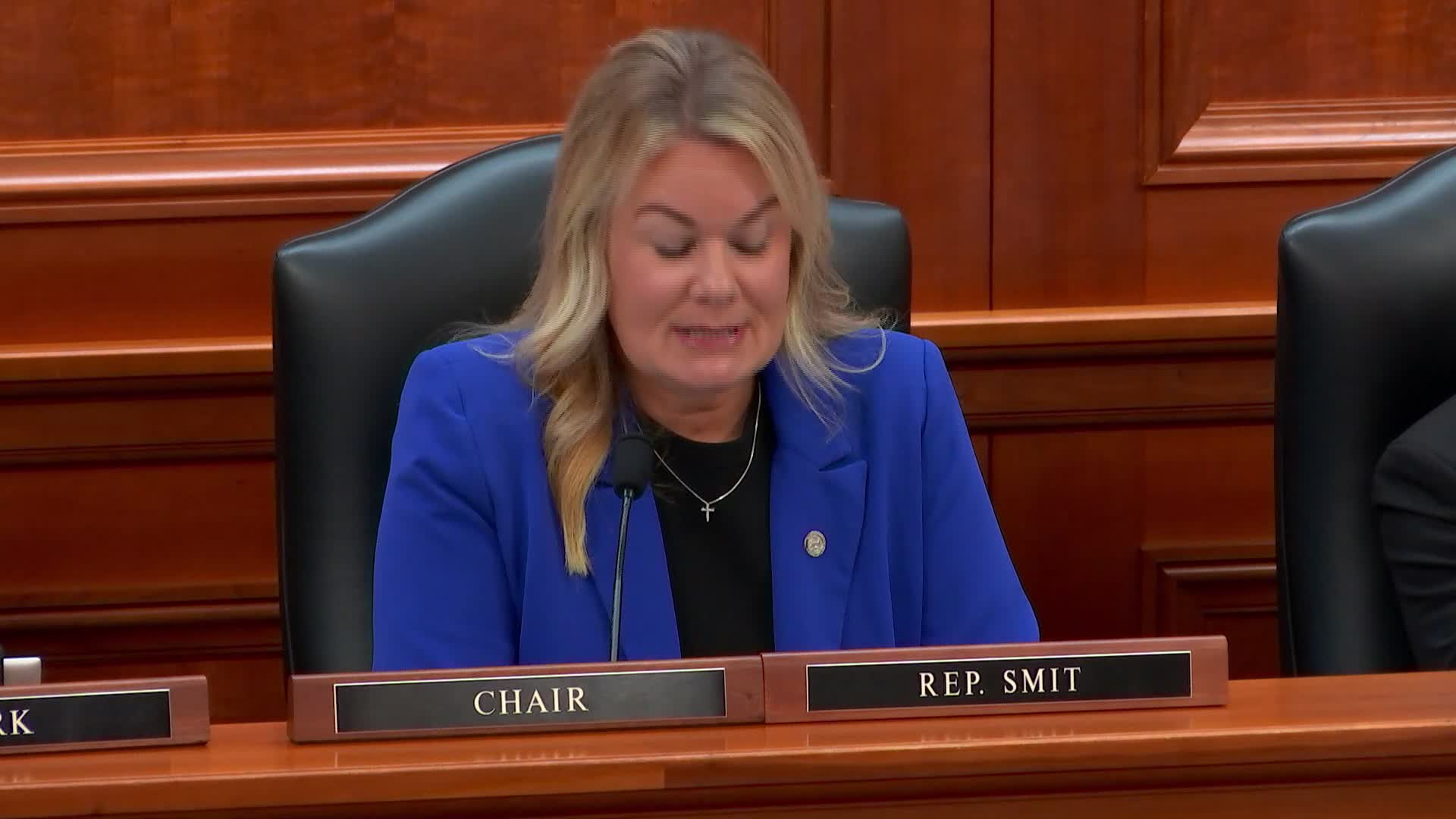
LANSING — The House Committee on Election Integrity on Thursday heard more than an hour of testimony on House Bill 4,588, a proposal to require candidates for local school boards to declare a party affiliation on the ballot. Supporters said party labels would give voters clear information and increase turnout; opponents said the change would inject partisan pressure into local governance and could exclude some prospective candidates.
Representative Wolford opened in support of the bill, saying party labels would make school board candidates’ values — on curriculum, parental rights and funding — visible to voters. "Candidates must declare whether they're a Republican or a Democrat or otherwise," Wolford told the committee, arguing that labels give voters "a clear signal" about priorities and would "bring voter turnout." He cited that nine states allow partisan school board races.
Greg Keller, treasurer of the Heartland Consolidated Schools Board of Education, also testified for the bill and offered a personal anecdote about a tied 2022 local race that was resolved by drawing names: "Lower participation also increases the likelihood of oversized influence from entities such as large employee unions," Keller said, arguing that party labels would provide clarity for voters.
Opponents included civil-rights, school-board and education groups. A witness identifying the American Civil Liberties Union of Michigan urged rejection, saying partisan school board elections "are a potential threat to the principles of equity and democratic participation," and pointing to research the group says links partisan local elections to reduced odds of nonwhite candidates winning, lower pupil spending and other harms. The witness also warned that the federal Hatch Act and Department of Defense guidance could bar certain federal employees and active-duty service members from seeking partisan office.
Katie Kavanaugh, a trustee on the Okemos Public Schools Board of Education, testified on behalf of her board in opposition: "A board of education works as a whole... requiring political affiliation for candidates and therefore trustees drags partisan politics... to the board table," she said, and urged lawmakers to focus on funding and school safety instead.
Jennifer Smith, director of government relations for the Michigan Association of School Boards, said the association’s members "do not see themselves as political people" and strongly oppose the bill because it would increase campaign costs, reduce candidate access and risk party influence over district decisions such as the hiring of superintendents.
Sherry Ritchie, representing Pure Integrity Michigan Elections, supported the measure and said it would "undoubtedly increase voting in this category," arguing partisan labels help voters down-ballot.
Committee members pressed witnesses about the statutory duties of school boards, whether partisan labels would shift key contests to lower-turnout partisan primaries, and whether making party affiliation explicit would make governance more or less stable. Several lawmakers, including Representative Wooden and Representative Outman, voiced concern that labels could increase polarization even as they acknowledged the current politicization of education.
No committee vote was taken on HB 4,588 at the hearing. After closing the record on testimony, the committee moved to other agenda items and reported three unrelated bills (HB 4,793; HB 4,794 as substituted; HB 4,795 as substituted) to the next stage with recommendations.