Get Full Government Meeting Transcripts, Videos, & Alerts Forever!
Get email alerts on the Voting Systems topic
No spam. Unsubscribe anytime.
Michigan bill would ban voting-system components from foreign companies on FCC watch list
Summary
Representative Smith introduced HB 4720 to bar new voting systems from including parts or equipment from foreign companies identified on the Federal Communications Commission—s watch list, arguing the step would protect election infrastructure; members raised questions about timing, supply chains and hand-count backups.
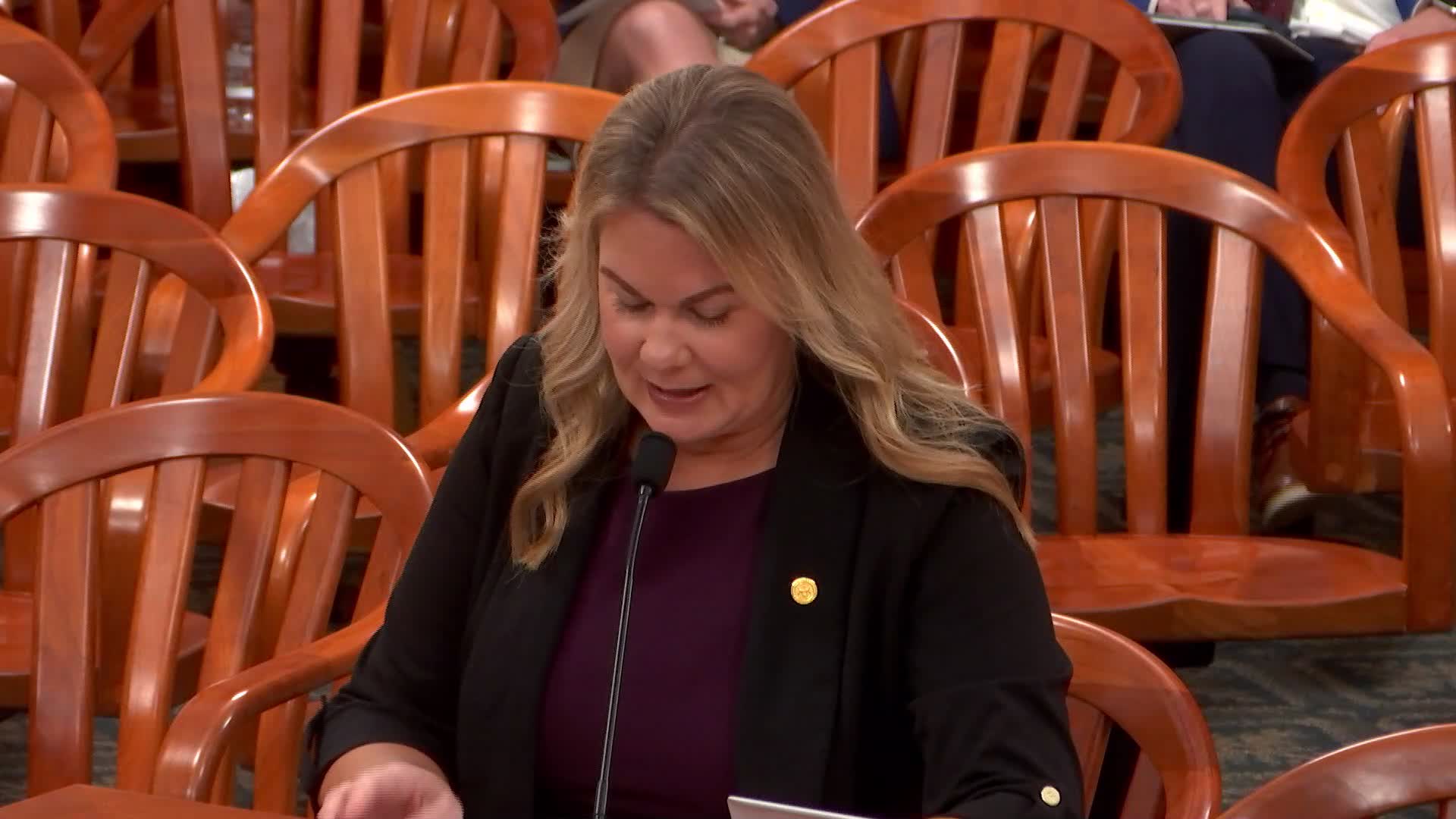
Representative Smith told the House Committee on Election Integrity that House Bill 47 20 would "prohibit new voting systems in our state from including any parts or equipment from foreign companies that would pose an unacceptable security risk," and that her measure would "use the FCC's list as a guide" for which companies to ban.
The bill, Smith said, would codify the FCC watch list into state law to "better protect our elections from foreign influence and interference," arguing that companies deemed national-security risks for communications equipment should also be treated as security risks for election equipment.
Committee members pressed the sponsor on operational and timing risks. Representative Wooden warned that the federal process for placing companies on the FCC-managed list "has no notice requirement or required review period," and said a designation shortly before an election could force jurisdictions to hand-count ballots. "In that situation, wouldn't that require jurisdiction to hand count those ballots?" Wooden asked; Smith replied "possibly," and said backups such as poll books and paper ballots exist to continue voting even if machines are taken out of service.
Members also questioned supply-chain implications and timelines: Representative Sibbet asked whether parts not available in the U.S. (steel, chips) could make compliance impractical; Smith said the bill would only target suppliers on the FCC-based list, not all foreign-made parts, and noted that Michigan will be acquiring new voting systems by 2027, which could lessen the problem if U.S.-sourced equipment is procured.
No formal vote on HB 47 20 was recorded in the hearing. Committee staff read additional testimony cards and Chair concluded the hearing without taking the legislation to a vote.
What happens next: The committee received testimony and questions; sponsors and staff signaled further work and follow-up would be required to address implementation timing and supply-chain concerns before the bill would proceed.