Get Full Government Meeting Transcripts, Videos, & Alerts Forever!
Get email alerts on the Housing Short Term Rentals topic
No spam. Unsubscribe anytime.
Committee refines short‑term rental rules, narrows 'primary residence' definition
Summary
Senators amended SB336 to change the definition of 'primary residence' from 183 days to seven months, added legal nonconforming status for licensed rentals that predate restrictions and rejected an amendment limiting adjacency rules; SB336 as amended passed the committee.
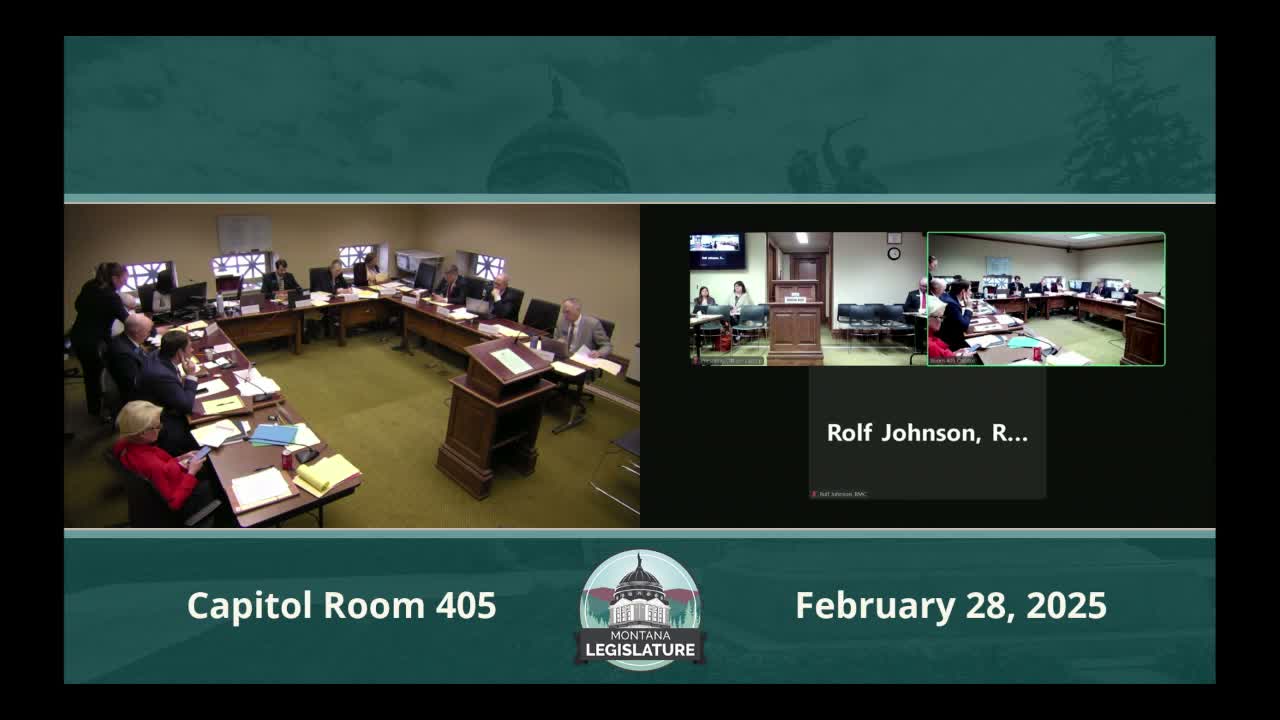
The Senate Local Government Committee amended and advanced SB336 on Feb. 28 after extended debate and two floor amendments that clarify which short‑term rentals local jurisdictions may restrict.
Senator Hertz described SB336 as a code‑cleaning measure to clarify local authority and definitions for short‑term rentals. Committee staff walked members through two primary amendments: one replaces an older 'property described' phrasing with an owner’s 'primary residence' language and another reduces the time threshold for a 'primary residence' from 183 days to seven months (effectively the same rule expressed as a calendar-month threshold). The amendment package also adds a provision that any short‑term rental that was in compliance with state licensing and taxing requirements at the time a later local restriction was adopted would be treated as a legal nonconforming use.
Senator Fern raised concerns about adjacency rules that could allow accessory dwelling units on the same parcel to qualify; he moved an amendment (SB336.001.001) intended to tighten adjacency language. Senator Hertz characterized that attempt as unfriendly and the committee defeated Fern’s roll‑call amendment (the transcript records a 4‑yes, 7‑no roll call on the amendment). Members discussed whether the revisions would increase short‑term rentals in a community; the sponsor said the bill simply protects certain existing rentals and clarifies local processes.
After debate the committee approved SB336 as amended and the bill was reported out of committee. Staff emphasized that the changes were collaboratively drafted with input from municipal representatives and other stakeholders; the committee did not adopt additional enforcement mechanisms beyond the statutory revisions.