Get Full Government Meeting Transcripts, Videos, & Alerts Forever!
Get email alerts on the Single Stair Reform topic
No spam. Unsubscribe anytime.
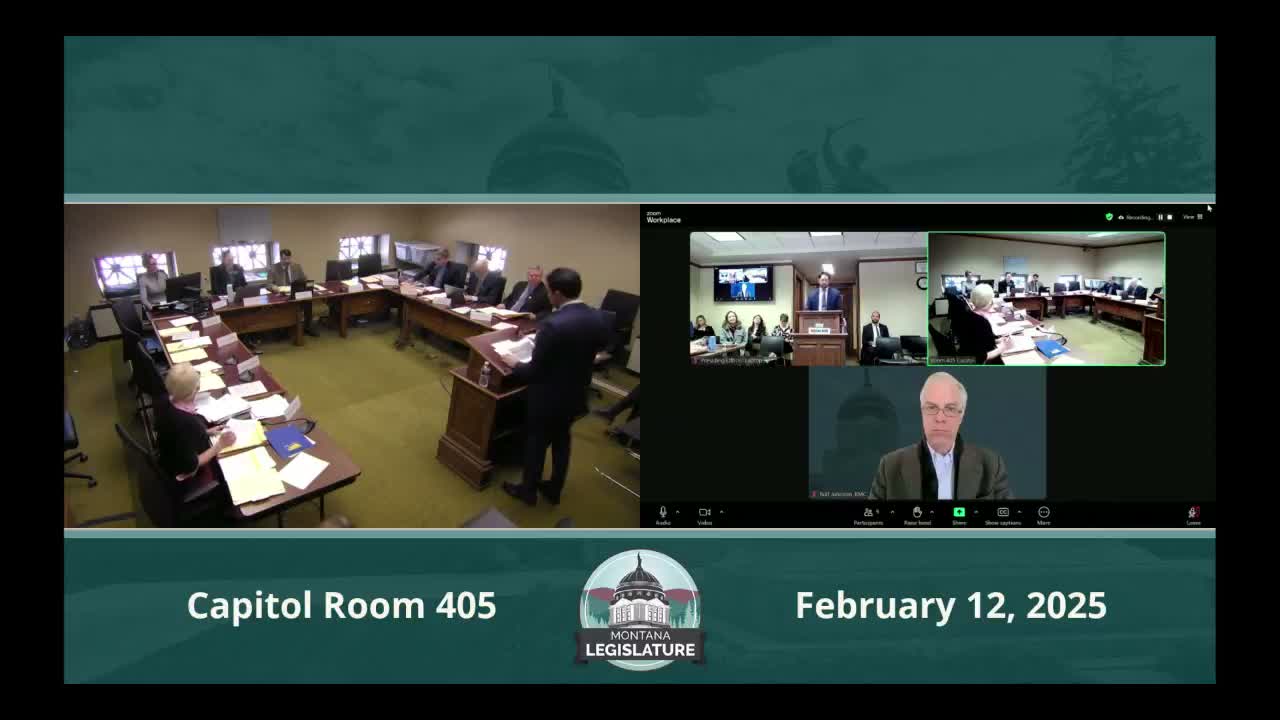
Senate committee hears bill to allow single‑stair apartment designs to reduce construction costs
Summary
Sponsor Daniel Zolnikoff told the Senate Local Government Committee SB 213 would let controlled single‑stair configurations for multifamily buildings reduce construction costs while proponents said sprinklers and modern materials maintain safety. Fire officials opposed the measure, citing rescue and egress concerns for taller buildings.
Senator Daniel Zolnikoff introduced Senate Bill 213 to the Senate Local Government Committee, saying the measure would permit single‑stair configurations for certain multifamily buildings under controlled safety conditions to cut construction costs and increase housing supply. “This is a housing concept that shows a lower cost for developments…very similar safety standards,” Zolnikoff said, and provided example figures for a six‑story building where two staircases cost roughly $3,000,000 and a single‑stair option costs $2.6–$2.8 million.
Proponents told the committee the change is intended to preserve essential life‑safety features while reducing redundant space. Jake Brown of Shelter Whitefish said allowing a single stairwell “under controlled conditions…is just gonna reduce the building construction complexity and building costs while preserving critical safety mechanisms.” Kelly Lynch, executive director of the Montana League of Cities and Towns, and representatives of the Montana architects and the Institute for Justice also supported the bill, arguing modern sprinklers and materials reduce historic egress risks and that the reform would help make infill and missing‑middle housing financially viable.
Opponents from the fire service pushed back on safety grounds. Missoula Fire Marshal Dax Frazer said escape windows and ground‑ladder rescues are suitable only up to about three stories and that, at six stories, aerial rescue options are limited and not a reliable substitute for a second means of egress. Mike McIntosh, assistant chief of prevention for Great Falls Fire Rescue, added that a committee of the International Building Code egress panel had voted not to adopt similar language for the 2027 IBC and warned single‑egress designs create pinch points in emergencies.
Eric Copeland, Bureau Chief for Building Codes and Commercial Measurements at the Department of Labor and Industry, answered committee questions about how Montana adopts national model codes. Copeland said state law directs the Department to adopt a code that balances modern materials and construction methods with reasonable health and safety, and that Montana can modify nationally recognized standards where they conflict with state law or rule.
The hearing included back‑and‑forth on how code adoption and committee processes interrelate and whether single‑stair allowances would conflict with forthcoming International Building Code updates. Zolnikoff closed by citing international examples and proposing a four‑word clarifying amendment to ensure a single stair meets every unit; the committee closed the hearing without immediate action and scheduled further work as part of committee business.