Get Full Government Meeting Transcripts, Videos, & Alerts Forever!
Get email alerts on the Housing Policy topic
No spam. Unsubscribe anytime.
Sen. Greg Hertz backs shorter limitation window for construction defect claims in SB 143
Summary
Senator Greg Hertz introduced SB 143 to reduce certain construction‑related limitation periods from 10 (and some contract periods at 8) to six years, with proponents saying shorter windows reduce insurance costs and encourage condo and housing development; committee heard only proponents and raised clarifying questions; no vote was taken.
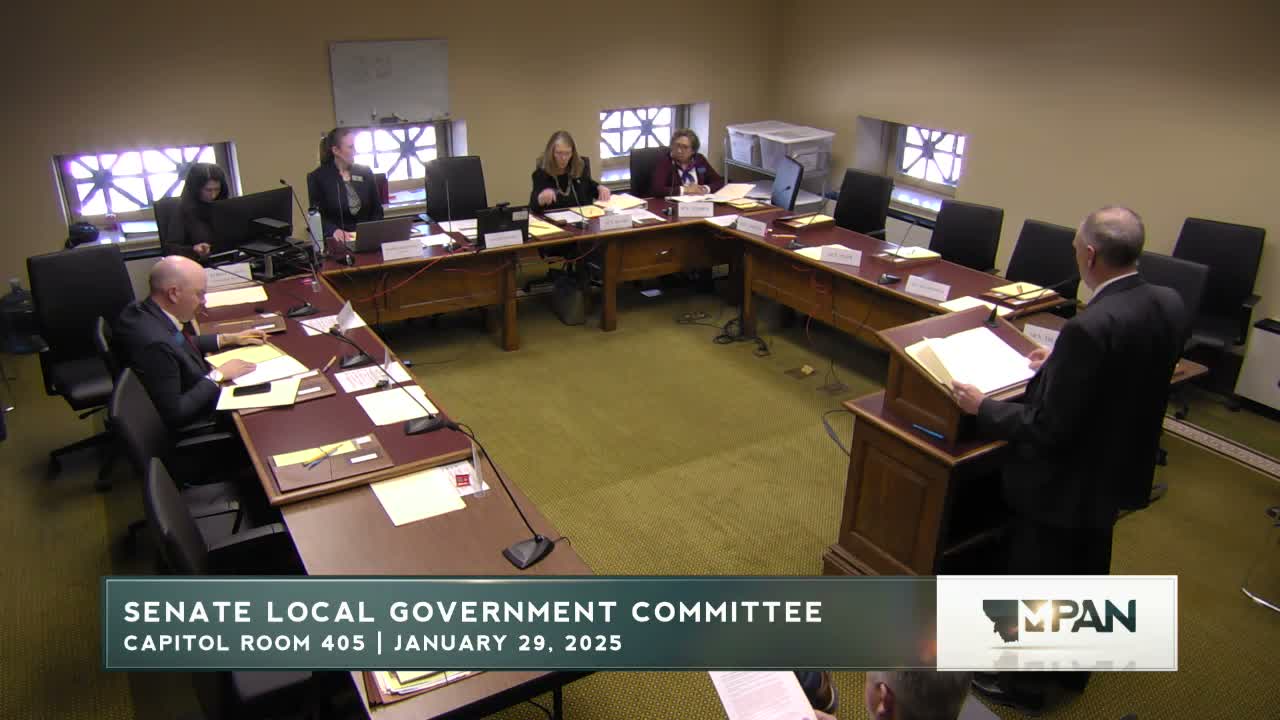
Senator Greg Hertz, sponsor of Senate Bill 143, told the Senate Local Government Committee the bill would shorten some Montana limitation periods for claims arising from work on real property and land surveying to six years, saying the change would lower liability insurance costs and help make housing — particularly condos — more affordable.
Hertz said the proposal came from the governor’s housing task force and explicitly targets section 2 of the bill, which addresses actions for damages arising out of improvements to real property and land surveying. He told the committee that surrounding states commonly use four‑to‑six year windows and that reducing the state’s 10‑year period would bring Montana closer to peer states.
Proponents who spoke for the bill described practical benefits. Dan Stusek, representing a Montana defense attorneys group, said shortening limitation windows reduces how long businesses must retain records and eases concerns about personnel turnover and fading memories. “Shortening the statute of limitations reduces the amount of time businesses need to store documentation and lessens concerns about employees leaving and memories fading,” Stusek said.
A housing advocate who identified himself as Jake Brown called the proposal an important tool to address underproduction of housing and said shorter liability windows would reduce developer risk, encouraging more condo construction — frequently an entry point to homeownership. Rhonda Wiggers of the National Federation of Independent Business said the change would benefit small construction firms that face high turnover and long liability exposure.
Vice Chair Weber asked a technical question about whether the bill’s damages provision applies to improvements and surveying; Hertz confirmed that section 2 covers damages arising from work on improvements and land surveying. No opponents testified, and no informational witnesses were offered. After brief committee questions, Hertz closed, and the chair ended the hearing. There was no committee vote recorded at the hearing.
The hearing record shows proponents from professional, business and housing advocacy groups and limited committee technical questioning; the sponsor asked the committee to give the bill a due pass and the committee proceeded to the next scheduled bill.