Get Full Government Meeting Transcripts, Videos, & Alerts Forever!
Get email alerts on the Tribal Relations topic
No spam. Unsubscribe anytime.
Committee hears measure to add optional tribal‑state relations training for legislators
Summary
Senators heard testimony supporting Senate Bill 311, which would task Legislative Services with making optional training on tribal‑state relations available to legislators; proponents said the training would reduce misunderstandings and costly litigation, while some senators worried about nonpartisan staff being placed in advocacy roles.
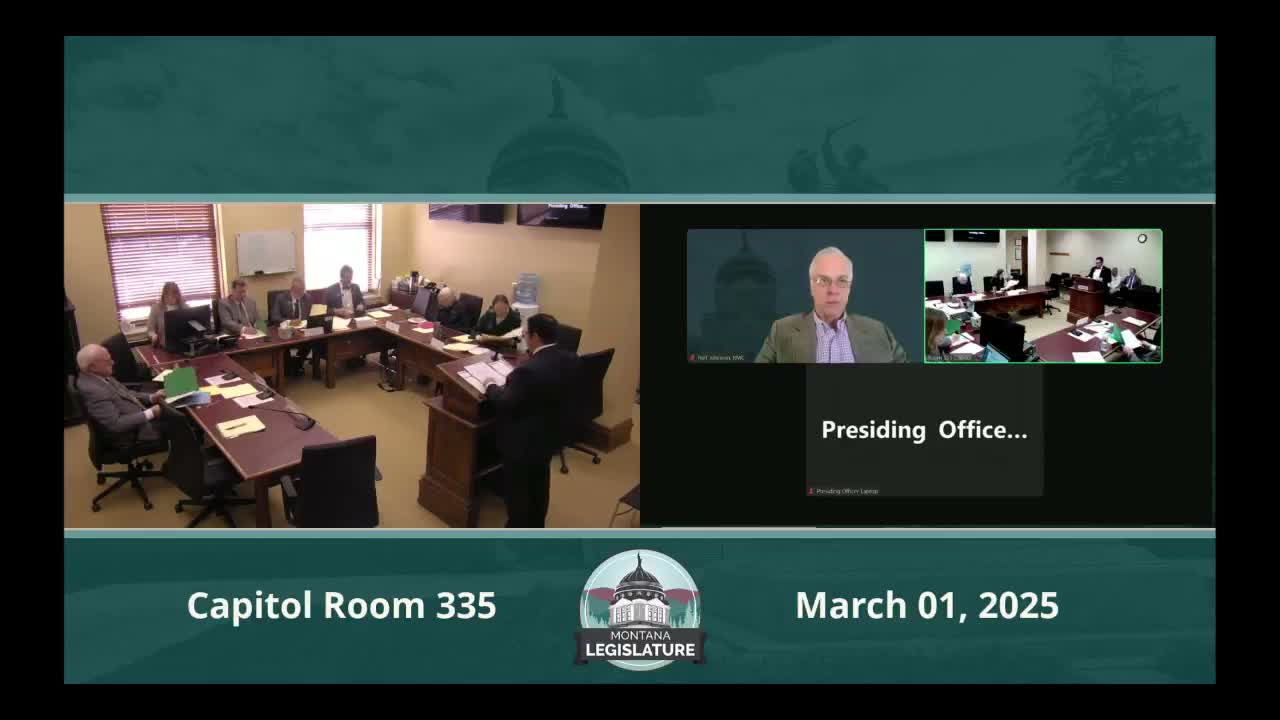
The Legislative Administration Committee heard and closed testimony on Senate Bill 311, a proposal to make state‑tribal relations an optional part of training offered to legislators.
Sponsor Senator Shane Morgeau described SB 311 as "vanilla" and voluntary: the bill would add tribal‑state relations to the list of optional trainings provided by Legislative Services so legislators could learn about tribal sovereignty, treaties, partnerships and practical cooperation. "If you wanna come and make that part of the information base for the upcoming legislature, you can get that information," the sponsor said.
Proponents including Patrick Yawakie, representing the Blackfeet, Fort Belknap and Rocky Boy communities, urged a due pass, telling senators that prior misunderstandings around Indian policy can generate litigation and that earlier education would save taxpayer dollars and produce better drafting and collaboration. "Senate Bill 311 is an excellent opportunity to build on state‑tribal relations to ensure ... the legislature has a foundation of understanding to make educated decisions," the proponent said.
Some senators raised concerns about asking nonpartisan legislative staff to present social, economic and cultural material that could be perceived as advocacy. Sponsor and staff responded that the training would be factual, grounded in an existing Tribal‑State Relations handbook and coordinated with the Director of Indian Affairs and Indian law programs; staff said they would invite subject‑matter experts as needed. The sponsor urged members that the training is voluntary and could be trimmed to a single statutory line if members prefer a narrower mandate.
The committee closed the hearing; the sponsor and legislative staff agreed to consult further on details and possible amendments before any executive action.