Get Full Government Meeting Transcripts, Videos, & Alerts Forever!
Get email alerts on the Cannabis Cultivation Regulation topic
No spam. Unsubscribe anytime.
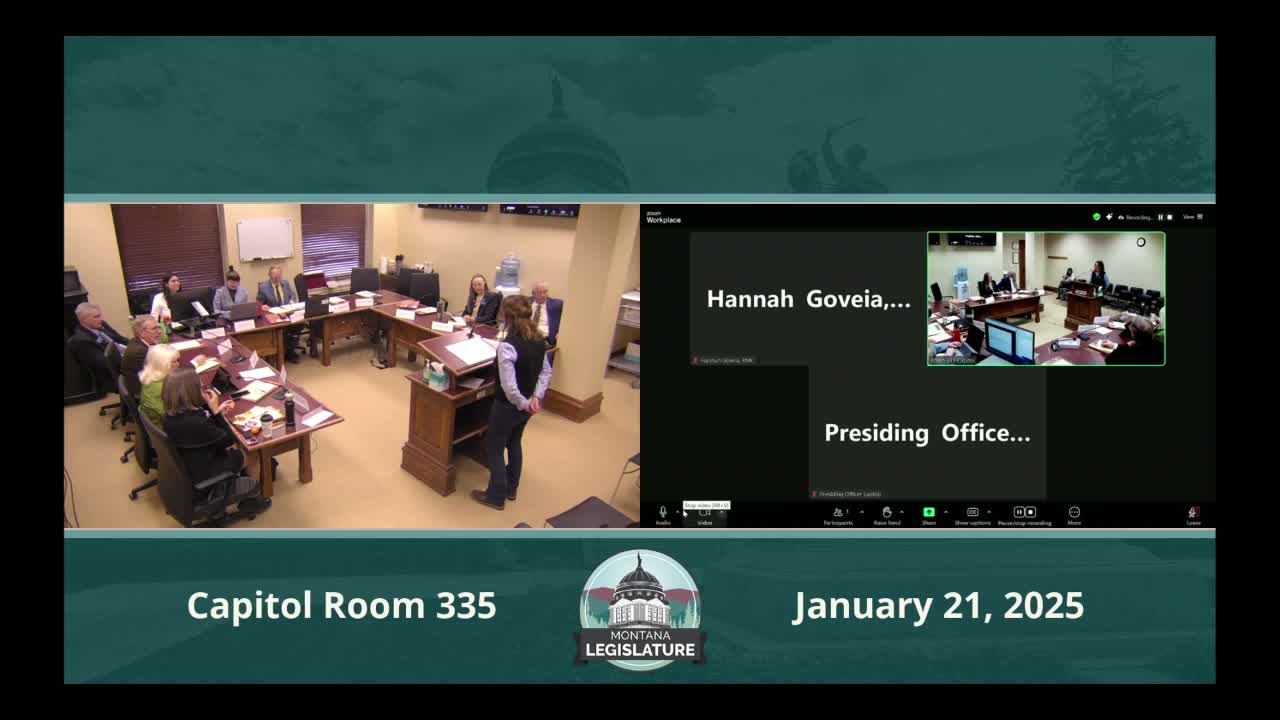
Sacred Sun Farms CEO tells Senate committee of cultivation practices, testing and asks support for cannabis bills
Summary
Antoinette Lininger of Sacred Sun Farms described greenhouse cultivation, Metrc 'seed‑to‑sale' tracking, testing protocols and anecdotal patient benefits; she asked senators to support four interim committee bills (HB 49, SB 27, SB 74, SJR 5).
Antoinette Lininger, cofounder and CEO of Sacred Sun Farms, told the Agriculture, Livestock and Irrigation Committee about 13 years of cannabis cultivation experience and urged support for interim committee‑draft bills that would affect the regulated market.
Lininger described her farm’s greenhouse cultivation using living soil and Montana‑grown amendments, the industry’s Metrc seed‑to‑sale tracking system, and required laboratory testing. She said Metrc tracks individual plants and packages, staff video and transaction records are retained, and testing and disposal records are part of routine compliance: harvest batches are sampled at five‑pound intervals, video in plant/product areas is kept for 60 days, and waste‑disposal recordings are retained for 30 days.
She told senators she employs about 36 people at peak season and described cultivation cycles: transplants and a vegetative phase followed by light deprivation to induce flowering, with an average 9–10 weeks to produce ripe flowers and multiple testing steps before sale. Lininger highlighted product safety measures (testing for mycotoxins, pesticides, residual solvents and cannabinoids) and said failed tests prevent sale or transfer in Metrc.
Lininger relayed several anecdotal medical claims — including a person who reduced prescription medications and another she said became seizure‑free after using cannabis — and framed those as part of why she supports regulatory bills. She asked the committee to support work on House Bill 49, Senate Bill 27, Senate Bill 74 and Senate Joint Resolution 5, which were drafted after discussions between the Economic Affairs Interim Committee and the Cannabis Control Division.
Committee members asked brief technical follow-ups about hemp, cross‑pollination and processing infrastructure; Lininger said hemp is a form of cannabis, confirmed pollen risks from rogue males, and praised recent processing developments in Fort Benton. The committee thanked Lininger for the presentation; no formal action was taken.