Get Full Government Meeting Transcripts, Videos, & Alerts Forever!
Get email alerts on the Governance topic
No spam. Unsubscribe anytime.
Fullerton council opens study of charter‑city option after heated public comment; motion to continue outreach passes 3–2
Summary
After hours of public testimony — largely opposed — the council voted 3–2 to continue studying a potential move to charter‑city status and to direct staff to develop further outreach and process options for later council review.
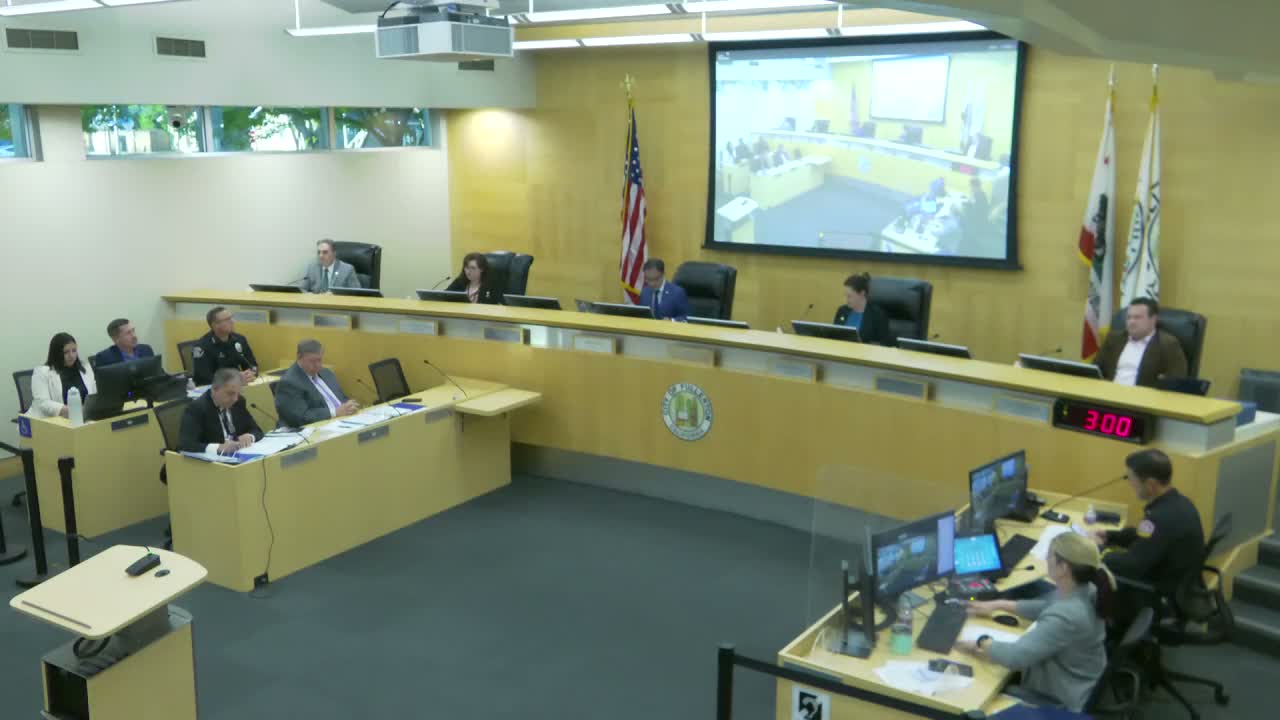
The Fullerton City Council on May 13 held an extended study session on whether to pursue a charter‑city process, receiving more than a dozen public speakers who overwhelmingly urged restraint or rejection of a charter approach because of concerns about transparency, cost and potential consolidation of power.
City staff and the city attorney outlined the mechanics and legal limits of a charter city: a charter is a locally drafted document that can change municipal rules on matters not of statewide concern, but it cannot override federal law and is limited where the state has preemptive authority. The city attorney cautioned that while a charter can create local controls over contracting and elections, it can also expose a city to more legal risk if the city elects to challenge state law.
Many speakers in the chambers and on Zoom criticized the timing and motive for pursuing a charter, given the city’s pending budget shortfall and recent controversies at council meetings. "This effort to move Fullerton to a charter city status is not a public priority and it's not fiscally responsible," one public speaker said. Several commenters cited the litigation and costs in Huntington Beach as an example of the potential pitfalls of a charter approach.
Councilmembers were divided. Some members said exploring a charter is a legitimate way to seek more local control over bidding, contracting, election timing and other municipal rules. Others said the city lacks public trust and staff capacity to pursue a potentially expensive and contentious process now. After discussion, Councilmember Nick Dunlap moved a substitute motion asking staff to continue public engagement and bring back more detailed options and materials; the motion passed 3–2 (Dunlap Aye, Valencia Yes, Zara No, Mayor Pro Tem Charles No, Mayor Jung Aye).
The council did not place a charter measure on a ballot and made no decision on the specifics of any charter language. Staff said the council would need to vote later to place any charter on a general election ballot and that a council‑led charter process typically takes 12–18 months of public outreach, drafting and hearings.
What’s next: staff will design a public engagement plan and return to council with options for how a charter process could be structured (council‑drafted charter, charter commission, or citizens’ initiative), timing implications and estimated costs, for further council consideration and possible public hearings.