Get Full Government Meeting Transcripts, Videos, & Alerts Forever!
Get email alerts on the Petroleum Cleanup topic
No spam. Unsubscribe anytime.
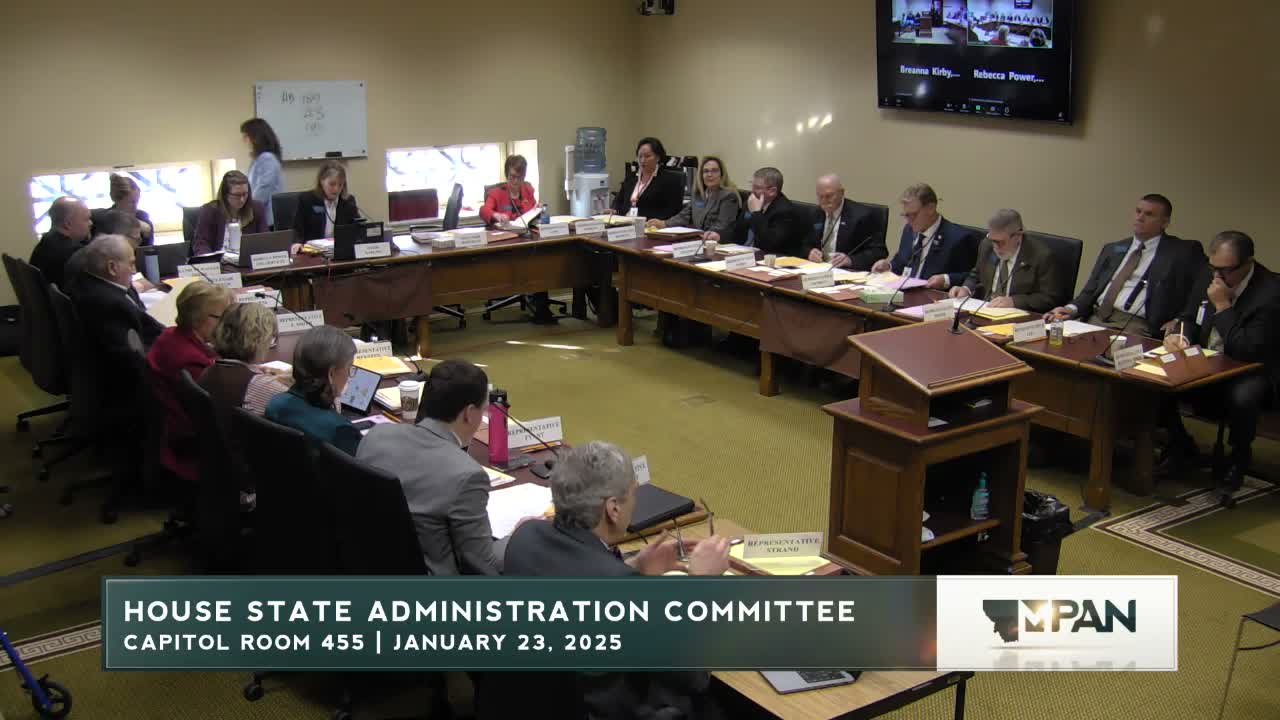
Committee hears bill to expand eligibility for petroleum tank cleanup fund
Summary
A bill that would move the eligibility discovery date for Montana’s Petroleum Tank Release Cleanup Fund from April 13, 1989, to Jan. 1, 1984, drew proponents including small-business owners and DEQ. Supporters said the change would let roughly 20 legacy releases become eligible for reimbursements and speed cleanup.
Representative Marta Bertolio introduced House Bill 189, saying the measure would change the discovery-date cutoff that determines which petroleum storage-tank releases qualify for the Petroleum Tank Release Cleanup Fund. The bill would move the qualifying discovery date from April 13, 1989, back to Jan. 1, 1984, a change sponsors say would allow legacy releases discovered in the mid-1980s to access state-funded remediation.
Why it matters: The Petroleum Tank Release Cleanup Fund was set up to reimburse tank owners for required corrective actions and to reduce the backlog of unresolved releases. Proponents said some contaminated sites discovered before 1989 have been stuck in limbo because they fell outside the statutory eligibility date, leaving owners to pay large cleanup bills themselves.
David Hunter, who testified as co-owner of the Montana City store, described his store’s two releases and said "we're paying half of the cost" because one release predates the current eligibility date. He told the committee that eligibility under HB189 would "provide the coverage from the petroleum board which would give a potential buyer the assurance" needed to sell the property.
Amy Steinmetz, Waste Management and Remediation Division Administrator at the Department of Environmental Quality, said DEQ stands in support of HB189 and that the Department and the Petroleum Tank Release Compensation Board estimate about 20 open releases discovered between 1984 and 1989 could become eligible if the bill passes. That, she said, would "reduce the backlog of open petroleum releases."
Terry Wadsworth, executive director of the Petroleum Tank Release Compensation Board, appeared as an informational witness and explained the 1989 date corresponds to when the law took effect; Representative Bertolio selected 1984 as an earlier regulatory pivot point. Wadsworth told members the fund balance is about $6.5 million and gave a round estimate of cleanup costs at roughly $100,000 per release, noting the exact averages vary between closed and open sites.
Committee concerns focused on eligibility boundaries and institutional limits: Representative Byrne asked whether federal facilities such as Malmstrom Air Force Base would qualify; Wadsworth said federal facilities are likely ineligible under the board’s eligibility process. Other members pressed staff on how the list of affected releases was compiled and whether moving the date would create unanticipated cost obligations.
Representative Bertolio closed by urging the committee to pass HB189 to allow legacy sites to be cleaned up and safe for future generations; no executive action on HB189 was taken during this meeting.
Next steps: HB189 was presented and heard in committee; the sponsor asked for a do-pass recommendation, and the committee will consider executive action at a later time.