Get Full Government Meeting Transcripts, Videos, & Alerts Forever!
Get email alerts on the Short Term Rentals topic
No spam. Unsubscribe anytime.
Short‑term rentals split committee as owners cite lifelines and cities warn of housing loss
Summary
Sen. Greg Hertz’s SB 336 would classify short‑term rentals as residential uses and allow primary‑residence rentals and certain adjacent units while preserving grandfathered licensed operations; thousands testified on both sides, with owners saying STR income is essential and hotels, planners and cities warning the bill would undermine local zoning and reduce long‑term housing supply.
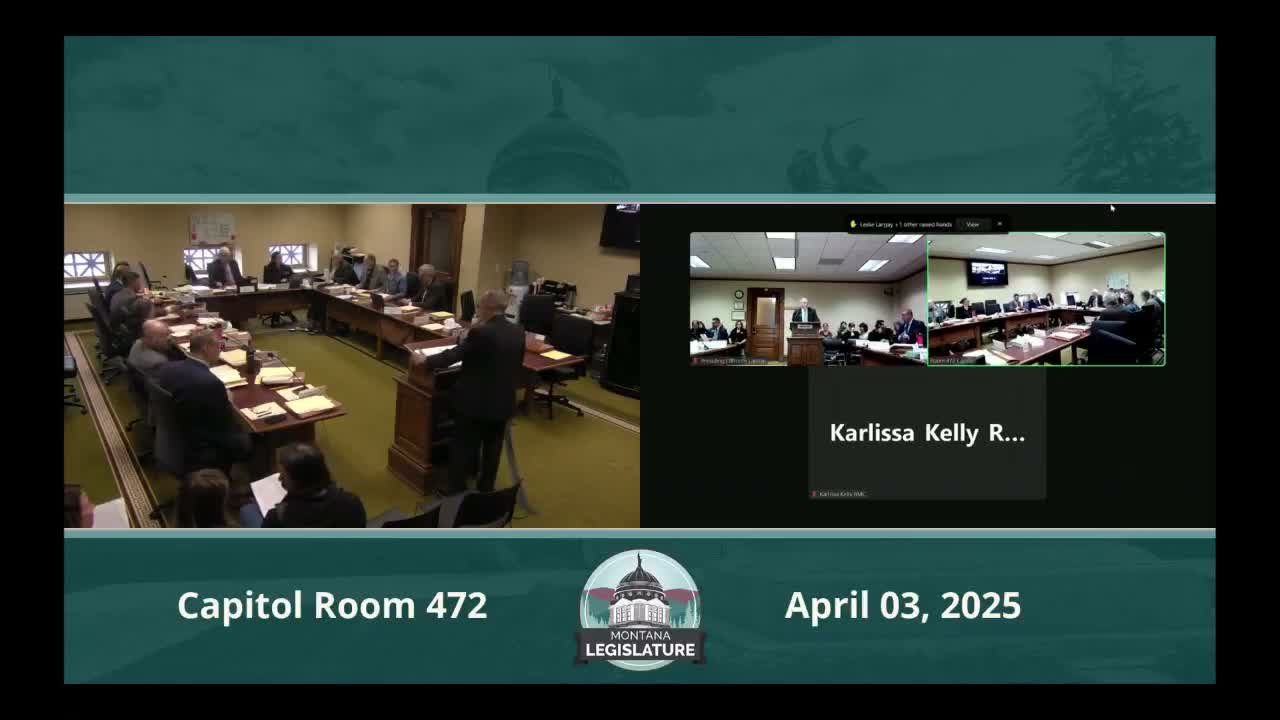
Sen. Greg Hertz opened the hearing on SB 336 by saying the bill defines short‑term rentals as a residential use so owners who rent their primary residences are not treated as commercial operators. The bill would allow primary‑residence rentals and certain adjacent dwellings, require compliance with state licensing and lodging‑tax requirements, and create rules for when local jurisdictions may restrict or prohibit STRs.
Proponents, many of them homeowners who rely on rental income, described STRs as a financial lifeline that keeps families in Montana and supports local businesses. Multiple witnesses said the legislation would protect seniors and single parents who rent part of their homes to cover property taxes; several graphically described the risk of having to sell if rental income is lost.
Opponents — including the hotel industry, municipal officials and planning associations — said STRs function as commercial lodging, can remove long‑term housing from the market, and should remain subject to local zoning. They stressed that commercial STR operations often lack on‑site management and that local governments have developed tailored rules (licenses, capacity, exclusive‑use fees) to address impacts.
Committee members asked detailed questions about grandfathering of existing licensed STRs, whether rights attach to the property or the owner, the bill’s interaction with HOA covenants, and how the state would verify lodging‑tax compliance. Sponsor Hertz said the bill aims to protect homeowners while allowing local regulation where expressly adopted, with grandfathering for lawful existing operators and licensing and tax obligations still enforced.
Testimony was extensive and sharply divided; the committee did not take immediate action. Sponsors and opponents agreed more drafting work was needed to reconcile property‑rights concerns with community housing and local zoning objectives.