Get Full Government Meeting Transcripts, Videos, & Alerts Forever!
Get email alerts on the HOA Voting Rights topic
No spam. Unsubscribe anytime.
Bill aims to give property owners a vote when HOA covenants change
Summary
Sen. Ken Bogner’s SB 400 would require notice and an opportunity to vote before amending covenants (CCRs) and provide a path to amend documents that lack amendment language; proponents described harassment and secrecy in HOAs, while cities and some members raised turnout and quorum concerns.
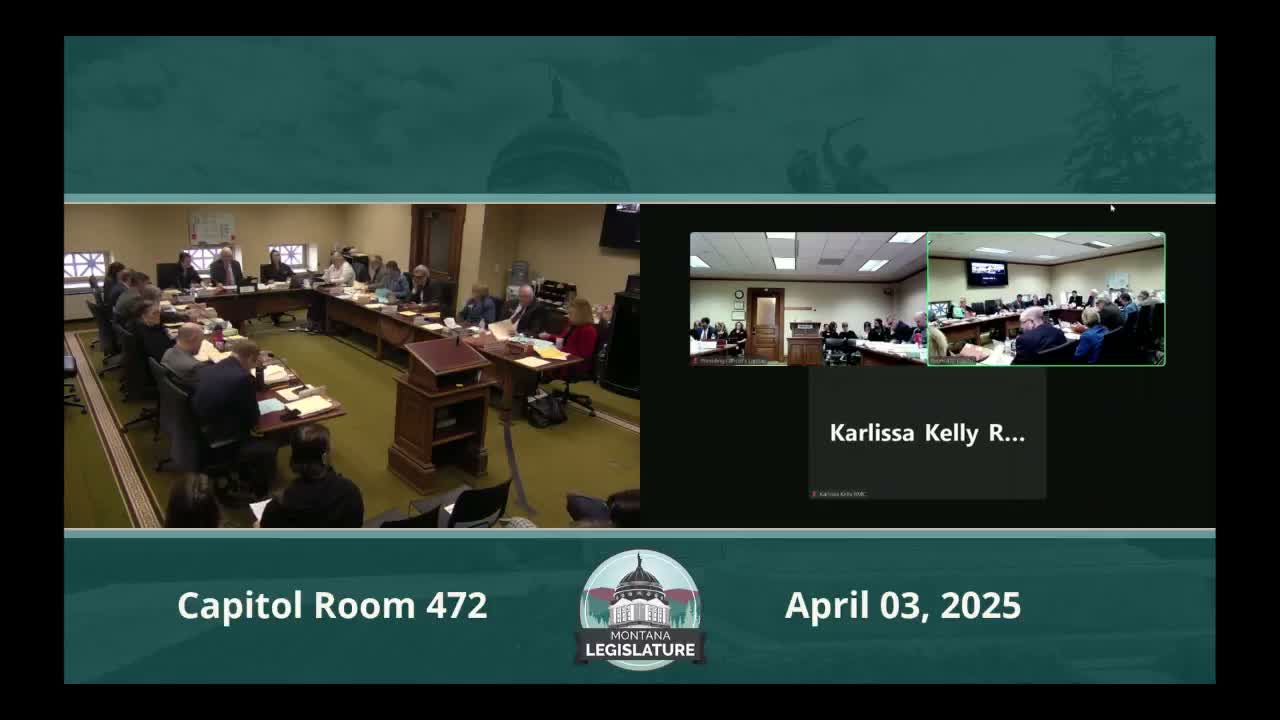
Senator Ken Bogner told the Senate Local Government Committee that Senate Bill 400 is designed to make homeowners aware of and able to vote on changes to covenants, conditions and restrictions (CCRs) and easements that affect property rights.
‘‘Section 1 provides that CCRs may not be amended unless all owners have the opportunity to vote,’’ Bogner said, and he walked committee members through provisions permitting voting on amendments when governing documents lack amendment language and protecting voting rights for owners otherwise excluded from association decisionmaking.
Multiple homeowners and attorneys testified in support. Attorney Stephanie Baucus said the bill would supply ‘‘basic due process’’ by ensuring notice and a voting opportunity and by providing a method to amend covenants that currently require unanimous consent. Homeowners told the committee of board members who had allegedly used positions to harass neighbors, block votes, or pursue litigation without homeowner notice.
Opponents and municipal representatives raised concerns. Kelly Lynch, executive director of the Montana League of Cities and Towns, said the bill’s language could be vague and may limit cities’ ability to regulate; other lawmakers warned that the bill’s default voting threshold — a majority of those voting — could allow significant changes when only a small share of owners attend meetings. Sponsor Bogner said the bill’s key protection is notice and that he was open to amendments to ensure intent and prevent unintended consequences.
Committee members sought clarification about quorum and asked whether the bill would make it too difficult to pass needed changes given low turnout at some HOA meetings; the sponsor replied that the bill sets a minimum (majority of voters present) but does not preclude higher thresholds.
The hearing closed with the sponsor indicating willingness to work on amendments to address committee questions. Committee action on the bill was not recorded during the session.